
Livraison le jour même ou le lendemain

Qualité garantie

Débloquez vos offres de bienvenue: Livraison GRATUITE | Jusqu'à -80 % | 30 jours d'essai gratuits à JoyPlus
Téléchargez l'application
An ergonomic cervical pillow is about more than just a particular shape or a promise printed on the packaging. Its height, firmness, quality of support and how easy it is to care for all have a direct impact on your everyday comfort. A model designed for a long journey won’t necessarily meet the needs of someone who sleeps on their side, nor those of a camper looking for a compact cushion.
Before you place an order, it’s worth keeping an eye out for three classic pitfalls: imprecise dimensions, support that doesn’t match your sleeping position, and materials that are a pain to clean.
A tiny travel pillow slips easily into a bag, but it may lack support once inflated or compressed. Conversely, a cushion that’s too bulky quickly becomes difficult to stow on a train, plane or in a car. Check the stated dimensions and, for an inflatable model, make sure the pressure can be adjusted.
A pillow that’s too thick can push your head forward. One that’s too thin risks leaving your neck unsupported. For a cervical pillow for side sleeping, the width of your shoulders and the gap between your head and the mattress are key. A stated height of 8 cm gives you a starting point for comparison, but it alone doesn’t guarantee comfort for everyone.
Memory foam generally can’t be machine washed. A removable cover is therefore a real bonus when the manufacturer includes one. With an inflatable cushion, keep an eye on the valve and keep it away from surfaces that could puncture it. A material that feels nice at first can quickly become a hassle if cleaning and storage turn into a chore.
A U-shaped cervical cushion is well suited to journeys in a seated position: it partially surrounds the neck and limits lateral movement. For sleeping, an ergonomic shape with a recessed central area and thicker edges will often work better for people who sleep on their back or side.
A car headrest cushion also needs to fit the seat. Models with an adjustable strap are generally easier to install on the headrest posts.
Memory foam gradually moulds to the contours of your head and neck. It suits people who want consistent support, but it’s often heavier and less portable than an inflatable pillow.
Inflatable PVC offers lightness and a small packed size. On the downside, you need to keep it away from sharp objects and monitor the air pressure. For camping, a foam with quick-rebound properties inside a durable cover can offer a good compromise between comfort, storage and versatility.
Always compare the dimensions of the cushion when unfolded and folded. At 100 g, like some inflatable models, a pillow can be carried in a bag without any trouble. A larger model can also double as lumbar support or an extra backrest.
For care, go for a removable, washable cover, a surface that can be wiped clean with a damp cloth, and instructions that are clear enough. Products containing foam usually need to be aired after unpacking, in line with the manufacturer’s recommendations.
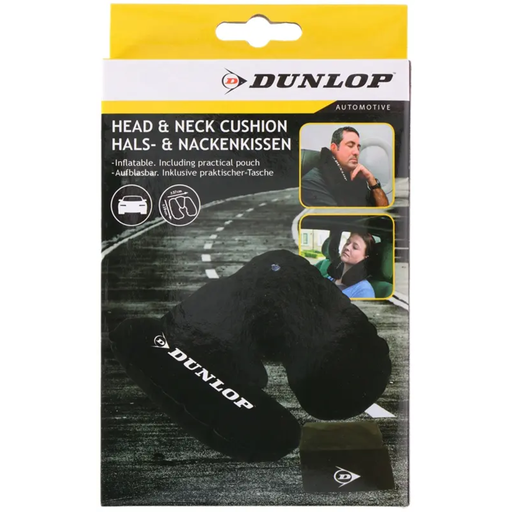
Why this choice suits this profile: This inflatable cervical cushion is ideal for occasional trips by car, train, bus or plane, and folds away easily.
Its inflatable design lets you adjust the volume, then deflate it after use, rather than carrying a bulky cushion around all the time.
PVC, stated weight of 100 g, compact size and can be cleaned with a soft, damp cloth.
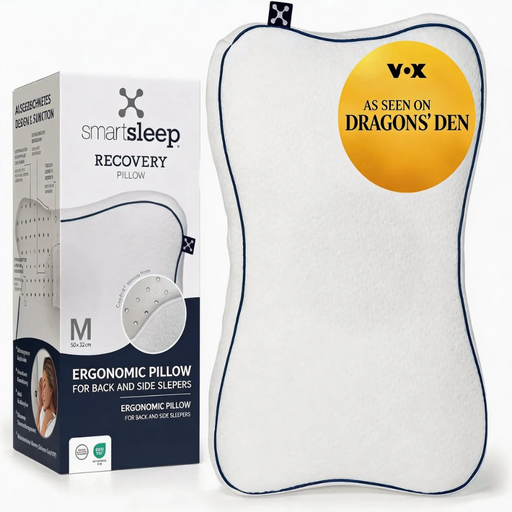
Why this choice suits this profile: Its design is aimed at people who sleep on their back or side and want stable support all night long.
Its dedicated head rest zone means you’re not stuck with a cushion that’s too flat for sleeping.
Viscoelastic foam, integrated air channels and materials stated to be Oeko-Tex certified.
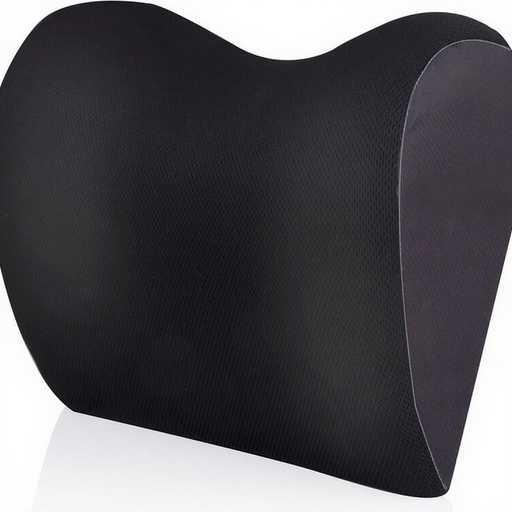
Why this choice suits this profile: This neck cushion for the car is suitable for drivers and passengers who regularly use several vehicles.
The adjustable strap and stated compatibility with many seats let you check the fit before you buy.
Memory foam, dimensions of 23 × 10 × 20 cm and a mesh cover stated to be removable and washable.
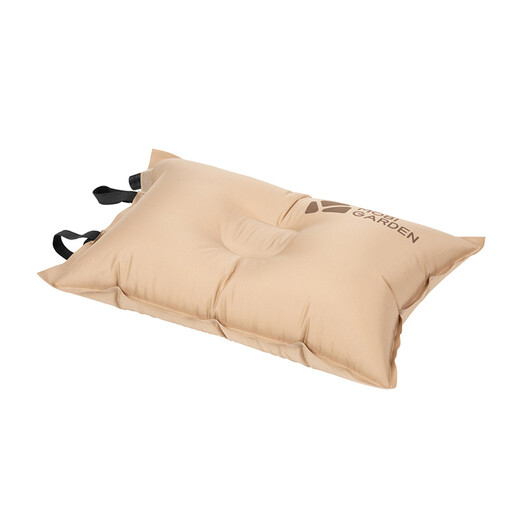
Why this choice suits this profile: This model is suitable for camping, office naps and trips where you need a versatile cushion.
Its folded size of 30 × 10 × 5 cm reduces bulk, while the valve lets you adjust the inflation precisely.
Unfolded dimensions of 50 × 32 cm, stated weight of around 260 g, 210T polyester fabric and can be used as lumbar support.
We’ve put together a full, real-time updated list of products that meet these demanding criteria as well as European safety regulations.
Go for a model that supports your head without tilting it, with a height suited to the width of your shoulders. Memory foam can provide consistent support, but take the time to check the dimensions and firmness before you buy.
For a car headrest cushion, fasten the strap around the headrest posts, then position the cushion at neck level. Adjust it so it doesn’t obstruct your view, restrict head movement or interfere with the seat’s functions.
It depends on how often you use it, how much the foam has deformed, the condition of the cover and the manufacturer’s recommendations. Replace it if the support becomes uneven, if the material starts to crumble or if the inflatable cushion persistently leaks.