
Livraison le jour même ou le lendemain

Qualité garantie

Débloquez vos offres de bienvenue: Livraison GRATUITE | Jusqu'à -80 % | 30 jours d'essai gratuits à JoyPlus
Téléchargez l'application
An ergonomic memory foam cervical pillow can improve your comfort while you sleep, but not every model suits every body shape or sleeping habit. Someone who sleeps on their side has different needs from a back sleeper. Similarly, a cervical cushion for a car seat needs to stay firmly in place during journeys.
Before you place an order, it’s best to avoid three common pitfalls:
The height should keep your head in line with your neck, without pushing it too far forward or to the side. For a pillow for side and back sleeping, a contoured shape can help fill the gap between your shoulder and head. People who sleep on their stomach sometimes prefer a less pronounced level of support.
A height of 8 cm, as seen on several models below, provides a useful point of comparison, but it isn’t enough on its own. Your shoulder width, mattress firmness and sleeping position all affect how comfortable it feels.
A slightly recessed central area can help stabilise your head. However, it shouldn’t be presented as a guarantee of improved breathing or pain relief. For a pillow with neck support, look first for a shape that limits uncomfortable sideways movement.
Memory foam, also known as viscoelastic foam, reacts to the pressure and heat of your body. It gradually moulds to the contours of your head and neck. The result depends on its density, thickness and the overall structure of the cushion.
Some models are built with several layers:
This construction can suit users looking for a memory foam cervical cushion that offers more structured support. Always check the product page for the exact composition, rather than relying on a marketing image alone.
For everyday use, choose a removable, washable cover. The foam itself generally shouldn’t go in the washing machine – it risks losing its structure or holding onto moisture. According to the manufacturer’s recommendations, spot cleaning with a damp cloth followed by air drying is often the better option.
Air channels and a breathable fabric cover can improve the feeling of freshness. For a breathable, hypoallergenic pillow, look for concrete information about materials and certifications. The Oeko-Tex certification mentioned for the Smartsleep model relates to testing for harmful substances in the materials; it isn’t a medical guarantee against all allergies.
When you receive your pillow, let the foam expand to its full size in a well-ventilated room. A manufacturing smell may appear temporarily. Follow the airing time stated on the product page before first use.
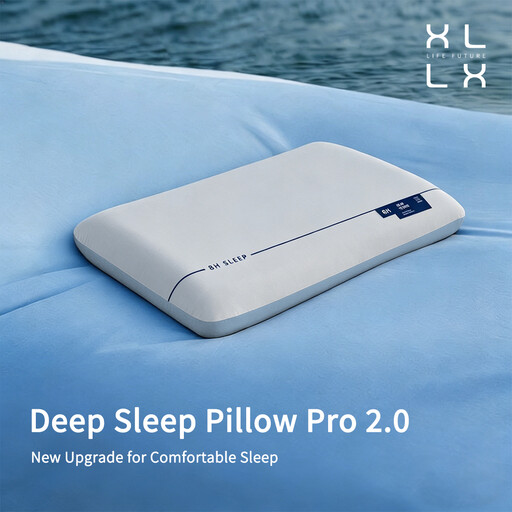
Why this choice suits this profile: its 8 cm height, cervical shape and stated compatibility with side, back and stomach sleeping let you try a structured model without any special adjustments.
The product page states it uses slow-recovery memory foam and advises against machine washing the core, helping you understand the care requirements.
Ergonomic shape, stated height of 8 cm and cover that can be spot cleaned.
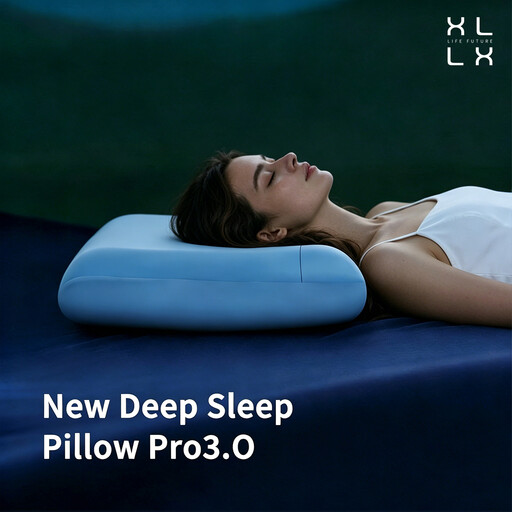
Why this choice suits this profile: its three-layer construction appeals to people who want different levels of firmness between the top layer, intermediate support and base.
The product page details the three layers and mentions a breathable, absorbent cover designed to help regulate temperature.
Three-layer construction, 8 cm height and cover described as breathable.
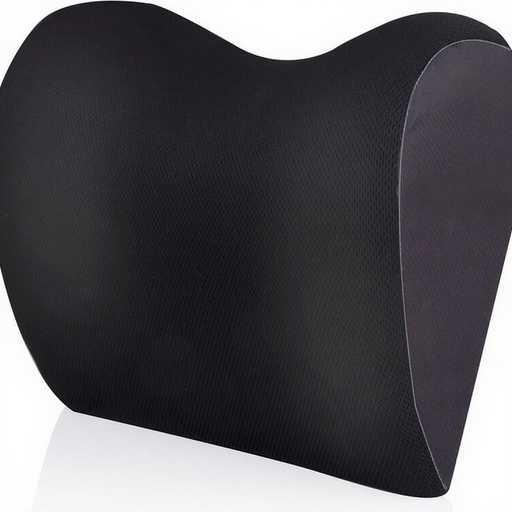
Why this choice suits this profile: this neck cushion for car seats suits both drivers and passengers who do long journeys, thanks to its tool-free adjustable strap.
Its dimensions of 23 × 10 × 20 cm, adjustable strap and stated compatibility with many vehicles let you check its suitability before buying.
Memory foam, removable and washable mesh cover, attaches to headrest rods.
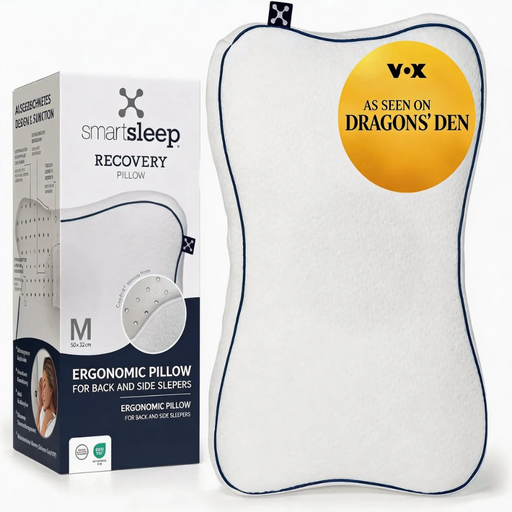
Why this choice suits this profile: its design for back and side sleepers, air channels and certified materials can work well for regular use.
The product page mentions viscoelastic foam with integrated air channels and Oeko-Tex certification – concrete details that go beyond a simple promise of coolness.
Air channels, support for back and side sleepers, materials described as Oeko-Tex certified.
We’ve put together a comprehensive, real-time updated list of products that meet these strict selection criteria and European safety requirements.
For an ergonomic sleeping pillow, place the most suitable side under your neck and make sure your shoulders stay flat on the mattress. Getting used to a new shape can take a few nights. If discomfort persists, stop using it and reassess the height or firmness of the model.
Avoid folding the foam core for long periods and keep it away from direct heat sources. Air the cover regularly and follow the instructions specific to each model. If you have significant pain, an injury or a persistent symptom, a pillow is not a substitute for medical advice.
The adjustment period varies depending on the cushion’s height, your mattress firmness and your habits. Start using it gradually and check the alignment of your head and neck. If the discomfort continues, it’s best to reconsider the model.
The cover can sometimes go in the machine if it’s removable, but the foam core generally shouldn’t be washed this way. For the models, the instructions recommend spot cleaning and air drying. Always check the product label.
For the car, choose a model designed to attach to the headrest, with an adjustable strap and dimensions compatible with your seat’s rods. The Dunlop model shown here attaches without tools and, according to its product page, fits several types of vehicles.