A stiff neck when you wake up, neck pain that ruins your day… An all-too-familiar scenario. Often, the culprit is hiding where you least expect it: your pillow. During the night, inadequate support forces the muscles in your neck and shoulders to remain tense, sabotaging your essential rest.
This guide is here to help you navigate the world of ergonomic pillows. We'll break down the key criteria for making the right choice, based on your sleeping position and needs. Finally, we'll present our selection of the best models, designed to ensure perfect spinal alignment and optimal comfort.
How to Choose the Right Ergonomic Cervical Pillow?
Finding the perfect pillow is a highly personal quest. Here are the essential points to check to find the model that matches your body type and sleeping habits.
1. The Material: Memory Foam or Latex?
The choice of material is crucial for comfort and support level.
- Memory foam pillows: Made of viscoelastic foam, their unique feature is reacting to body heat and pressure to perfectly contour to your head and neck. This technology ideally distributes pressure points and offers customised neck support. It's the top choice for those who love a cradling, cocoon-like feel.
- Latex pillows: Whether natural or synthetic, latex offers more dynamic and responsive support. It sags less under the weight of your head and instantly bounces back to its original shape. Naturally hypoallergenic and highly breathable, it's an excellent option for allergy sufferers or those who tend to sweat at night.
2. Shape and Firmness Based on Your Sleeping Position
The pillow's shape should fill the gap between your head and the mattress to keep the spine in neutral alignment.
- For side sleepers: Opt for a fairly thick and firm pillow for side sleepers to fill the space between your ear and your shoulder. Wave-shaped models, with two different heights, are often a popular choice.
- For back sleepers: Choose a thinner pillow to prevent your head from tilting forward. An added bonus? An ergonomic curve that follows the natural arch of your neck.
- For stomach sleepers: This is the least recommended position for your neck. If it's your only option, an extra-thin pillow (or even no pillow at all) is essential.
3. Certifications and Care
A good pillow is a long-term investment in your health. Check that it's easy to care for. A removable, machine-washable cover is practically a standard feature today, and it's a real everyday convenience. For those with sensitivities, the Oeko-Tex Standard 100 certification guarantees that the textile is free from harmful substances.
Our Ergonomic Pillow Recommendations
Let's move on to our selection of models that meet a variety of needs, whether you're looking for an anti-neck pain pillow or simply better sleep.
JORDAN&JUDY Butterfly-Shaped Memory Foam Pillow
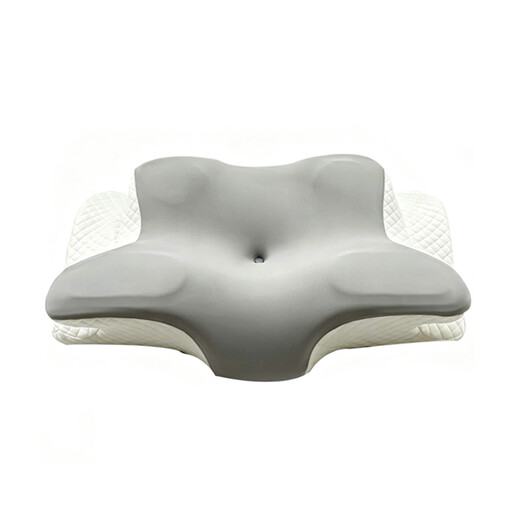
- What sets it apart: Its original butterfly shape adapts to multiple sleeping positions. The side cutouts are designed for you to slide your arms in when sleeping on your side or stomach, while the hollowed-out centre cradles the head for back sleepers.
- Advantages:
- Slow-rebound memory foam for a cocoon-like effect.
- Versatile design, ideal for sleepers who move a lot.
- Targeted cervical support thanks to its specific contours.
- Who is it for?: Ideal for versatile sleepers (back, side) looking for an innovative design that offers freedom of movement and constant support throughout the night.
Smartsleep Cervical Support Pillow with Head Cavity

- What sets it apart: This model focuses on technical design. It combines a central cavity to securely cradle the head with raised edges for optimal neck support. Its memory foam is perforated with ventilation channels for better air circulation and effective temperature regulation.
- Advantages:
- Ergonomic design with a head indentation, promoting alignment in back and side sleeping positions.
- Oeko-Tex certified materials: a guarantee of safety for sensitive skin or allergy sufferers.
- Ventilated structure for enhanced breathability and a cooler night's sleep.
- Who is it for?: Recommended for back and side sleepers looking for a technical orthopaedic pillow, as well as for athletes wanting to optimise their nightly recovery.
JORDAN&JUDY Latex Pillow with Pillowcase
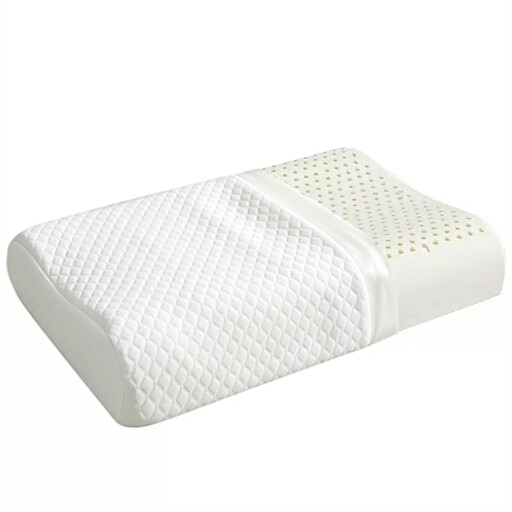
- What sets it apart: This model stands out for its high-resilience latex composition. Unlike memory foam, it provides firmer, bouncier support.
- Advantages:
- Firm yet dynamic support that holds the head without that sinking feeling.
- Inherent hypoallergenic and breathable properties of latex.
- Excellent durability: latex is known for retaining its supportive properties over time.
- Who is it for?: Perfect for those who prefer a firmer, more responsive feel than memory foam, as well as for people seeking a naturally hypoallergenic and breathable solution.
Looking for Another Touch of Comfort?
A good night's sleep certainly depends on excellent cervical support. But the comfort of your home is also all about the details. To add a cosy, decorative touch to your bedroom or living room, take a look at our selection of round embroidered cushions.
Frequently Asked Questions About Ergonomic Pillows
1. What is the lifespan of an ergonomic cervical pillow?
On average, it's recommended to replace an ergonomic pillow every 2 to 3 years. Over time, materials like memory foam or latex lose their resilience and supportive capacity. A pillow that has sagged or become misshapen no longer does its job.
2. How do I know if my pillow is too high or too low?
The best indicator is your spinal alignment. When lying on your side, your spine, from your neck to your tailbone, should be as straight as possible. If your head tilts down towards the mattress, the pillow is too low. If it's propped up, it's too high. When on your back, your chin shouldn't point towards the ceiling (too low) or towards your chest (too high).
3. Is an orthopaedic pillow the same as an ergonomic pillow?
Although the terms are often used interchangeably, there is a subtle difference. An ergonomic pillow is primarily designed to conform to the body's shape and optimise comfort. The term orthopaedic pillow implies a more medical purpose, aimed at correcting or alleviating a condition, even though this designation is not regulated. In either case, the goal remains the same: to promote a healthy posture during sleep.


