Anyone serving several guests
If you want to hand out chocolate without breaking up a bar, check how many pieces are in the bag. Carrefour, for example, describes its Milka Mini Bars as a bag of eight bars weighing 200 g.


To serve several guests at Epiphany without breaking up a chocolate bar, choose a bag of individually wrapped portions. For an individual treat, a mini bar is enough, while a regular bar lets you decide how big to make each piece. Before you buy, make sure you can tell the difference between a mini bar and a filled snack bar, then compare the nutritional information per 100 g and the allergens in each recipe.
If you want to hand out chocolate without breaking up a bar, check how many pieces are in the bag. Carrefour, for example, describes its Milka Mini Bars as a bag of eight bars weighing 200 g.
The word ‘mini’ tells you about the format, not the nutritional values. The figures per 100 g let you compare sugars and fat across recipes, while the weight of each piece helps you gauge the portion you’ll be serving.
If any guests need to avoid certain ingredients, keep the packaging for each product close at hand. Check the ingredients list, highlighted allergens and any ‘may contain’ statements before serving.
First decide whether you want individually wrapped pieces ready to hand out or pieces you’ll prepare yourself. Then compare the recipes and the information on their packaging to choose the right format.
Choose this: if several people need a portion that’s already separate.
Bear in mind: check whether they’re mini chocolate bars or filled snack bars: they’re made to different recipes.
Choose this: for an individual treat, such as the 35 g Lindt Excellence Dark 70% mini bar featured by Lindt France.
Bear in mind: if you’re serving several people, make sure you have enough bars.
Choose this: if you’d rather break the bar into pieces yourself when serving.
Bear in mind: the portions aren’t pre-separated, and the ingredients depend on the recipe you choose.
| What to consider | What to check | Who is this for? |
|---|---|---|
| Serving and portions | Number of pieces, total weight and product type: mini chocolate bar or chocolate snack bar. | To hand out chocolate at Epiphany without cutting it up, I want to know how many portions I’ll have before serving. Around 42% of consumers put this need first. |
| Nutritional values | Sugars and fat per 100 g, followed by the weight of each piece. | When I compare two recipes, I don’t want to guess their nutritional values based on the size of the packaging alone. This comes first for around 33% of consumers. |
| Ingredients and allergens | Ingredients list and any ‘may contain’ statements for each product. | Before offering chocolate to guests who need to avoid certain allergens, I need to be able to identify the exact recipe. This is the top priority for around 25% of consumers. |
A nougat bar or a chocolate-coated wafer has a different composition from a small bar of chocolate. Size and packaging alone aren’t enough to identify the product.
Read the product description and ingredients list, then check the number of pieces before choosing a bag to serve.
In France, Nutri-Score is optional, as the DGCCRF points out. If it’s missing, you’ll still need to check the nutritional information.
Compare the figures per 100 g, then check the weight of the portion you plan to serve.
The cocoa content and size of a piece don’t, on their own, tell you how much sugar it contains or which allergens are in that particular recipe.
Check the label on every product, including any ‘may contain’ statements, before offering it to guests who need to take care.
Lindt France features a 35 g Excellence Dark 70% mini bar, worth considering for an individual treat.
Carrefour features Milka Mini Bars in a bag of eight, weighing 200 g in total. It’s a format to consider when serving several people.
This bar range may appeal if you’d rather choose a recipe and break it into pieces to share.
E.Leclerc features Marque Repère dark chocolate bars, worth considering if you plan to share a bar rather than hand out individual pieces.
These products include an individual dark chocolate mini bar and bags of small bars to hand out. The caramel or wafer bars aren’t mini chocolate bars.
 Image unavailable
Worth considering for an individual treat rather than handing out portions from a bag. This 35 g bar is described as dark chocolate with 70% cocoa. If any of your guests need to avoid certain allergens, check the information on the packaging.
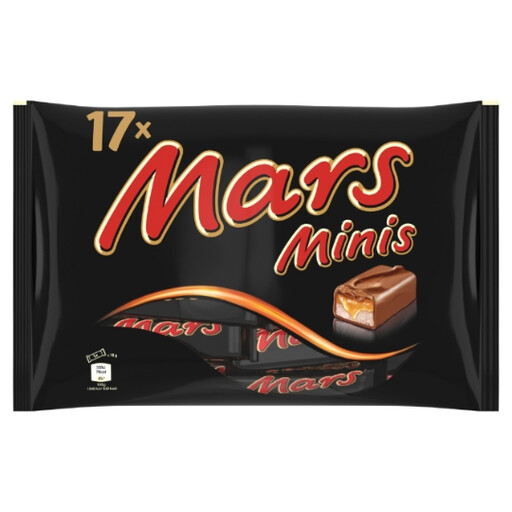 Image unavailable
This bag of mini bars is handy for serving individually if a caramel and nougat confection is what you have in mind. These aren’t mini chocolate bars. To work out exactly how many to serve per person, check the weight of each bar and the allergens listed on the packaging.
 Image unavailable
The nine small pieces can be handed out individually if a strawberry-flavoured chocolate-coated wafer suits your plans. This isn’t a mini chocolate bar. Check the label to compare the sugars, fat and allergens in this recipe.
No. The DGCCRF says that Nutri-Score is optional in France. To compare pre-packed chocolate, check the nutritional information, which is generally given per 100 g, even if the logo isn’t shown.
No. The levy described in Article 1613 ter of the French General Tax Code, published on Légifrance, applies to drinks and liquid preparations for drinks, subject to the conditions set out in that legislation. It doesn’t apply to a solid chocolate bar.
For every pre-packed product, read the ingredients list, highlighted allergens and any ‘may contain’ statements. If you’re serving several types of chocolate, keep the packaging with each recipe so you can check the information when you serve it.