Households reassessing their fridge or freezer
Your fridge, fridge-freezer or freezer runs continuously. You want to compare its energy use and usable capacity with those of a potential replacement, without choosing a larger model than you need.


Start by looking at appliances that run continuously, such as your fridge or freezer, then consider those you use frequently, such as your dishwasher, washing machine or electric hob. It’s only worth considering a replacement after comparing a suitably sized model with your current appliance and how you use it. A better energy rating alone isn’t enough to draw a conclusion.
Your fridge, fridge-freezer or freezer runs continuously. You want to compare its energy use and usable capacity with those of a potential replacement, without choosing a larger model than you need.
You regularly run your dishwasher or washing machine. The energy use shown for standard cycles matters, but so do the capacity, noise level and programmes you use.
You often use an electric hob, particularly a ceramic hob, and want to work out whether replacing it should be considered before replacing another appliance.
ADEME points out that fridges and freezers run continuously. To decide what to look at first, however, start with your current appliance and how often you use it. Then compare appliances of the same type with a capacity that genuinely meets your needs.
Consider it if : your appliance runs continuously and its energy use or capacity no longer meets your needs.
Trade-off : a larger capacity or extra features may reduce the energy benefits of upgrading, according to ADEME.
Consider it if : you run cycles often and can choose a capacity suited to your usual loads.
Trade-off : the figures on the energy label are based on standard cycles, which may not be the programmes you use most.
Consider it if : you often cook on a ceramic hob and are thinking about switching to induction.
Trade-off : check that your pans are compatible and review the installation requirements before choosing this option.
| Concern | What to check | Consumers concerned |
|---|---|---|
| Fridge or freezer running continuously | Compare the kWh/year usage of appliances of the same type, then check the usable capacity and features you need. | If my fridge or freezer stays on day and night, I want to know whether replacing it will meet my storage needs without choosing an unnecessarily large model. Around 42 % of consumers would make this their priority. |
| Frequent washing cycles | For a dishwasher, check the kWh/100 standard cycles and capacity; for a washing machine, compare the capacity with your usual loads. | I run cycles often and want to avoid an appliance that’s too large for my everyday loads. This would be the priority for around 33 % of consumers. |
| Regular electric cooking | Identify your current hob, then check pan compatibility and installation requirements if you’re considering induction. | I use a ceramic hob frequently and want to know whether replacing it should come before replacing another appliance. Around 25 % of consumers would put this question first. |
According to ADEME, the capacity and certain features can increase the energy use of an appliance that runs continuously.
Compare the annual energy use of models of the same type, with a usable capacity and features suited to your actual storage needs.
An energy rating doesn’t replace the figures and units specific to each category: the annual energy use of a fridge or freezer isn’t measured in the same way as a dishwasher’s kWh per 100 cycles.
Note the full model reference, energy use, capacity and other useful details on the label. For applicable models, you can also check the specifications in the European Commission’s EPREL database.
In France, the Ministry of the Economy distinguishes between the durability index, which applies to certain washing machines, and the repairability index, which applies to dishwashers. These indicators cover different things.
Check the relevant index for the appliance you’re considering, then look up repair and spare-parts information for its exact model reference.
The reference figures published by ADEME help you compare appliances. Your programmes and how often you use them may differ, as may the specifications of your old model.
Use these averages to decide what to look at, then compare the specifications of your current appliance and the model you’re considering with how you actually use them.
These brands offer options worth exploring, including specific product ranges and services. Always check the specifications and terms that apply to the model you’re interested in.
Worth considering if you’re comparing dishwashers by capacity, noise level, installation requirements and repair options.
Worth considering if you’re comparing several appliance categories and value detailed product information and after-sales service.
Worth considering if access to a manual, support and suitable spare parts is important to your replacement decision.
These fridge-freezers and dishwashers offer two options to explore when considering a replacement. Compare their capacity and installation requirements with your current appliance, then check the energy label for the specific model before deciding.
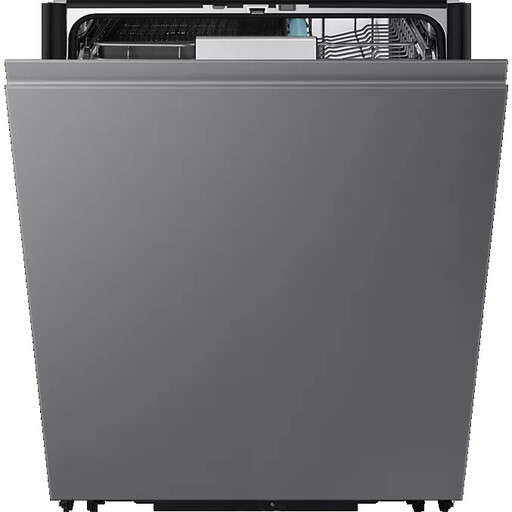 Image unavailable
Worth considering if you’re looking for a built-in dishwasher for regular loads.
The product name lists a capacity of 14 place settings, a width of 60 cm and a stated Class A rating. Check the housing dimensions, connections and energy label figures for the exact model.
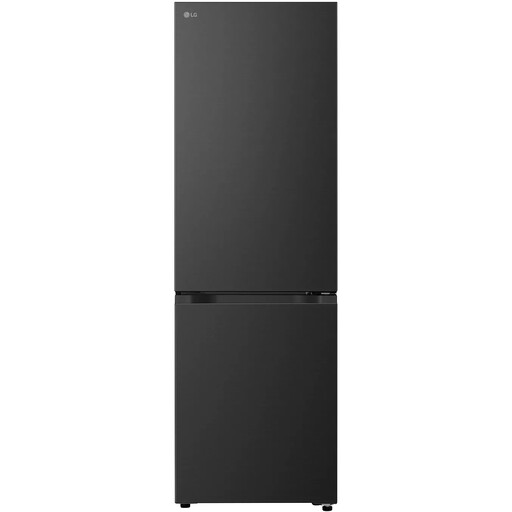 Image unavailable
Compare it with your current fridge or freezer if a capacity of 333 L meets your storage needs.
The product name mentions No Frost technology and a stated Class A rating. Check the annual energy use and energy class on the GBBS312AEV label, as well as the space needed for installation.
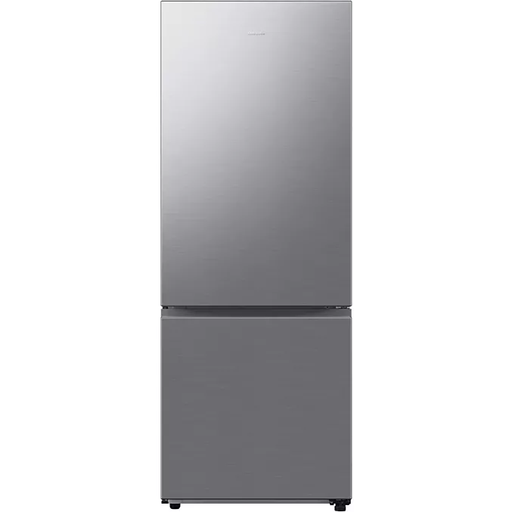 Image unavailable
Worth considering if you genuinely need a 538 L fridge-freezer and have enough space for it.
The energy class is listed as both A and D, so check the RB53DG703DS9 label before comparing energy use. Also check the dimensions and clearance needed.
 Image unavailable
Worth comparing if a capacity of 444 L meets your storage needs and you’re looking for a model described as frost-free.
The product name lists a Class E rating and a noise level of 40 dB. Check these details in the documentation for the exact model, as well as its dimensions and required clearance.
 Image unavailable
Worth considering if you need a freestanding dishwasher with a capacity of 14 place settings.
The product name lists a Class E rating and a width of 60 cm. To assess its electricity use, also check the kWh/100 cycles on the exact model’s label. Check the dimensions and connections before installation.
No. ADEME recommends taking energy use into account, but a replacement should also suit your capacity needs and how you actually use it. Compare your old appliance with a model of the same type before deciding.
Compare the energy class, kWh per 100 standard cycles, water use per cycle, capacity, Eco programme duration and noise level, as ADEME advises. If you mainly use other programmes, the standard-cycle figures alone won’t reflect your usual energy use.
No. The French Ministry of the Economy says that, in France, the durability index has replaced the repairability index for the relevant front-loading and top-loading washing machines, while dishwashers use the repairability index. Check the indicator that applies to the category and model you’re considering.
Search for its full model reference in EPREL, the European Commission database for products covered by energy labelling. Compare the specifications for the exact model rather than relying only on its energy class or product range name.
Yes, for the appliance categories covered by this requirement in France. The Ministry of the Economy says it applies to online sales as well as in-store sales. Check that the label matches the exact model you’re considering.