Households looking for the cause of their energy use
You’ve noticed that an appliance may be driving up your electricity use and want to find out whether your habits, its settings or its maintenance could explain this before replacing it.


Before replacing an appliance that seems to be driving up your electricity use, check how you use it, how well it is maintained and whether it can be repaired. If replacing it still makes sense, compare models with the same function and a suitable capacity. Washing machine and dishwasher figures are based on a reference programme, while a refrigeration appliance’s annual energy consumption should be considered alongside its usable volume.
You’ve noticed that an appliance may be driving up your electricity use and want to find out whether your habits, its settings or its maintenance could explain this before replacing it.
You need to weigh up repair and replacement based on a diagnosis, the availability of parts and how much longer you expect to use the appliance.
You’re replacing a washing machine, dishwasher or refrigeration appliance and need to interpret its energy use alongside its capacity, reference programme or usable volume.
Work through the decision in this order: establish whether the appliance really needs replacing, look into repair, then compare the features of new models that suit the way you use it.
When? The appliance still works, and its settings, how you use it or its maintenance could explain the energy use you’ve noticed.
What to bear in mind: this takes time and won’t fix an appliance that is genuinely faulty or unsuitable.
When? A diagnosis identifies a repairable fault, and repairing the appliance makes sense for the length of time you expect to keep using it.
What to bear in mind: your decision will depend on the quote, access to parts and how long the repair will take.
When? After considering the alternatives, the appliance no longer meets your household’s needs or repairing it isn’t a suitable option.
What to bear in mind: an energy rating alone isn’t enough; the capacity, programme or usable volume must also suit the way you use it.
| Consideration | What to check | Consumers concerned |
|---|---|---|
| Whether replacement is necessary | Identify the appliance in question and how often you use it; check its settings and the maintenance recommended by the manufacturer. | If my energy use is going up, I want to understand how much this appliance is contributing before buying another one. Around 27% of consumers would make this their first check. |
| Repair and how long you’ll use the appliance | Ask for a diagnosis or quote; check which parts are available and, where provided for the model, its repairability rating. | If something breaks, I want to know whether repairing it will let me keep using the appliance. Around 20% of consumers would put this decision first. |
| Understanding energy consumption figures | Compare appliances in the same category: reference programme and figures per cycle for washing, annual consumption and volume for refrigeration. | If I choose a new model, I want its figures to reflect usage that’s comparable to my own. Around 33% of consumers would prioritise understanding these figures. |
| Capacity and everyday use | Match the capacity or usable volumes to your household’s needs; also check the dimensions, noise level and, for washing appliances, the length of the reference programme. | I don’t want to replace my appliance with a model whose size or layout makes it awkward to use every day. Around 20% of consumers would put this suitability first. |
According to ADEME, one in two appliances taken in for after-sales service isn’t actually faulty; a blockage or limescale build-up can explain some symptoms.
Check the manufacturer’s maintenance instructions and ask for a diagnosis if you’re not sure what’s causing the problem.
The European Commission bases washing machine label figures on the Eco 40-60 programme and dishwasher figures on the eco programme. Other programmes and the loads you wash can affect your household’s energy use.
Compare figures within the same category, then check that the reference programme and its duration suit your usual habits.
A letter rating alone doesn’t tell you whether a washing machine’s capacity or the compartments in a refrigeration appliance are the right size for your household.
Consider energy consumption alongside the capacity or usable volumes you need. For a dishwasher, also check the water use per cycle and the number of place settings.
A fault alone doesn’t tell you whether repair is worthwhile. The diagnosis, availability of parts and how long you expect to use the appliance all affect your decision.
Ask for a quote and weigh up repairing it against replacing it with a model that suits your needs.
These washing machines and this fridge freezer are options to consider if you decide to replace your appliance, after looking into maintenance and repair. Compare the washing machines based on the loads you usually do. For the refrigeration appliance, check separately that its usable volume meets your needs and look at the model’s annual energy consumption on the label.
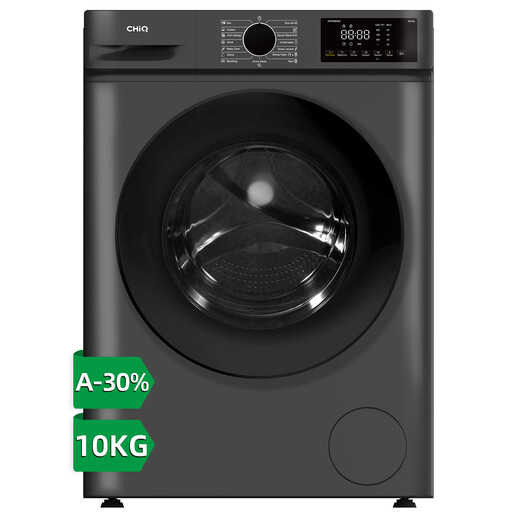 Image unavailable
Worth considering if your usual loads call for this capacity and a front-loading machine suits your installation.
The product name lists a 10 kg capacity, 1,400 rpm and 16 programmes. Compare the energy consumption and duration of the Eco 40-60 programme on the model’s energy label; check its repairability rating if available.
 Image unavailable
A top-loading machine is worth considering if this loading style and a 6 kg capacity suit your loads and available space.
The product name lists 1,400 rpm, 17 programmes and Wi-Fi. Before comparing its energy use with other washing machines, check the figures and reference programme on its energy label.
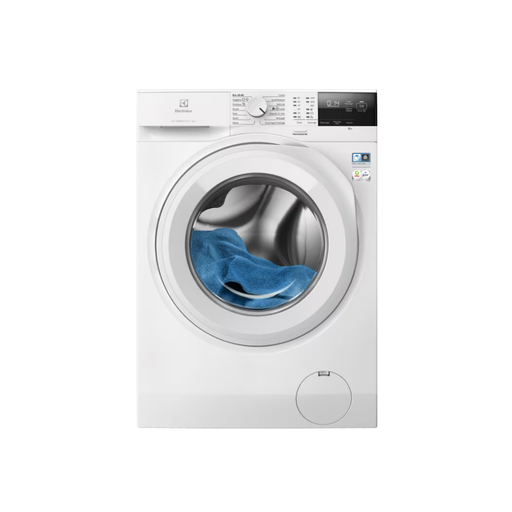 Image unavailable
An option to compare with your usual loads if you’re looking for an 8 kg front-loading washing machine.
The product name lists 1,400 rpm and SensiCare. Check the Eco 40-60 programme figures on the energy label, then make sure the dimensions fit the space you have available.
 Image unavailable
Compare it with front-loading washing machines of a similar capacity if 9 kg loads suit your needs.
The product name lists 1,600 rpm and SmartSelect. Check the energy consumption figures and reference programme duration on the label, and make sure you have enough space before buying.
 Image unavailable
Consider this model if its four-door layout and total volume of 467 L suit your storage needs and the space available.
The product name lists Total No Frost. To assess its energy use, check the annual kWh on the label alongside the volume of each compartment, and compare it with appliances of a similar layout.
No. Compare energy ratings for products in the same category. According to the European Commission, a washing machine’s label includes energy consumption per 100 cycles of the Eco 40-60 programme, while a refrigeration appliance’s label shows annual energy consumption, which should be considered alongside the volume of its compartments.
No. According to the European Commission, these figures relate to the Eco 40-60 programme for washing machines and the eco programme for dishwashers. They help you compare models within their category, but the programmes and loads you use also affect your day-to-day energy consumption.
Check its energy label and look up its product information in EPREL, the European Commission’s database for models covered by energy labelling. The QR code on the label may take you there. Pay particular attention to the units used for energy consumption, the capacity or volumes, and any repair information available for the model.
No. First find out what’s causing the fault and consider whether maintenance or repair could help. ADEME notes that some appliances taken in for after-sales service aren’t actually faulty. If a repair is needed, the quote, availability of parts and expected remaining useful life can help you decide whether to repair or replace it.