
Livraison le jour même ou le lendemain

Qualité garantie

Débloquez vos offres de bienvenue: Livraison GRATUITE | Jusqu'à -80 % | 30 jours d'essai gratuits à JoyPlus
Téléchargez l'application
An energy or functional drink can serve very different purposes: powering through a long revision session, fuelling a workout, replacing a fizzy drink, or topping up your protein intake. The trouble is, the claims on the packaging can sometimes make it hard to compare.
Among British shoppers, three common pitfalls keep cropping up:
So before you choose from the energy and functional drinks available, it's best to compare the nutritional information, the format, and the price per serving.
The "high caffeine content" claim should be assessed per serving, not just per 100 ml. Several products show a high level: NOCCO Focus Stellar contains 180 mg of caffeine per 330 ml can, while NOCCO Lemon Del Sol provides 105 mg per can.
For comparison, a 250 ml can of Red Bull Frosted Berry & Vanilla contains around 80 mg of caffeine. Monster Monarch Juiced has 32 mg per 100 ml, which works out at roughly 160 mg in a 500 ml can, based on the data provided.
Highly caffeinated drinks come with a recommendation for adult consumption only. They are not suitable for children, pregnant or breastfeeding women, or anyone sensitive to caffeine. Also, avoid mixing them with alcohol, and remember to add up all sources of caffeine you consume during the day.
A sugar-free drink can be a good way to cut down on sugar, but its flavour profile won't necessarily match a classic recipe. NOCCO Focus Stellar has 0 g sugar and 0 g carbohydrates per 330 ml can. Monster Reserve Pineapple also shows 0 g sugar per 100 ml, with sweeteners.
For sugary recipes, always compare the values for the actual container you're drinking. Monster Monarch Juiced has 10 g sugar per 100 ml, which is around 50 g in 500 ml. A non-alcoholic malt drink like Supermalt contains 12.8 g sugar per 100 ml, compared to 4.9 g per 100 ml for Capri-Sun + Electrolyte.
Sweeteners aren't a problem in themselves – it all depends on your taste and habits. If you avoid certain allergens, take the time to read the ingredients list, especially to check for gluten, milk, soya, peanuts or tree nuts.
Not all functional drinks serve the same purpose:
Volume matters too. A single 25 cl can is ideal for trying a flavour, while a pack of 12 or 24 units is better suited to regular consumption.
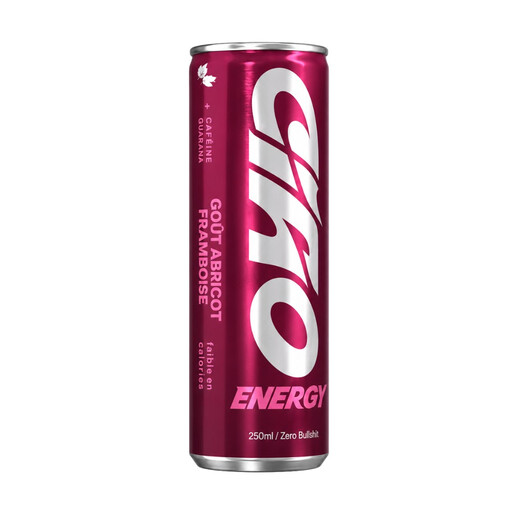
Why this choice suits this profile: At 25 cl, this format lets you try a fruity energy drink without starting with a large can. The pack of 24 then becomes good value for planned consumption.
The values are given per 250 ml can: 43 kcal and 10 g sugar. That helps you avoid underestimating the actual serving you're drinking.
Apricot and raspberry flavours, caffeine from coffee and guarana, plus vitamins B3, B6 and B8.
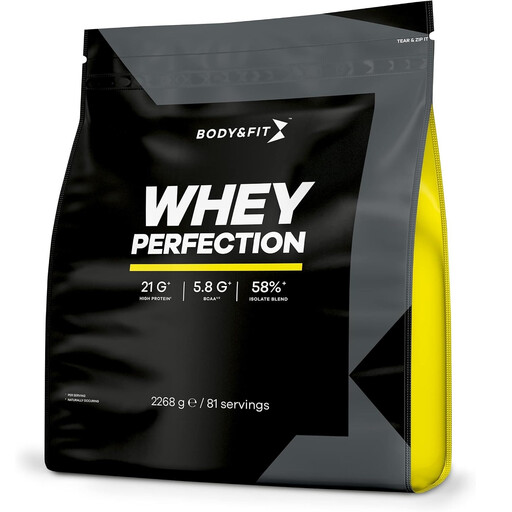
Why this choice suits this profile: This large pack is aimed at users who regularly prepare a protein drink after training or to supplement a meal.
The product page specifies the 28 g serving, which provides 22 g protein, 100 kcal and 1.5 g sugar. That makes dosing much easier to manage.
A blend of whey protein isolate, concentrate and hydrolysate, providing around 81 servings per pack.
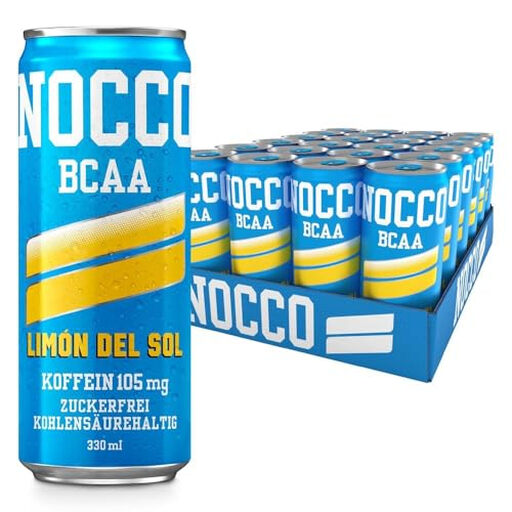
Why this choice suits this profile: Its pack of 24 x 33 cl cans is ideal for fitness sessions, revision days or long gaming sessions, once you've settled on your preferences.
The product page clearly details the values per can: 105 mg caffeine, 2,500 mg BCAA and 0 g sugar. You can then compare these figures against your total caffeine intake.
A sugar-free, fat-free formula enriched with BCAA and vitamins, with a light carbonation.
We've curated a full, real-time updated list of products that meet these exacting standards and European safety regulations.
An energy drink typically contains caffeine and sometimes taurine, plant extracts or vitamins. A hydration drink focuses more on water, electrolytes and certain minerals. The two categories can overlap, but their uses and caffeine content are not the same.
Not always, although it often is. Check the nutritional table based on the actual serving you consume. NOCCO Lemon Del Sol has 4 kcal per 330 ml can, while some drinks containing juice or carbohydrates can be more energy-dense despite their fruity taste.
Before opening, follow the best-before date and the storage conditions stated on the packaging – usually a cool, dry place away from light. Once opened, drink it promptly and refrigerate if the packaging recommends it. For a multipack, choose a volume that matches your consumption rate to avoid keeping cans or bottles beyond the stated date.