
Livraison le jour même ou le lendemain

Qualité garantie

Débloquez vos offres de bienvenue: Livraison GRATUITE | Jusqu'à -80 % | 30 jours d'essai gratuits à JoyPlus
Téléchargez l'application
Buying energy drinks and hydration drinks in packs can save you multiple trips to the till, but a bulk purchase isn’t always the bargain it seems. Between the promises of “performance”, heavily sweetened recipes and caffeine-packed formulas, it’s worth doing a few checks before you stock up your cupboard.
An energy drink typically contains caffeine, sometimes taurine, vitamins or plant extracts. An isotonic drink, an electrolyte-enriched drink or a hydration powder serves a completely different purpose: depending on its composition, it mainly provides water, carbohydrates and certain minerals.
These categories are not interchangeable. For a day at work, a gaming session or a revision period, a caffeinated drink might suit your needs. After physical activity or in hot weather, a drink containing electrolytes will often be more appropriate. In any case, water remains the foundation of everyday hydration.
A pack of 12 or 24 energy drink cans might seem convenient, but take the time to check the total volume, the best-before date and your actual consumption rate. A batch of 24 cans of 33cl equals 7.92 litres, compared to 6 litres for a pack of 12 cans of 50cl.
Comparing the price per litre helps you avoid false economies. Also consider the storage space needed for the pack, the weight of the parcel and how often you actually drink this type of beverage. A flavour you enjoy in a single can can quickly become sickly when you have 24 of them in the cupboard.
A sugar-free drink can reduce your carbohydrate and calorie intake, but it may contain sweeteners and still be very high in caffeine. Conversely, some fruit-flavoured or non-alcoholic malt drinks have a sugar content that is far from negligible.
For example, the product details of several references show around 10 to 11 g of sugar per 100 ml. A 50cl can could therefore contain nearly 50 g of sugar. The term “fruit-flavoured” is not enough to judge the composition: check the nutritional table, both per 100 ml and for the portion you actually drink.
The caffeine content should be checked in mg per 100 ml, then calculated based on the volume you actually drink. The Monster Monarch Juiced and Monster The Doctor Rossi references show 32 mg of caffeine per 100 ml, which is around 160 mg per 50cl can. Monster Ultra Strawberry Dreams, meanwhile, shows 30 mg per 100 ml.
European regulations require a warning label for high caffeine content above 150 mg per litre. Drinks that exceed this level must also carry a specific warning. These products are intended for adults: they should be avoided by children, pregnant or breastfeeding women, and anyone sensitive to caffeine. Also avoid mixing them with alcohol; the Tiger Energy Drink product page explicitly advises against this.
Compare the carbohydrates, of which sugars line, as well as the energy content per 100 ml. Monster Ultra Strawberry Dreams states 0 g of sugar and around 2 kcal per 100 ml. Meanwhile, NOCCO Focus Stellar shows 0 g of carbohydrates and 0 g of sugar, with 180 mg of caffeine per 33cl can according to its product page.
Sugar-free does not mean stimulant-free. Conversely, a fruit-flavoured drink like Capri-Sun + Electrolyte contains 4.9 g of sugar per 100 ml and 20 kcal. The right choice therefore depends on your priority: taste, caffeine content, sugar reduction or the absence of certain sweeteners.
For an electrolyte-enriched drink, check which minerals are actually present and their dosage. Otsuka Pharmaceutical Pocari Sweat Powder 74 g dissolves in 1 litre of water and provides, according to its product page, 520 mg of sodium and 214 mg of potassium per sachet. Once prepared, it should be kept in the fridge and consumed within 24 hours.
Non-alcoholic malt drinks form a separate category. Vitamalt and Supermalt contain barley malt and therefore gluten. They may be suitable if you are looking for a malt-flavoured drink, but are not suitable for anyone who needs to avoid barley or gluten.
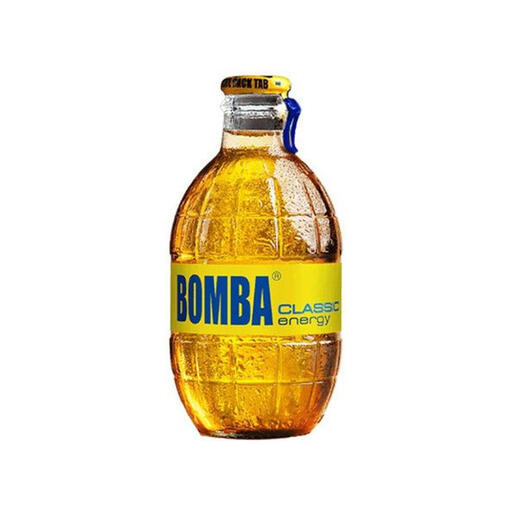
Why this choice suits this profile: Its individual 250 ml format lets you try an energy drink without committing to a large carton straight away.
The small volume limits the risk of overstocking and makes it easy to keep track of how much you consume.
250 ml per can, 0.03% caffeine stated and B vitamins present according to the product page.
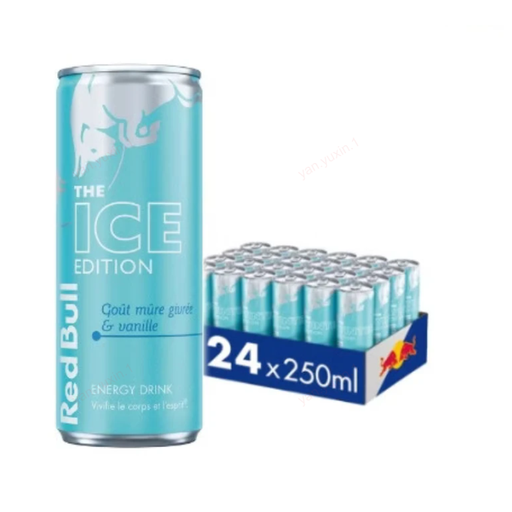
Why this choice suits this profile: This pack of 24 small cans is aimed at those who prioritise a well-known brand, an original flavour and always having stock on hand.
The 250 ml format makes the portion obvious and prevents you from mistaking a can for a 500 ml bottle.
Around 80 mg of caffeine and 45 kcal per 100 ml according to the product page provided.
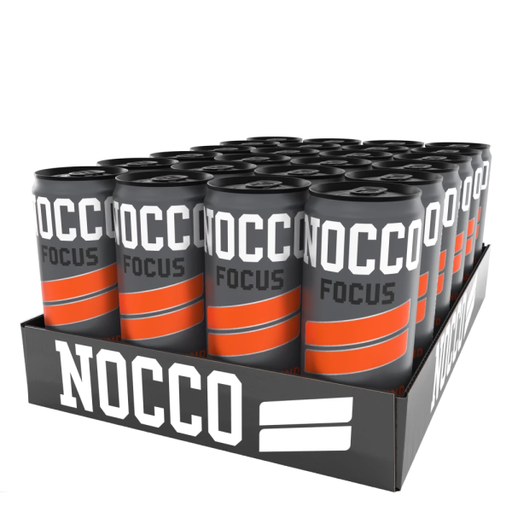
Why this choice suits this profile: Regular consumers, gamers and active individuals will appreciate its compact format and sugar-free formula.
The product page clearly distinguishes the absence of sugar from the high caffeine content, which reaches 180 mg per can: it’s impossible to confuse the two criteria.
Pack of 24 x 33 cl, 0 g of carbohydrates and several B vitamins listed on the label.
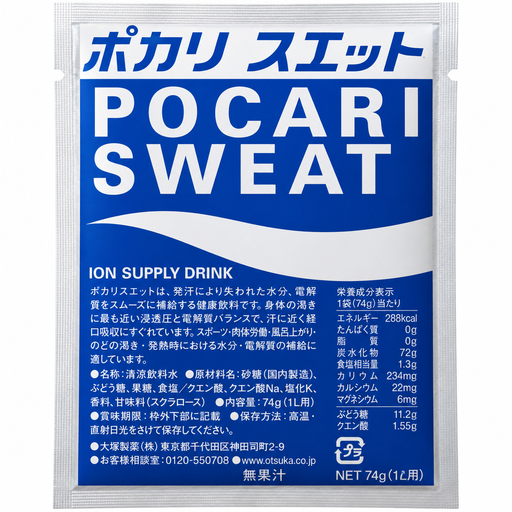
Why this choice suits this profile: Easy to carry, this powder lets you prepare a litre of isotonic drink on demand, whether at home or during physical activity.
The dosage is calibrated to one sachet per litre: you prepare exactly the amount you need, without accumulating ready-to-drink bottles.
One 74 g sachet for 1 litre, with sodium, potassium, calcium and magnesium listed per serving.
We have put together a comprehensive, real-time updated selection of products that meet these strict criteria as well as European safety regulations.
The amount varies by brand and format. Red Bull Frosted Berry & Vanilla shows around 80 mg per 250 ml can, while some 50cl cans dosed at 32 mg per 100 ml reach around 160 mg. Always check the label and add up all other sources of caffeine consumed during the day.
The dry powder keeps according to the instructions on its packaging. For Pocari Sweat Powder, the product page recommends placing the prepared drink in the fridge and consuming it within 24 hours. It is therefore best to only prepare the volume you need.
No. Vitamalt and Supermalt contain barley and gluten. Anyone with allergies or following a gluten-free diet should check the ingredients list and any warnings on the packaging before purchasing.