
Livraison le jour même ou le lendemain

Qualité garantie

Débloquez vos offres de bienvenue: Livraison GRATUITE | Jusqu'à -80 % | 30 jours d'essai gratuits à JoyPlus
Téléchargez l'application
Buying energy drinks in multipacks makes it easy to stock up for the office, studying, commuting or long gaming sessions. But a multipack can just as easily turn a good deal into an unnecessary expense if the size, sugar content or caffeine level doesn't match your habits.
Three mistakes crop up time and again among shoppers:
250ml cans are easy to carry and help you limit how much you drink in one go. They're particularly well suited to short breaks, on-the-go moments and shared supplies.
500ml cans give you more drink, but also generally more caffeine and calories per can when the recipe is sweetened. They can be handy for a long gaming session or a busy day, as long as you keep an eye on your total intake.
To compare two offers, check:
The "high caffeine content" notice deserves your full attention. Several products in this selection contain around 30 to 32 mg of caffeine per 100ml. A 250ml can then provides roughly 75 to 80 mg of caffeine, while a 500ml can can reach 150 to 160 mg depending on the recipe.
The presence of taurine, guarana, ginseng or B vitamins isn't enough to tell you how strong a drink is. Start by comparing the amount of caffeine per can, then check the warnings on the packaging. These drinks are not recommended for children, pregnant or breastfeeding women, or people sensitive to caffeine, as stated on the products concerned.
Also avoid mixing them with alcohol. If your personal circumstances raise any questions, seek advice from a healthcare professional.
A standard energy drink can contain around 10 to 11 g of sugars per 100ml, which is more than 25 g in a 250ml can. Sugar-free or zero-sugar versions typically use sweeteners such as sucralose, acesulfame-K or steviol glycosides.
The choice therefore depends on your priorities:
B vitamins, taurine and other functional ingredients are part of the product's composition, but they are not a guarantee of any medical effect. Always trust the label on the can – it takes precedence over the online product page.
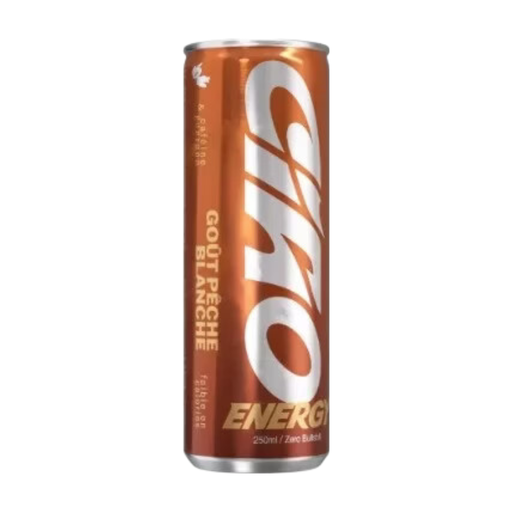
Why this choice suits this profile: The 250ml size makes it easy to compare and carry. The white peach recipe contains 32 mg of caffeine per 100ml and 4 g of sugars per 100ml according to the product page.
The 250ml individual can size stops you from choosing a larger can just because the pack price looks better.
A pack of 24 cans, a fruity flavour, a formula with caffeine from coffee and guarana, plus steviol-based sweeteners.
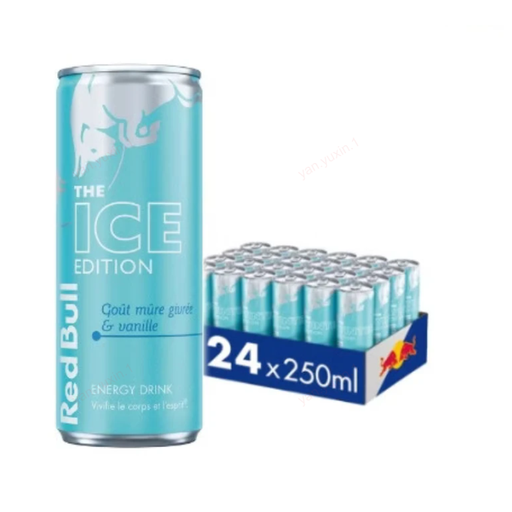
Why this choice suits this profile: This pack offers an original combination of red berries and vanilla in a handy 250ml individual can. The product page states around 80 mg of caffeine and 11 g of sugars per 100ml.
The nutritional information stops you from mistaking a premium recipe for a sugar-free drink.
A pack of 24 units, a practical size, taurine, caffeine and B vitamins, plus recyclable aluminium cans according to the product page.
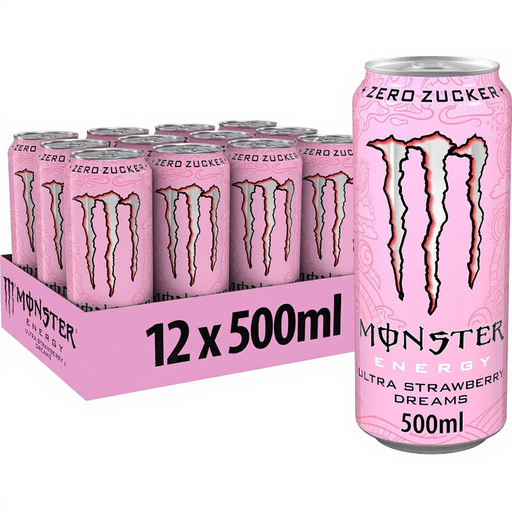
Why this choice suits this profile: The 500ml size is ideal for those who want to stock up for the office, gaming or long periods of activity. This version contains zero sugar and 10 kcal per can according to the product page.
The label clearly separates the absence of sugars from the caffeine content, stated as 30 mg per 100ml.
Twelve 500ml cans, a strawberry flavour, zero sugar, plus taurine, ginseng, caffeine and B vitamins.
Keep the cans in a cool, dry place away from direct light. Avoid freezing and high temperatures. Once opened, the drink should be consumed quickly. For a bulk purchase intended for a business or event, check the best-before dates before opting for a large volume.
The 250ml size is suitable for occasional consumption and makes it easier to control your intake. The 500ml can be more practical for extended use, but provides more caffeine per can when the concentration is similar. Always compare the values shown per 100ml and per unit.
No. The "sugar-free" claim refers to carbohydrates and sugars, not caffeine. Some sugar-free products contain around 30 to 32 mg of caffeine per 100ml. Check the caffeine line on the packaging.
They can lower the unit price, but that's not automatic. Calculate the price per litre and check the total volume. A pack of 24 x 250ml cans and a pack of 12 x 500ml cans both contain 6 litres, despite the different number of units.