
Livraison le jour même ou le lendemain

Qualité garantie

Débloquez vos offres de bienvenue: Livraison GRATUITE | Jusqu'à -80 % | 30 jours d'essai gratuits à JoyPlus
Téléchargez l'application
Buying energy drinks in bulk often means a lower price per can and fewer last-minute purchases. But a pack of 12 or 24 units can quickly turn into a bad deal if you don't like the flavour, if the caffeine content is misjudged, or if the volume doesn't match your actual consumption.
Before you fill your basket, take a moment to check three points that marketing tends to gloss over:
Here are the criteria to consider when choosing an energy drink, from fruity-flavoured energy cans to a hydration drink sold in bulk.
The caffeine content is usually given in milligrams per 100 ml. You then need to relate that to the total volume of the can. A drink showing 30 mg of caffeine per 100 ml therefore contains around 150 mg in a 500 ml can.
This calculation deserves your full attention, especially if you're an active adult, a student or a shift worker. Caffeinated drinks are not suitable for children, pregnant or breastfeeding women, or people sensitive to caffeine. Also avoid mixing them with alcohol and follow the recommendations on the packaging.
Among the references available, some state 30 to 32 mg of caffeine per 100 ml, while NOCCO drink indicates 105 mg per 330 ml can. These figures cannot be compared directly without taking the volume of each container into account.
A standard energy drink may contain sugar, glucose syrup or various sweeteners. To compare two products, look at the "of which sugars" line on the nutrition table rather than relying solely on the "fruity taste" claim.
Sugar-free or low-calorie recipes can be suitable if you're looking to limit added sugars. However, they often contain sucralose, acesulfame-K or other sweeteners. If you want to avoid certain ingredients, read the full ingredients list carefully.
Some Monster Ultra references, for example, state 0 g of sugar and around 2 kcal per 100 ml, while drinks like AriZona Much Mango indicate 11 g of sugars per 100 ml. The right choice therefore depends more on your habits than on the name or flavour being promoted.
A 150 ml or 250 ml can helps limit how much you consume in one go. The 500 ml formats are more suited to those looking for a larger serving, but they also bring more caffeine or sugar overall.
Also make the distinction between:
Once opened, a can should generally be consumed quickly. Put it in the fridge when the label recommends it. As for packs, store them in a dry place, away from sunlight and heat.
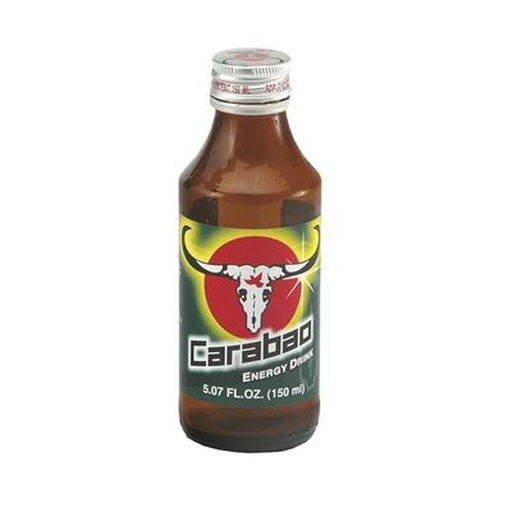
Why this choice suits this profile: Its 150 ml size lets you start with a small portion, while its fizzy taste lends itself well to occasional consumption.
Its small volume reduces the risk of buying a large pack straight away that wouldn't suit your taste or your consumption pace.
Individual 150 ml format, contains caffeine and B vitamins according to the product sheet.
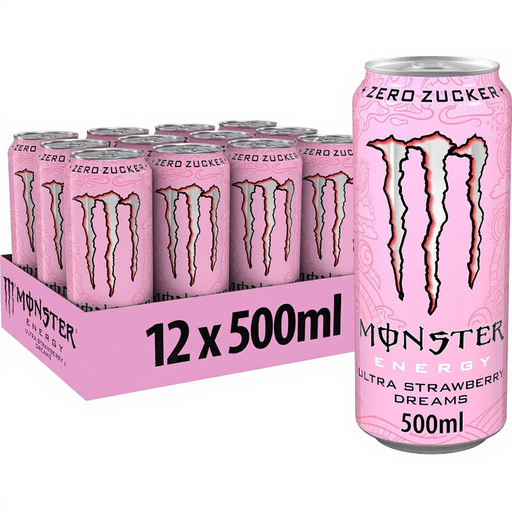
Why this choice suits this profile: This pack combines the large 500 ml format, a strawberry flavour profile and a recipe stated as sugar-free on the product sheet.
The mention of 0 g of sugar per 100 ml clearly distinguishes this reference from sweetened fruity drinks.
Pack of 12 × 500 ml, strawberry flavour, around 2 kcal per 100 ml and 30 mg of caffeine per 100 ml according to the sheet.
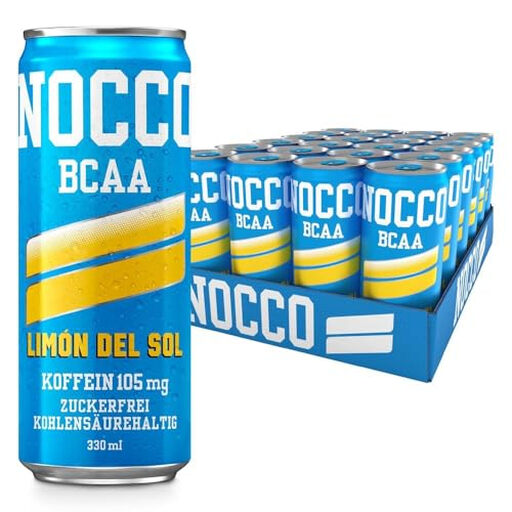
Why this choice suits this profile: Its sugar-free recipe and 330 ml format target adults looking for a drink to incorporate into their fitness routine.
The content is stated per can: 105 mg of caffeine and 2,500 mg of BCAA claimed, rather than a vague general promise.
Pack of 24 × 330 ml, 0 g of sugar, 0 g of fat and contains vitamins according to the information provided.
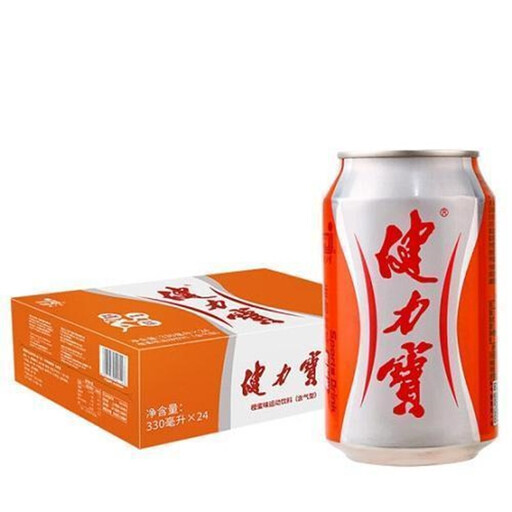
Why this choice suits this profile: This 330 ml orange drink focuses on hydration and minerals, without making caffeine its main selling point.
The product sheet clearly distinguishes this electrolyte drink from a caffeinated energy drink, making the choice easier after physical activity.
Pack of 24 × 330 ml, orange flavour, sodium and potassium stated, no caffeine mentioned in the composition provided.
We've put together a comprehensive, real-time updated selection of products that meet these demanding criteria, in compliance with European safety regulations.
Check the date on each can and follow the recommended storage conditions. An unopened pack generally keeps in a cool, dry place away from direct light. Once opened, drink the contents quickly and put it in the fridge if the packaging says so.
No. The amount of sugar and the amount of caffeine are two separate things. A sugar-free drink can contain 30 or 32 mg of caffeine per 100 ml, or even more per can depending on its volume. Always compare both lines on the nutrition table.
Compare the price per litre, the number of cans and the delivery charges. Also check the volume of each container and the best-before date. Buying a larger pack is only worthwhile if the flavour, composition and your consumption frequency genuinely match your needs.