
Livraison le jour même ou le lendemain

Qualité garantie

Débloquez vos offres de bienvenue: Livraison GRATUITE | Jusqu'à -80 % | 30 jours d'essai gratuits à JoyPlus
Téléchargez l'application
Between a fruity energy drink, a sugar-free recipe or an economy pack, the choice can quickly become overwhelming. Energy drinks aren't just about taste or brand. The caffeine content, sugar level, volume and when you drink them all play a part in how useful they are for studying, working, commuting or exercising.
The selection below, put together by the Joybuy Head of Product Recommendations, helps you compare the details that really matter, beyond the marketing claims.
An energy drink flavoured with mango, watermelon or peach can still be very sugary. The ARIZONA Energy Drink Watermelon 50 cl, for example, contains 11 g of carbohydrates per 100 ml. A whole 500 ml can therefore provides around 55 g of carbohydrates, based on the values shown on the product page.
On the other hand, some sugar-free energy drinks rely on sweeteners. They can be suitable for people who want to limit their sugar intake, but their flavour profile and ingredient list differ from a classic recipe.
A 500 ml can doesn't necessarily contain the same total amount of caffeine as a 250 ml one. Monster Energy 50 cl cans generally have a high caffeine content, with some varieties at 30 or 32 mg per 100 ml. That works out at around 150 to 160 mg per 500 ml can.
By comparison, a small format like the Red Bull Regular 25 cl contains about 80 mg of caffeine per can. So the total volume matters just as much as the value stated per 100 ml.
A pack of 24 cans can lower the price per can, but it's mainly for people who already know they like the flavour and how often they'll drink this type of beverage. If you're trying a new caffeinated energy drink, starting with a single can reduces the risk of being stuck with a whole stash of a flavour you don't enjoy.
In the European Union, any drink containing more than 150 mg of caffeine per litre must carry a label stating its high caffeine content, along with a warning for children and pregnant or breastfeeding women. The information printed on the can itself should still be your first reference, as recipes can change.
For a quick comparison:
Avoid combining several sources of caffeine over a short period, especially coffee, tea, energy drinks and supplements. People who are sensitive to caffeine should be particularly careful and always check the information on the packaging.
A reduced-sugar recipe isn't necessarily sugar-free. Ciao Energy 25 cl cans, for example, state 4 g of sugars per 100 ml, which is 10 g per can. They also contain steviol glycosides from stevia.
The Monster Ultra Strawberry Dreams and Monster Ultra White varieties are described as sugar-free. The first one shows 0 g of sugars and around 2 kcal per 100 ml. This type of recipe can suit those looking for a low-calorie option, but its caffeine content still needs to be checked.
Small 25 cl cans slip easily into a bag and are convenient to drink during a break. 50 cl cans are better for longer drinking sessions, but they also deliver more caffeine and sugar when the recipe isn't sugar-free.
Store cans in a dry place, away from heat and direct light. Once opened, several product pages recommend drinking the beverage the same day or soon after. Serve it chilled, don't freeze it, and always check the date on the packaging.
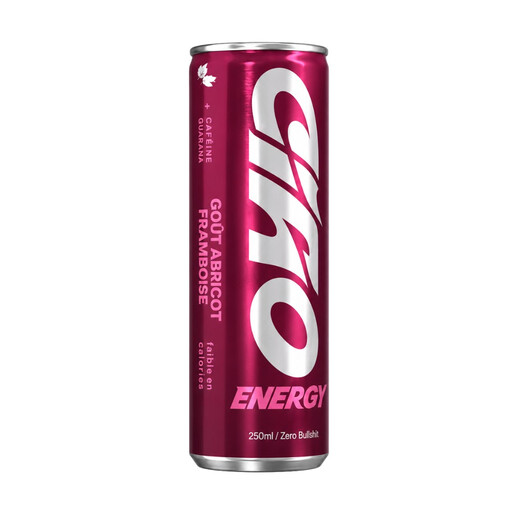
Why this choice works: The 25 cl format is easy to carry, and the pack is ideal for anyone wanting to stock up for study or work days.
The product page states 4 g of sugars per 100 ml, not a sugar-free recipe. This lets you compare the price and ingredients more clearly.
24 cans of 250 ml, 43 kcal per can and caffeine from coffee and guarana, according to the product page.
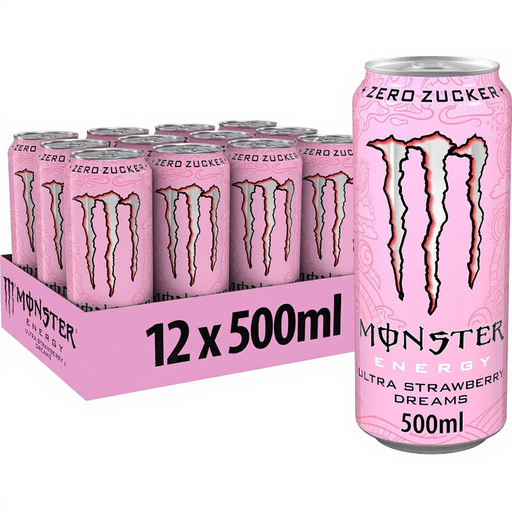
Why this choice works: This 50 cl pack is for people who enjoy a strawberry flavour and want to avoid sugar in their energy drink.
The sugar-free label comes with a caffeine content of 30 mg per 100 ml: no sugar doesn't mean no caffeine.
0 g of sugars, around 2 kcal per 100 ml and 12 cans of 500 ml, according to the information provided.
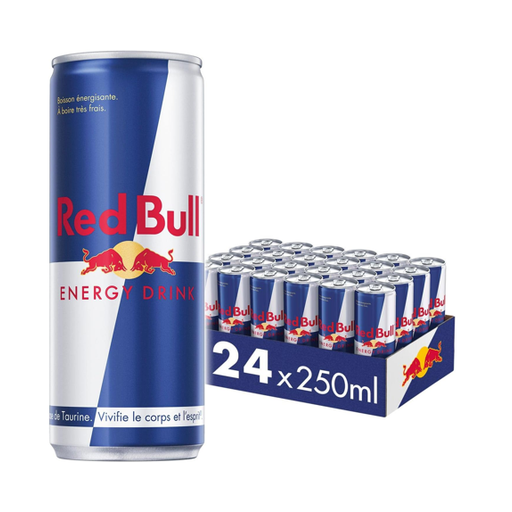
Why this choice works: The small format is easy to store at the office, in a shared fridge or when you're on the go.
A small format doesn't mean low sugar: the product page shows 27.5 g of sugars and around 80 mg of caffeine per can.
24 cans of 250 ml, with caffeine, taurine and B vitamins, according to the product page.
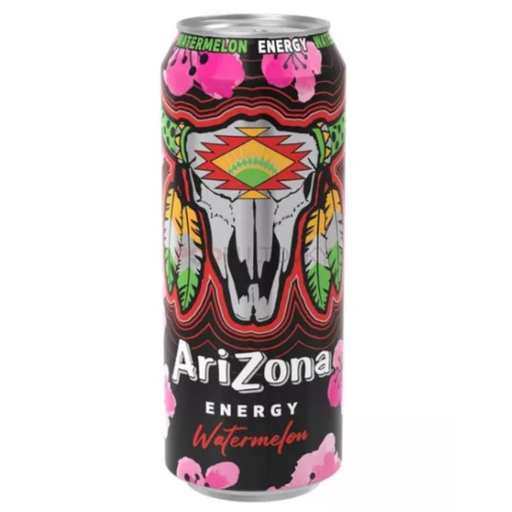
Why this choice works: Its fizzy watermelon profile will appeal to anyone looking for a fruity alternative to more classic flavours.
The presence of green tea, fruit juice and vitamins doesn't make this a sugar-free drink. Let the nutritional values guide your choice.
500 ml can, sparkling water, fruit juice, green tea extract and vitamins A and E, according to the description.
Our selection of energy drinks brings together single cans and multi-packs, with a range of flavours, caffeine levels and recipes for you to compare.
It all depends on the recipe and the size. A 25 cl can with 32 mg per 100 ml contains around 80 mg of caffeine. A 50 cl can with 30 mg per 100 ml provides about 150 mg. Always check the label and take into account any other caffeinated drinks you've had during the day.
No. A sugar-free recipe can still have a high caffeine content. Monster Ultra Strawberry Dreams, for example, has 30 mg of caffeine per 100 ml while showing 0 g of sugars. "Sugar-free" only describes the carbohydrate content, not the stimulating effect of caffeine.
The price per can is often better, but remember to compare the price per litre, the total volume and the best-before date. A pack of 24 x 25 cl cans gives you 6 litres, the same as a pack of 12 x 50 cl cans. The right choice then depends on the size you prefer, how much storage space you have and how often you drink them.