
Livraison le jour même ou le lendemain

Qualité garantie

Débloquez vos offres de bienvenue: Livraison GRATUITE | Jusqu'à -80 % | 30 jours d'essai gratuits à JoyPlus
Téléchargez l'application
An energy drink may seem easy to choose: a chilled can, a flavour you enjoy and a reasonable price. However, a few details can make the difference between a practical purchase and an unnecessary expense. Sugar content, caffeine levels, pack size and sport-related claims all deserve careful consideration before you place an order.
This guide from the Joybuy Product Recommendation Officer helps you compare the options available for your everyday life in France: studying, working, training, gaming, travelling or getting through long days.
A fruit-flavoured energy drink can be pleasant to consume, but watermelon, mixed berry or blueberry flavour says nothing about its sugar or caffeine content. Two cans of the same size can have very different nutritional profiles.
Always take the time to check the label for:
A pack of energy drinks can reduce the price per unit, but this format is not suitable for every use. A box of 24 cans represents a substantial stock, with a best-before date to monitor and a risk of overconsumption simply because the drinks are readily available.
Before choosing a large pack, estimate how many cans you actually drink each week. To try a flavour or assess your tolerance, buying a single can or a small multipack helps avoid unnecessary purchases.
Claims such as “energy”, “focus” or “performance” do not replace reading the nutritional information. An energy drink for sport is not automatically a hydration drink suitable for every workout. As for vitamins, taurine and BCAAs, they describe the product’s formulation but do not constitute any form of medical guarantee.
Caffeine is the main element to monitor in an energy drink with caffeine. The products reviewed often indicate approximately 32 mg of caffeine per 100 ml. A 250 ml Red Bull can therefore contains around 80 mg, based on the information provided on the product page.
Some products are more concentrated. The 330 ml NOCCO can contains 105 mg of caffeine, while a 50 ml energy shot delivers its formula in a smaller volume. Remember to add up the caffeine from coffee, tea, energy drinks and guarana supplements. The EFSA uses a reference limit of 400 mg per day for a healthy adult, from all sources combined. Pregnant or breastfeeding women, people who are sensitive to caffeine and minors should follow the recommendations applicable to them, as well as the warnings shown on the packaging.
A classic energy drink may contain approximately 11 g of sugar per 100 ml. In a 250 ml can, that amounts to nearly 27.5 g of sugar, as with the Red Bull Regular featured in this selection. If you want to reduce your sugar intake, compare a sugar-free energy drink with its classic version, also checking which sweeteners are used.
“Sugar-free” does not mean “caffeine-free”. The Red Bull Sugar-Free version retains a caffeine content advertised as comparable to that of the classic recipe. These two criteria should therefore be assessed separately.
The 250 ml cans are easy to carry and make it easier to manage the amount consumed. The 330 ml formats provide more drink per unit, but also more caffeine if the concentration remains similar. A guarana food supplement generally comes in capsule form, so the recommended daily dose should be checked carefully.
Also consider storage conditions: most cans should be kept in a cool, dry place away from sunlight. Once opened, consume the product promptly and do not mix it with alcohol.
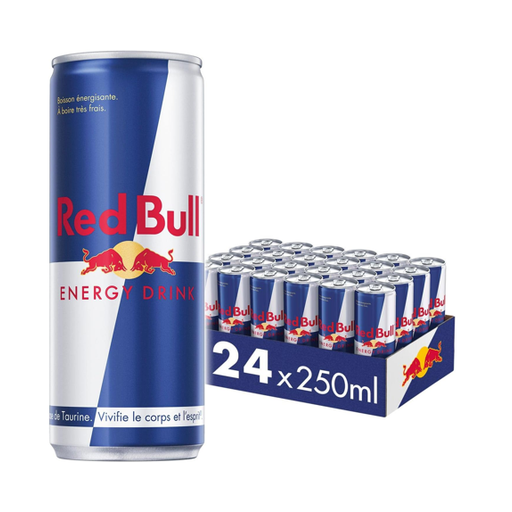
Why this choice suits this profile : With its 250 ml format and advertised content of 32 mg of caffeine per 100 ml, this product makes it easy to track your intake. The pack is suitable for regular use.
The information provided per can and per 100 ml makes it easier to calculate sugar and caffeine intake before buying a large stock.
24 x 250 ml cans, a recipe with taurine and B vitamins, and best served well chilled.
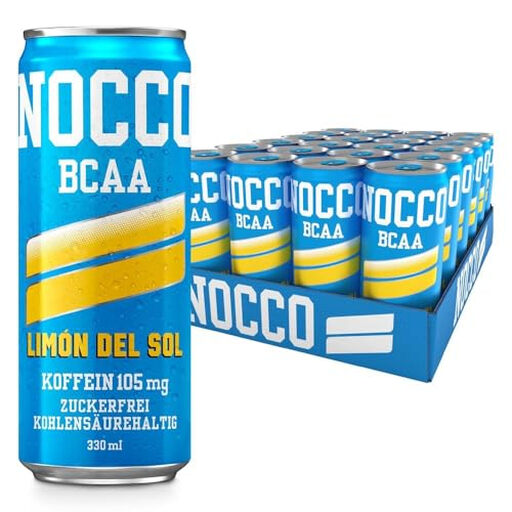
Why this choice suits this profile : This product combines a sugar-free recipe with 105 mg of caffeine per 330 ml can and 2,500 mg of BCAAs advertised per unit.
The sugar-free claim is accompanied by precise caffeine data. There is therefore no risk of mistaking the absence of sugar for low stimulation.
24 x 330 ml cans, 0 g of sugar and a formulation advertised as vegan and gluten-free.
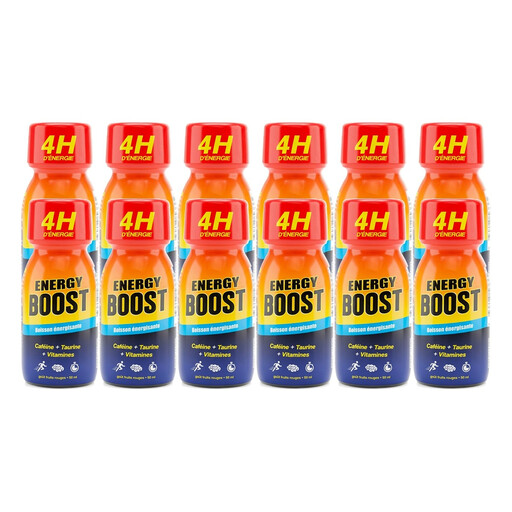
Why this choice suits this profile : At just 50 ml, this format fits easily into a work bag, suitcase or pocket when travelling.
The dosage is divided into individual portions, and the product page recommends taking no more than two shots per day.
Sugar-free, still and advertised at 1 kcal per shot, with caffeine, taurine and B vitamins.
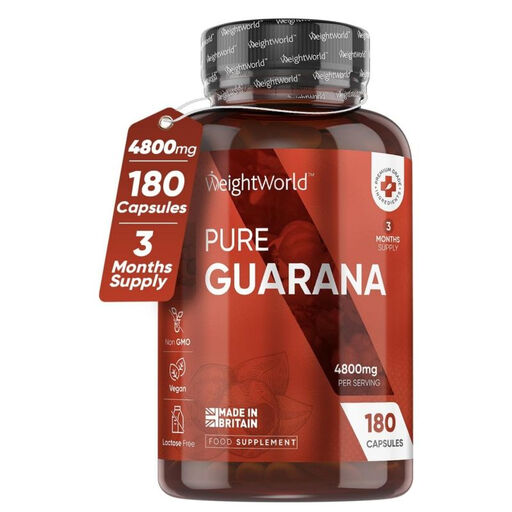
Why this choice suits this profile : This guarana food supplement is suitable for people who prefer a measured capsule dosage to a ready-to-drink beverage.
The recommended dose is set at two capsules per day. However, total caffeine intake from all sources must also be taken into account.
180 capsules, a guarana extract advertised as equivalent to 4,800 mg per serving and a vegan formulation.
We have brought together a complete, real-time updated selection of products that meet these demanding criteria and European safety regulations.
The 250 ml products featured here generally contain around 80 mg of caffeine per can, based on 32 mg per 100 ml. Always check the label, as concentration may vary by brand and recipe.
Not necessarily. A sugar-free version may retain a caffeine content comparable to that of the classic recipe. Before choosing, check the “sugars” and “caffeine” lines separately.
Store unopened cans in a cool, dry place away from direct light. The date shown on the packaging is the reference point. Once opened, consume the drink promptly and avoid freezing or heating it.