
Livraison le jour même ou le lendemain

Qualité garantie

Débloquez vos offres de bienvenue: Livraison GRATUITE | Jusqu'à -80 % | 30 jours d'essai gratuits à JoyPlus
Téléchargez l'application
Energy drinks are taking up more and more space on shelves and in online shops: single cans, family multipacks, fruity recipes, sugar-free versions and vitamin-enriched options. This wider choice is convenient, but it also increases the risk of ending up with the wrong size or a drink that’s more caffeinated than you expected.
Before you place an order, three pitfalls are particularly common:
For active adults, students, gamers and fitness enthusiasts, it’s best to start with the concrete details: caffeine, sugars, volume, ingredients and storage conditions.
European regulations require the label “high caffeine content” when the drink contains more than 150 mg of caffeine per litre, with the amount stated in mg per 100 ml. To work out how much you’re actually consuming, you then need to take the total volume of the can into account.
A few examples:
So compare the amount of caffeine per can, rather than just looking at the figure per 100 ml. Children, pregnant or breastfeeding women, and people sensitive to caffeine should avoid highly caffeinated energy drinks, in line with the warnings on the packaging.
A sugar-free energy drink isn’t necessarily less caffeinated. It may contain sucralose, acesulfame-K or other sweeteners. To choose a formula that suits your habits, check:
Conversely, a classic recipe may contain around 10 to 11 g of sugars per 100 ml. In a 500 ml can, that’s significantly more than in a 250 ml format.
The right size depends mainly on how much you plan to drink:
For an energy drink for sport, don’t automatically lump caffeine, hydration and electrolytes together. An energy drink isn’t necessarily a sports drink. For long sessions or activities in hot weather, also look at the carbohydrate, mineral salt and electrolyte content. You can browse our selection of sports drinks to compare different categories.
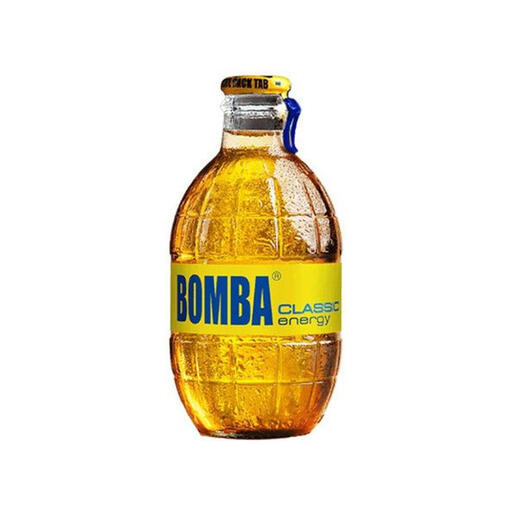
Why this suits this profile: its 250 ml format lets you start with a limited volume, without having to order a large multipack straight away.
The clearly stated volume prevents you from mistakenly comparing a small can with a 500 ml energy drink.
250 ml format, with caffeine, taurine and B vitamins according to the product listing.
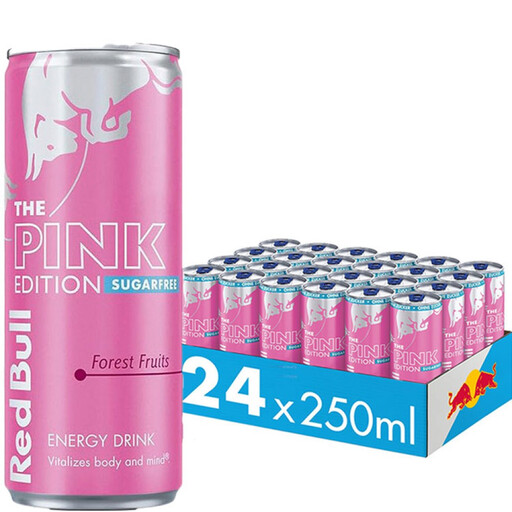
Why this suits this profile: the 24-can multipack is aimed at regular consumers who prefer a well-known brand and a fruity flavour.
The single 250 ml format reduces the risk of underestimating how much you’re consuming compared to a larger can.
Red berry flavour, no added sugars according to the listing, and 320 mg of caffeine per litre.
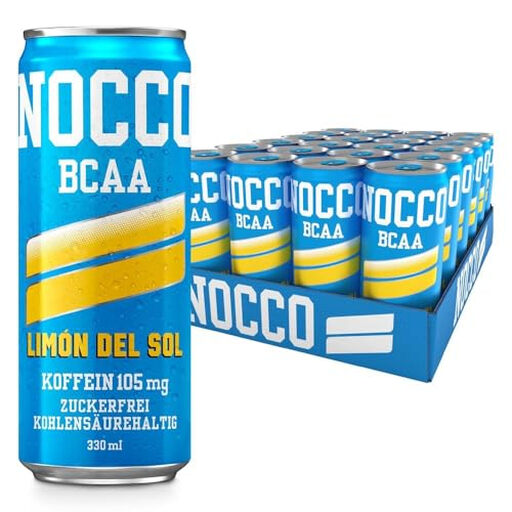
Why this suits this profile: its bulk format and targeted composition are designed for athletes and consumers looking for a sugar-free drink for the gym or busy days.
The listing clearly separates the BCAA, caffeine and vitamins: you can check the composition rather than relying solely on the “fitness” claim.
0 g sugar, 105 mg caffeine and 2,500 mg BCAA per 330 ml can according to the data provided.
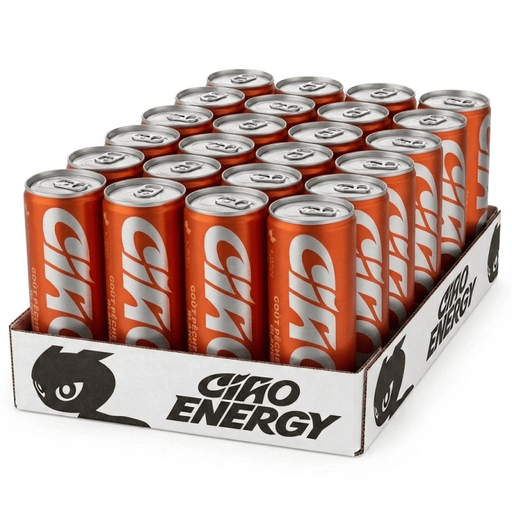
Why this suits this profile: its compact size and white peach flavour make it ideal for those looking for a fruity energy drink for on the go or at work.
The listing states a reduced-sugar formula, but also specifies that one can contains 10 g: useful information to help you adjust your choice.
White peach flavour, 250 ml can, caffeine from coffee and guarana, with vitamins B3, B6 and biotin.
We’ve put together a comprehensive, real-time updated list of products that fully meet these strict selection criteria and European safety regulations.
It all depends on the brand and volume. A 250 ml can at 32 mg/100 ml contains around 80 mg of caffeine, while a 500 ml format at 30 mg/100 ml provides around 150 mg. Always check the label on the product you buy.
Before opening, respect the date printed on each can and store the multipack in a cool, dry place away from heat. After opening, reseal the can if possible and put it in the fridge. Product listings generally recommend consuming it quickly.
No. “Sugar-free” simply means the drink contains no sugars; it doesn’t tell you anything about its hydrating properties or electrolyte content. For physical activity, compare the caffeine, carbohydrates, mineral salts and volume separately, then choose based on the duration and intensity of your workout.