
Livraison le jour même ou le lendemain

Qualité garantie

Débloquez vos offres de bienvenue: Livraison GRATUITE | Jusqu'à -80 % | 30 jours d'essai gratuits à JoyPlus
Téléchargez l'application
Picking a can of energy drink seems simple enough… until you actually compare the volume, sugar content and caffeine levels. Between the promises of a “natural boost”, fruity recipes and packs of 24 cans, some important details can easily slip under the radar.
Before buying energy drinks – whether for studying, work, commuting or sport – there are three pitfalls to avoid:
The caffeine content is usually listed in mg per 100ml. To work out how much you’ll actually consume, simply multiply this figure by the volume of the can.
A recipe showing 30mg/100ml contains around 75mg of caffeine in 250ml, and 150mg in 500ml. At 32mg/100ml, a 50cl can gives you roughly 160mg. In France and the European Union, drinks exceeding 150mg/l must carry a statement about their high caffeine content, along with a warning for children and pregnant or breastfeeding women.
Anyone sensitive to caffeine, pregnant or breastfeeding women, and minors should follow current recommendations and check the label carefully. Also avoid mixing these drinks with alcohol. Within the same pack, always compare the caffeine content per can rather than relying solely on the brand name.
A standard energy drink often contains between 10 and 11g of sugar per 100ml. In a 500ml can, that adds up significantly compared with a small 25cl can. Sugar-free versions typically replace sugar with sweeteners such as sucralose, acesulfame-K or steviol glycosides.
The choice really comes down to your taste and habits. A sugary recipe will suit those looking for a fuller, more indulgent flavour, while a sugar-free version helps keep your sugar intake down. That doesn’t mean it contains less caffeine though – the nutrition table is your best friend for checking that.
A fruity energy drink may contain fruit juice or purée, but it could also just have flavourings. If the presence of fruit matters to you, take the time to check the percentage of juice. The options range from watermelon, mango and berries to more surprising combinations like lychee, cucumber, rhubarb or coconut.
Taurine, guarana, green tea, B vitamins or plant extracts describe what’s in the recipe, but they are by no means a guarantee of medical effectiveness. A natural energy drink might get its caffeine from coffee, guarana or green tea: whatever the source, it’s the total amount of caffeine you need to compare.
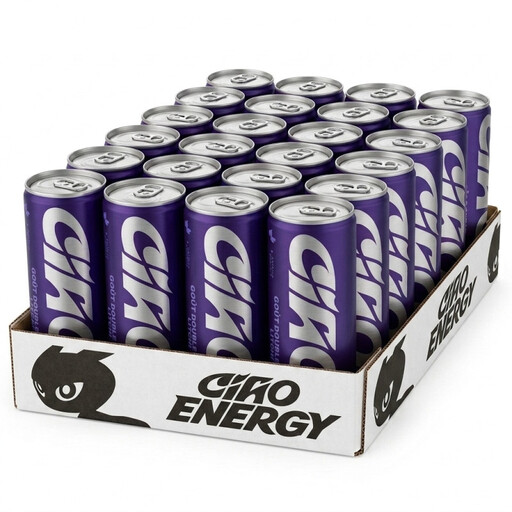
Why this suits this profile: At 25cl, this can lets you start with a more sensible portion. The pack of 24 will easily fit in a household, office or for an event.
The volume per can is clearly stated. The recipe shows 17kcal/100ml and 4g of sugar per 100ml.
A lychee flavour, caffeine from coffee and guarana extract, plus vitamins B3, B6 and B8 as listed on the product page.
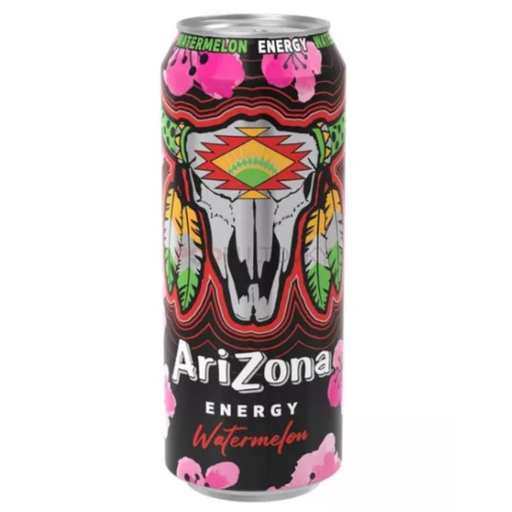
Why this suits this profile: This large 50cl can focuses on a watermelon flavour, green tea, fruit juice and various plant extracts.
The product page details the ingredients and nutritional values: 45kcal and 11g of carbohydrates per 100ml.
Green tea, a caffeine content of 0.015% according to the product page, fruit juice and vitamins A and E. Best enjoyed well chilled.
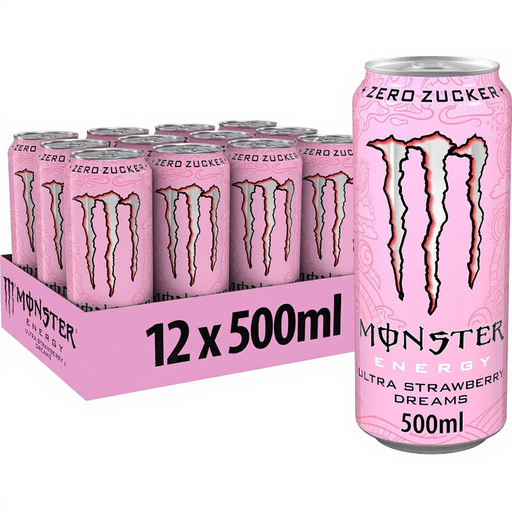
Why this suits this profile: With 12 50cl cans, this pack is a handy supply for the office, travel or events.
The product page specifies 30mg of caffeine per 100ml and the absence of sugar, rather than leaving the consumer to rely solely on the term “Ultra”.
A strawberry flavour, 2kcal/100ml and 0g of sugar per 100ml according to the information provided. Its high caffeine content calls for sensible consumption.
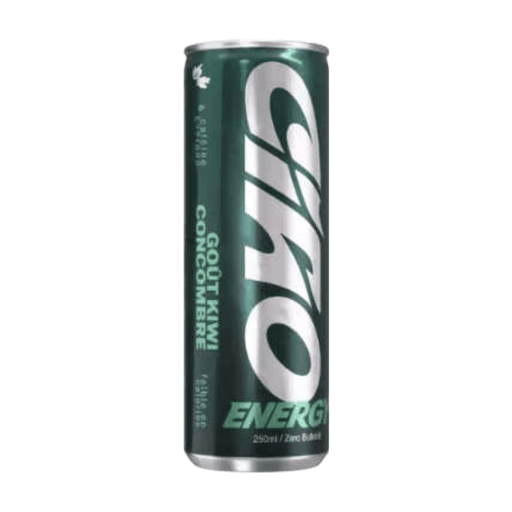
Why this suits this profile: Its kiwi-cucumber duo is a refreshing change from the usual cola or citrus flavours and should appeal to anyone who likes to think outside the box.
The 25cl format makes it easy to compare portions, while the product page shows 43kcal per can.
Caffeine from coffee and guarana, 4g of sugar per 100ml and vitamins B3, B6 and B8 as stated on the product page.
We’ve put together a comprehensive, real-time selection of products that meet these exacting standards, in line with European safety regulations.
It all depends on the brand and the size. Some recipes show 30 to 32mg/100ml, which works out at around 75 to 80mg in a 25cl can and up to 160mg in a 50cl can. Check the label before every purchase: two products with the same name can have different volumes.
No. The “sugar-free” label mainly refers to carbohydrates and sugars, not caffeine. The Monster Ultra range, for example, can show 0g of sugar while still listing 30mg of caffeine per 100ml. The nutrition table and the high caffeine content statement will help you verify the ingredients.
Store unopened cans in a cool, dry place away from light, and always respect the date printed on the packaging. Once opened, the product pages generally recommend drinking immediately or within the day. If you’re planning to stock up for an office or an event, check the best-before date and the available storage space before choosing a large pack.