
Livraison le jour même ou le lendemain

Qualité garantie

Débloquez vos offres de bienvenue: Livraison GRATUITE | Jusqu'à -80 % | 30 jours d'essai gratuits à JoyPlus
Téléchargez l'application
Buying energy and vitamin drinks in a pack helps bring down the cost per unit and means you don’t have to reorder as often. But the packaging and marketing claims alone aren’t enough to make the right choice. Whether it’s a sugar-free energy drink, a lemon-flavoured vitamin drink or a fruity can containing caffeine, both the uses and the ingredients can vary enormously.
Before you order, keep three pitfalls in mind:
To compare a sugar-free energy drink, start by looking at the nutritional information per 100 ml, then scale the values up to the actual volume of the can or bottle. A 500 ml can may contain five times the amounts listed for 100 ml.
Sugar-free options typically show 0 g of sugars and a very low energy value. This is the case for certain drinks like Red Bull Sugar-Free, Celsius and Vitamin Well Zero. That doesn’t mean they’re free from sweeteners: sucralose, acesulfame-K and other agents may appear in the ingredients list.
On the other hand, fruity drinks aren’t necessarily sugar-free. AriZona Energy Watermelon and Much Mango show 11 g of sugars per 100 ml – a figure worth bearing in mind for a 500 ml can. Joker Lemon & Lime, meanwhile, contains 2.9 g of sugars per 100 ml, despite the “no added sugars” claim on the label.
The “contains caffeine” label deserves close attention. Celsius and Monster Norris list around 32 mg of caffeine per 100 ml. A 355 ml can therefore provides roughly 114 mg of caffeine, while a 500 ml format gives nearly 160 mg, depending on the stated concentration.
NOCCO Lemon Del Sol has 105 mg of caffeine per 330 ml can. This drink also contains BCAA and several vitamins, but these ingredients don’t replace a varied and balanced diet.
In the European Union, drinks exceeding 150 mg of caffeine per litre must carry a warning about their high caffeine content, along with advice for children and pregnant or breastfeeding women. Always check the label on the product you receive and take all your sources into account – including coffee, tea, soft drinks and supplements.
A pack of energy drinks in 250 ml cans is handy for occasional consumption and stores easily. The 500 ml formats give you more drink, but they take up more space and may encourage you to consume a large amount in one go.
For a bottled vitamin drink, storage after opening also matters. Joker needs to be refrigerated after opening and consumed within three days. Vitamin Well Zero, on the other hand, should be kept in the fridge after opening and drunk within 24 hours, according to the information provided.
These products aren’t all aimed at the same uses. The comparison below is based on the formats, nutritional values and ingredients listed on their product pages.
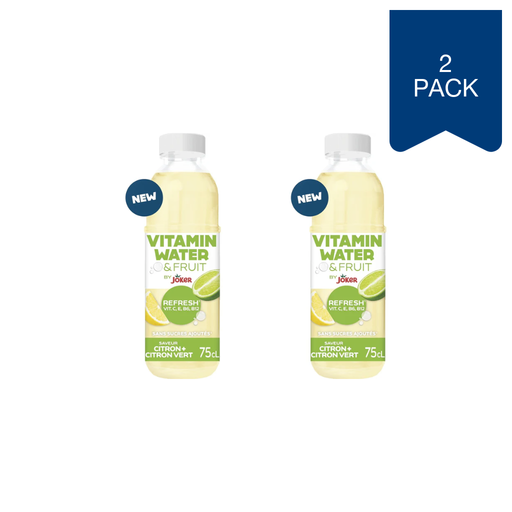
Why this suits this profile: with its 2 bottles of 75 cl, this pack lets you try a fruity vitamin drink without committing to a large stock of cans straight away.
The product page states no added sugars and only 13 kcal per 100 ml, while noting 2.9 g of sugars coming partly from concentrated juices.
20 % fruit content declared, vitamins C, B6, B12 and folates, with no caffeine mentioned in the listed ingredients.
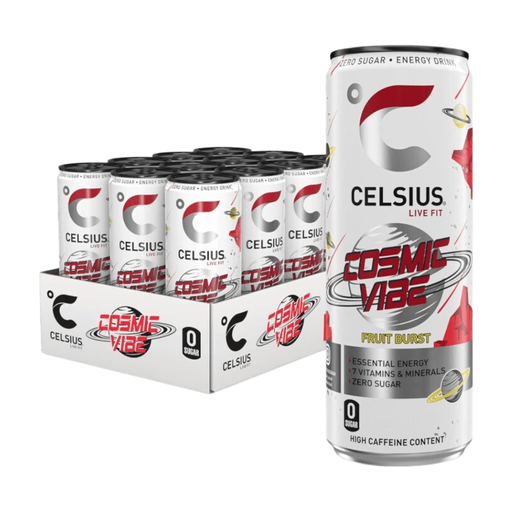
Why this suits this profile: its pack of 12 cans and fruit punch flavour are aimed at those looking for a calorie-free energy drink to stock up at home.
The product page clearly states the presence of caffeine, as well as green tea and guarana extracts – so don’t choose this product based on the “sugar-free” claim alone.
0 g of sugars per 100 ml, around 2 kcal per 100 ml and a formula enriched with several vitamins.
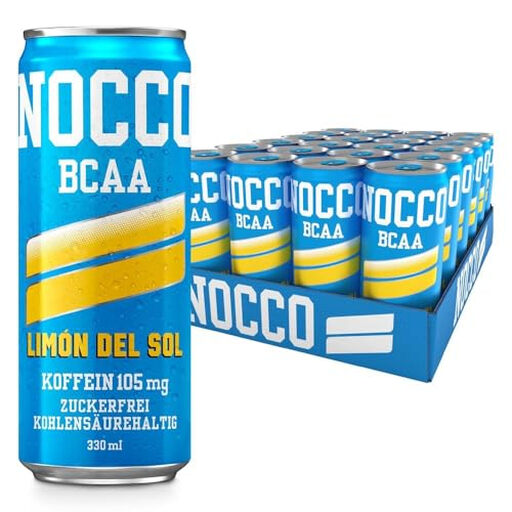
Why this suits this profile: with its 24 cans of 330 ml, this pack is ideal for people who organise their shopping around workouts or a busy lifestyle.
The caffeine content is clearly stated: 105 mg per can. This benchmark helps you manage your intake better than relying on the “functional” claim alone.
0 g of sugars and 0 g of fat per 100 ml, with 2,500 mg of BCAA per can according to the product page.
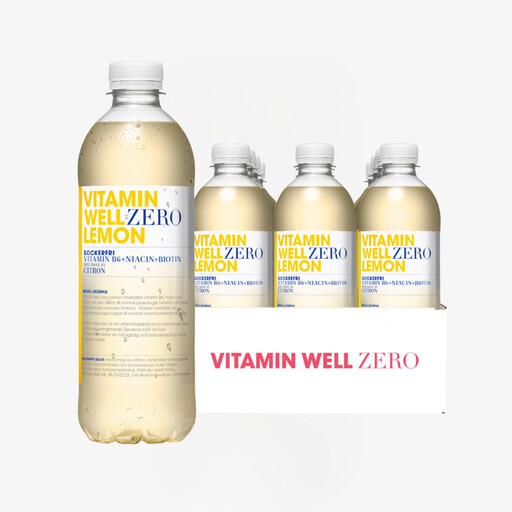
Why this suits this profile: this pack of bottles, with no caffeine mentioned, is ideal for anyone wanting a sugar-free lemon drink for the office, on the go or at home.
The product page states 0 kcal, 0 g of carbohydrates and 0 g of sugars per 100 ml – making the comparison with sugary fruity drinks immediate.
50 cl bottles, vitamins C, D, B6, B12, niacin and folic acid, with packaging described as made from recycled plastic.
We’ve put together a comprehensive, real-time selection of products that meet these strict criteria and comply with European safety regulations.
No. The absence of sugar doesn’t tell you the caffeine content. Some sugar-free vitamin drinks, like Vitamin Well Zero according to its product page, don’t list any. Other sugar-free options, such as Celsius, Red Bull Sugar-Free and NOCCO, do contain it. Always check the amount stated per can.
Unopened cans are generally best kept in a cool, dry place away from light, and should be used by the date on the packaging. Once opened, bottles often need to be refrigerated and consumed quickly. Instructions can vary from one product to another.
Not necessarily. Compare the price per litre and the price per unit, then consider how much you actually drink. A pack of 24 cans can be good value for regular use, while a pack of 2 bottles reduces the risk of being stuck with a flavour you don’t like.