
Livraison le jour même ou le lendemain

Qualité garantie

Débloquez vos offres de bienvenue: Livraison GRATUITE | Jusqu'à -80 % | 30 jours d'essai gratuits à JoyPlus
Téléchargez l'application
Buying an energy drink multipack saves you from having to restock constantly and means you always have a few cans on hand. But a deal that looks good on paper can quickly become unsuitable if the flavour starts to wear thin, the caffeine content is too high, or the cans take up half your cupboard space.
Before you place an order, three common mistakes keep cropping up:
The value shown on the label needs to be considered against the amount you actually drink. A 50 cl can containing 30 mg of caffeine per 100 ml delivers around 150 mg of caffeine. By comparison, a NOCCO can with 180 mg per 33 cl falls into a much more concentrated category.
Highly caffeinated drinks are intended for people aged 16 and over, in line with the restrictions stated on product pages. They are not recommended for children, pregnant or breastfeeding women, or anyone sensitive to caffeine. Also avoid combining several sources of caffeine over a short period, and always check the label before consuming.
A sugar-free energy drink may contain sucralose, acesulfame-K or other sweeteners. If you're looking for a zero-sugar energy drink, check the "carbohydrates – of which sugars" line rather than relying on the colour of the can.
On the other hand, fruity recipes can contain juice, sugar or glucose syrup. MONSTER ENERGY Monarch Juiced, for example, states 5% juice from concentrate and 10 g of sugars per 100 ml. With a 50 cl can, the total sugar content becomes something to factor into your daily intake.
33 cl and 50 cl energy drinks suit different habits. The 33 cl format slips easily into a bag and helps you limit how much you consume in one go. The 50 cl format works better for those who prefer a larger can, but it means you need to pay closer attention to the total caffeine and sugar content.
For sport, also make the distinction between:
A vegan energy drink may suit certain dietary requirements, but always check the full ingredients list and allergen information.
The products below are suited to different uses. The caffeine amounts, sugar content and volumes are taken from the information available on the product pages.
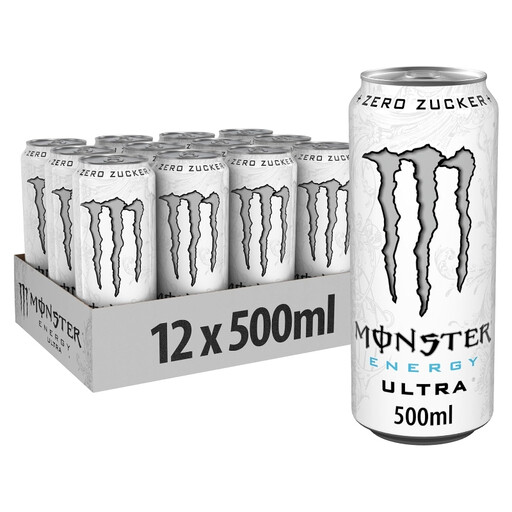
Why this choice suits this profile: This pack of 12 x 50 cl cans is aimed at those who want to go with a well-known option, with a light, citrusy flavour and a sugar-free recipe.
The absence of sugar is clearly highlighted, but the product page also states 150 mg of caffeine per can: this choice isn't based solely on taste or calorie count.
Pack of 12 x 50 cl, sugar-free recipe and light citrus profile.
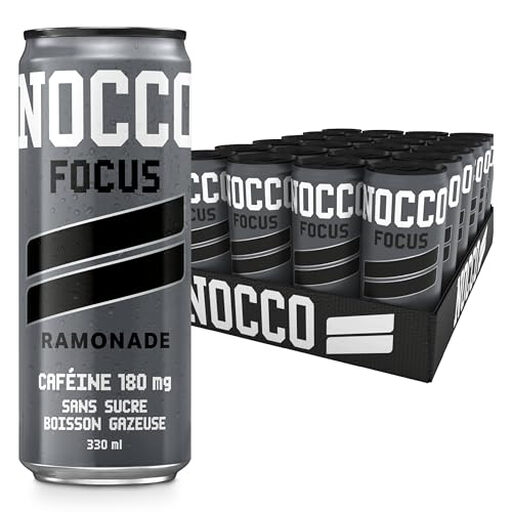
Why this choice suits this profile: This format is aimed at consumers looking for a functional drink enriched with BCAA and vitamins, with a clearly stated caffeine content.
The product page details the composition: 3,000 mg of BCAA, 180 mg of caffeine per can, zero sugar and no declared allergens.
24 cans of 33 cl, a vegan and gluten-free recipe, plus six vitamins.
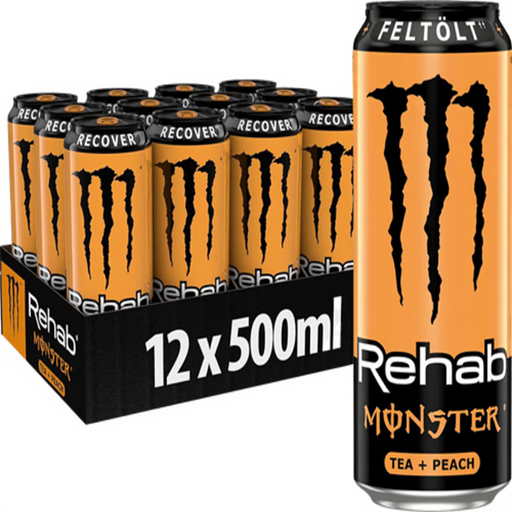
Why this choice suits this profile: Its still, peach-tea-based recipe with electrolytes and coconut water may appeal to those who prefer a different texture from fizzy drinks.
The presence of electrolytes doesn't mean the caffeine disappears: the product page states 160 mg per can and 2.1 g of sugars per 100 ml.
50 cl format, still drink, peach tea, electrolytes and 25 kcal stated per can.
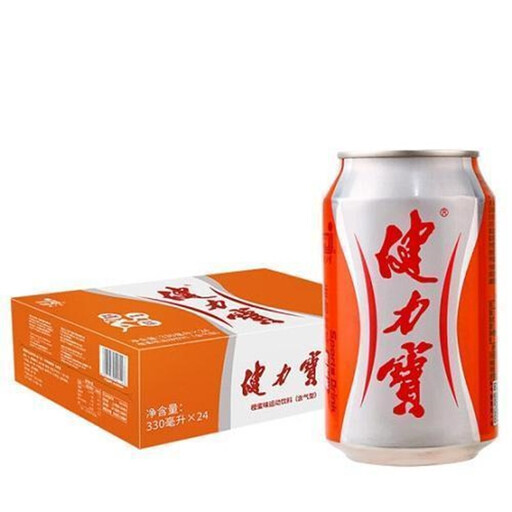
Why this choice suits this profile: This orange-flavoured sports drink is designed to support hydration during or after exercise, without falling into the caffeinated drink category.
The product page clearly distinguishes hydration from a stimulant effect: the recipe contains sugar, sodium and potassium, with no caffeine stated.
24 cans of 33 cl, orange flavour, sodium and potassium, for 99 kcal stated per can.
We've put together a comprehensive, real-time updated list of products that meet these strict selection criteria and European safety regulations.
No, but it often does. The "sugar-free" claim refers to the sugar content, not the amount of caffeine. Check the dose per can, especially with 50 cl formats. A sugar-free recipe can still be highly caffeinated.
Unopened cans keep until the date printed on the packaging, in a cool, dry place away from sunlight. Once opened, most products should be consumed quickly. Drinks sold in bottles or pouches may need to be refrigerated after opening, depending on the manufacturer's instructions.
Not necessarily. Compare the price per litre, the size of each can and the best-before date. A pack of 24 x 33 cl contains 7.92 litres, compared with 6 litres for a pack of 12 x 50 cl. The total volume lets you measure the real price difference and avoid buying more than you'd normally consume.