
Livraison le jour même ou le lendemain

Qualité garantie

Débloquez vos offres de bienvenue: Livraison GRATUITE | Jusqu'à -80 % | 30 jours d'essai gratuits à JoyPlus
Téléchargez l'application
Buying energy drinks in multipacks often brings down the price per can and saves you from making repeat purchases. But the best deal on paper isn’t always the one that suits your consumption habits best. A flavour you tire of, a high caffeine content or a bulky format can quickly turn a bargain into an impractical buy.
Before you fill your basket, three pitfalls deserve your attention:
Caffeine is the first indicator to examine for a caffeinated energy drink. Product pages often list the content per 100 ml: you then need to calculate it against the actual can volume.
For example, the CELSIUS Strawberry & Passion Fruit pack shows 32 mg of caffeine per 100 ml. A 355 ml can therefore contains around 114 mg of caffeine. Monster brands typically list 30 to 32 mg per 100 ml, depending on the recipe, while the NOCCO Lemon Del Sol pack states 105 mg per 330 ml can.
In Europe, drinks containing more than 150 mg of caffeine per litre must carry a warning about their high caffeine content and advise against consumption by children and pregnant or breastfeeding women. Also check the recommendations on the packaging. If you’re sensitive to caffeine, caution is key: avoid combining coffee, tea, supplements and energy drinks without considering your total intake.
A zero-calorie energy drink or a sugar-free vitamin drink can suit people looking to limit their sugar intake. But be aware: “sugar-free” doesn’t mean “sweetener-free”. Sucralose, acesulfame K and other ingredients can alter the taste and may not suit everyone’s preferences.
By comparison, Monster Ultra Strawberry Dreams claims 0 g sugar and 2 kcal per 100 ml, while AriZona Energy Watermelon and AriZona Mucho Mango show 11 g sugar and 45 kcal per 100 ml. These are more suited to fans of fruity, sweet drinks than to those wanting to reduce their sugar intake.
The Red Bull Sugar-Free 24 × 250 ml pack also states 0 g sugar and 2 kcal per 100 ml. To compare offers properly, look at both the values per 100 ml and the total volume of the pack.
A pack of 12 × 500 ml cans contains 6 litres of drink. That takes up more space than a pack of 24 × 250 ml cans, even though the total volume is the same. Smaller formats make it easier to control how much you consume each time. Larger cans can work for sipping throughout the day — without exceeding the recommendations on the label.
Also check the storage conditions, best-before date and instructions after opening. Cans should generally be kept in a cool, dry place away from light. An opened can should be consumed quickly and shouldn’t sit in the fridge for several days without following the manufacturer’s guidance.
The products below were chosen according to verifiable criteria: volume, sugar content, declared caffeine amount, presence of vitamins and pack format.
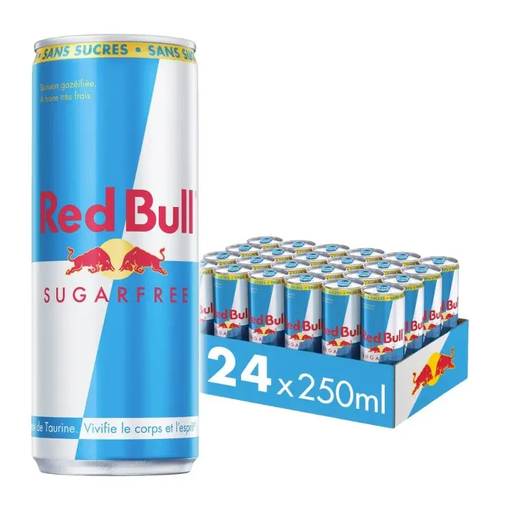
Why this choice suits this profile: The individual 250 ml format helps you control your intake, while the 24-can pack lets you build up a home supply.
The product page states 0 g sugar and 2 kcal per 100 ml, so you won’t mistake a sugar-free recipe for a sugary drink. The caffeine content still needs to be considered, though.
Pack of 24 × 250 ml, declared sugar-free and enriched with B vitamins according to the product page.
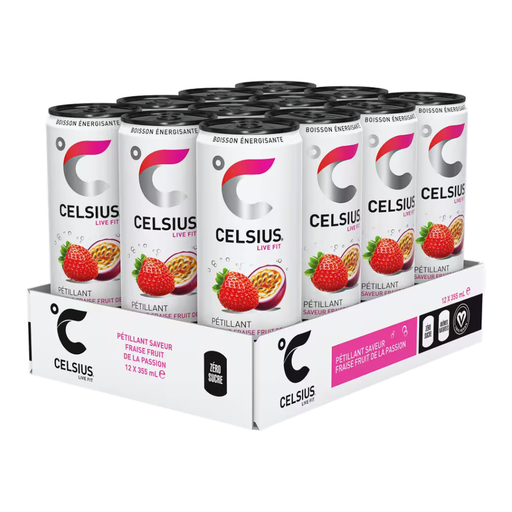
Why this choice suits this profile: Its 355 ml format and strawberry-passion fruit flavour will appeal to those looking for a fruity, sugar-free recipe with a detailed vitamin list.
The nutritional values show 0 g sugar and 3 kcal per 100 ml. With 32 mg of caffeine per 100 ml, its high content must still be factored into your daily total.
12 cans of 35.5 cl, sugar-free, with vitamins C and B as well as extracts of guarana, green tea and ginger.
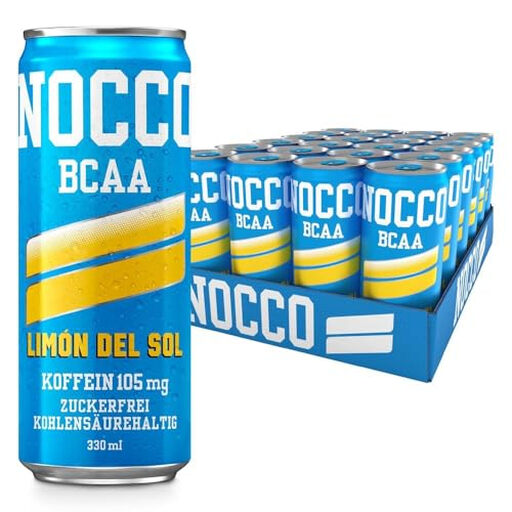
Why this choice suits this profile: The 24-can pack is aimed at regular consumers, particularly around fitness sessions or during especially demanding days.
The product page clearly distinguishes between caffeine, BCAAs and vitamins. That helps you avoid mistaking a drink designed to accompany physical activity for a simple hydration drink.
24 × 330 ml, 0 g sugar, 105 mg caffeine and 2,500 mg BCAAs per can as stated.
We’ve put together a complete selection, updated in real time, of products that meet these strict criteria as well as European safety regulations.
Before opening, keep the cans in a cool, dry place away from light. Check the date on the packaging. After opening, put the drink in the fridge and follow the recommended time given by the manufacturer, which can vary depending on the product.
It can help reduce your sugar intake, but it may still contain caffeine and sweeteners. Check the content per can, add up any other sources of caffeine you consume during the day and follow the warnings on the label. For everyday hydration, water remains the benchmark.
Not necessarily. Compare the price per litre, the number of cans and the volume of each unit. A pack of 24 small cans can prove more practical than a pack of 12 large ones, even when the total volume is similar. Also consider the storage space you have available and how quickly you actually drink them.