
Livraison le jour même ou le lendemain

Qualité garantie

Débloquez vos offres de bienvenue: Livraison GRATUITE | Jusqu'à -80 % | 30 jours d'essai gratuits à JoyPlus
Téléchargez l'application
Buying an energy drink multipack seems straightforward… until you receive a crate that’s too sweet, too high in caffeine, or filled with a flavour you tire of after a few cans. Between the promises of “natural” energy, the different sizes and the fortified formulas, the label remains your best tool for comparison.
Here are the points to check before buying an energy drink multipack for work, study, travel or sport.
A sugar-free energy drink can easily contain a lot of caffeine. Removing the sugar doesn’t automatically lower the amount of stimulants. Some products contain 180 mg of caffeine per 33 cl can, while others stick to around 105 mg per can.
So take the time to check the “sugars” and “caffeine” lines separately. A 50 cl can may also deliver more caffeine overall than a 25 cl can, even if the concentration per 100 ml looks similar.
Caffeine from coffee, green tea or guarana tells you about its origin, but it doesn’t guarantee a gentler drink or one that better suits your habits. To compare on a concrete basis, look first at the amount of caffeine per can, rather than just the origin highlighted on the packaging.
A pack of 24 x 25 cl cans contains 6 litres, compared to 7.92 litres for 24 x 33 cl cans. Conversely, a crate of 12 x 50 cl cans also contains 6 litres. The number of cans alone isn’t enough to compare the price or work out how much cupboard space you’ll need.
Also think about the best-before date, storage conditions and the space you have available.
In France and the European Union, drinks containing more than 150 mg of caffeine per litre must display a warning about their high caffeine content, along with the amount expressed in mg per 100 ml. This information allows you to compare drinks of different sizes.
For reference, the product sheets for some items show the following values:
Always check this data on the packaging you receive: recipes and distribution markets can change.
If you’re planning regular consumption, check the amount of carbohydrates “of which sugars” per can, not just the slogan on the front. The CIAO ENERGY products mentioned here offer a reduced-sugar formula, with 10 g of sugars and 43 kcal per 25 cl can.
Sugar-free recipes, such as several NOCCO or Monster Ultra drinks, contain sweeteners. They may suit people who want to limit their sugar intake, but their taste can differ from that of regular drinks. If you have particular sensitivities, also read the full ingredients list.
An energy drink with BCAA may contain leucine, isoleucine and valine. The NOCCO Peachy Mango, Ramonade, Apple and Tropical products state 3,000 mg of BCAA per 33 cl can, while NOCCO Lemon Del Sol contains 2,500 mg.
These figures describe the product’s composition, but they don’t on their own guarantee sporting results or improved performance. When choosing an energy drink for sport, also consider the volume, caffeine, sweeteners and your own tolerance.
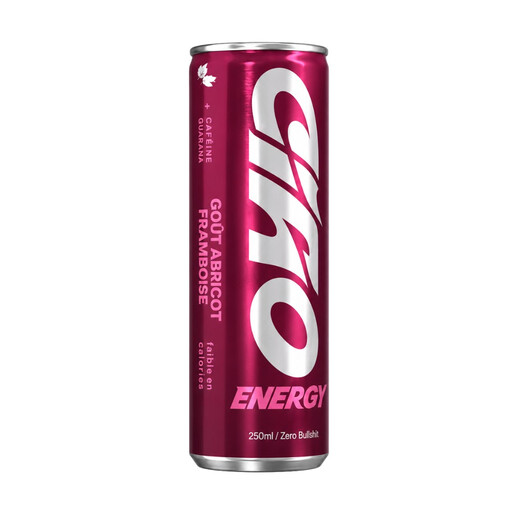
Why this choice suits this profile: With its 25 cl cans, this multipack helps you control your portions. Its fruity flavour also offers a change from more classic recipes.
The product sheet states 43 kcal and 10 g of sugars per can, so you can accurately assess this reduced-sugar formula.
A pack of 24 cans, caffeine from coffee and guarana, plus vitamins B3, B6 and B8 as listed on the product sheet.
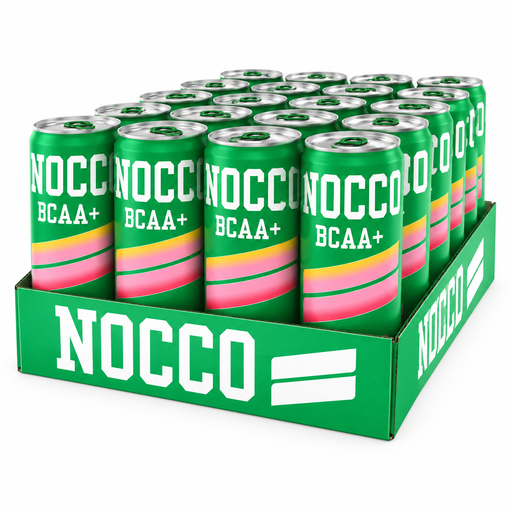
Why this choice suits this profile: This product targets buyers who want a detailed composition, no sugar, a peach-mango flavour and a high dose of BCAA.
The product sheet clearly distinguishes the absence of sugar, the 180 mg of caffeine and the 3,000 mg of BCAA per 33 cl can.
Only 15 kcal per can, a sugar-free and fat-free formula, a lightly carbonated drink and a pack of 24 × 33 cl.
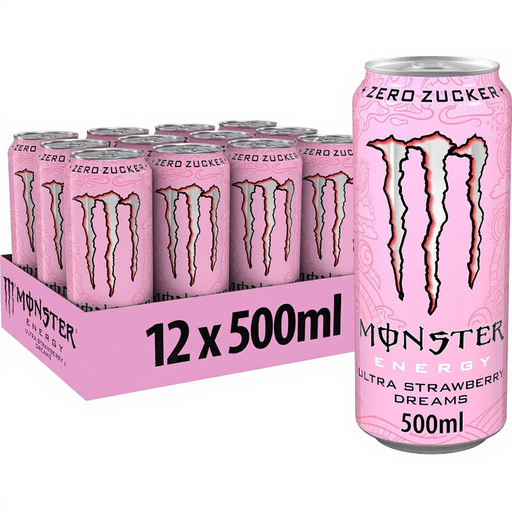
Why this choice suits this profile: The large cans are handy for stocking up at home or in the office. This variant focuses on a fruity flavour and a sugar-free recipe.
With 30 mg of caffeine per 100 ml, the stated level lets you calculate the total amount in the 50 cl can before ordering.
Zero sugar stated, 2 kcal per 100 ml, strawberry flavour and a pack of 12 cans, giving 6 litres in total.
We’ve selected a full range, updated in real time, of products that meet these exacting criteria and European safety regulations.
Store the cans in a cool, dry place away from direct light. Once a can is opened, drink it promptly and follow the manufacturer’s recommendations. Avoid leaving an opened can for several days in a bag or on a desk.
Highly caffeinated drinks are not recommended for children, pregnant or breastfeeding women, or people sensitive to caffeine. Also avoid mixing them with alcohol. When doing sport, water remains essential for hydration: an energy drink is not a substitute for water or a balanced diet.
It depends entirely on the brand and size. The product sheets shown indicate 105 mg or 180 mg per NOCCO 33 cl can, and around 150 mg for a Monster Ultra Strawberry Dreams 50 cl can. Always check the value per 100 ml and the total amount per can.
Before opening, respect the date on the packaging and the recommended storage conditions. A pack of 24 x 25 cl or 33 cl cans can last several weeks, depending on how quickly you drink them. After opening, it’s best to drink the can quickly and keep it in the fridge if the label recommends it.
A sugar-free energy drink can suit people who want to reduce their sugar intake, but it sometimes contains sweeteners and caffeine. To choose a suitable formula, compare the ingredients list, the volume and the caffeine content with your actual usage.