
Livraison le jour même ou le lendemain

Qualité garantie

Débloquez vos offres de bienvenue: Livraison GRATUITE | Jusqu'à -80 % | 30 jours d'essai gratuits à JoyPlus
Téléchargez l'application
Buying an energy drink multipack often helps reduce the price per can and makes it easy to stock up at the office, at home, or for an event. But a promotion on a bulk pack doesn't always guarantee the best choice. Size, caffeine, sugar and flavour all deserve a proper comparison before you commit to buying a multipack of energy drinks.
A pack of 12 cans of 50 cl contains more drink than a pack of 24 cans of 25 cl. It also takes up more space, and each can may contain twice as much caffeine and sugar. To compare offers on a fair basis, start by calculating the price per litre, then check the amounts per serving.
A sugar-free energy drink can contain sweeteners and still have a high caffeine content. Removing the sugar doesn't turn the drink into something you can consume without moderation. Always check the line for "caffeine" as well as any warnings on the label.
A fruity name doesn't necessarily mean the drink contains a lot of juice. Monster Juiced Viking Berry, for example, states 5% fruit juice from concentrates, while other products rely mainly on flavourings. Kiwi, watermelon, peach or red berry flavours should therefore be compared against the ingredients list.
Most of the products featured here contain between 30 and 32 mg of caffeine per 100 ml. A 25 cl can therefore provides around 75 to 80 mg of caffeine, while a 50 cl format can reach 150 to 160 mg depending on the recipe.
In France and the European Union, drinks containing more than 150 mg of caffeine per litre must carry a label stating their high caffeine content, along with a specific warning. That's a useful piece of data for comparing an energy drink with your usual coffee consumption or other sources of caffeine.
First compare the values per 100 ml, then scale them up to the whole can. Red Bull Regular states 11 g of sugars per 100 ml, which is 27.5 g for a 25 cl can. By contrast, Monster Reserve Pineapple claims 0 g of sugars and 11 kcal per 50 cl can, according to the information provided.
Ciao Energy drinks show 4 g of sugars per 100 ml, which is 10 g per 25 cl can. Their recipe is described as reduced in sugar and contains steviol glycosides. That doesn't mean every product in the range has exactly the same composition: check the listing for the flavour you choose.
Store the cans in a cool, dry place away from heat and direct sunlight. Once opened, follow the manufacturer's recommendations and consume promptly.
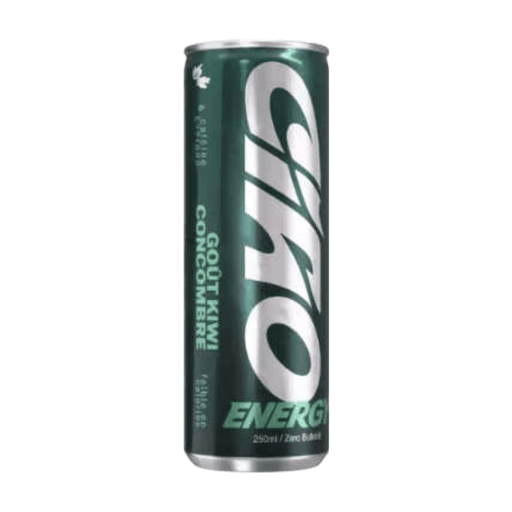
Why this choice suits this profile: The 25 cl format helps you control how much you consume, while the pack of 24 is ideal for a shared office stash or an event.
The listing states 43 kcal and 10 g of sugars per 250 ml can. So there's no risk of mistaking a small can for a sugar-free recipe.
A kiwi-cucumber flavour, caffeine from coffee and guarana according to the listing, 25 cl cans and vitamins B3, B6 and B8 as stated.
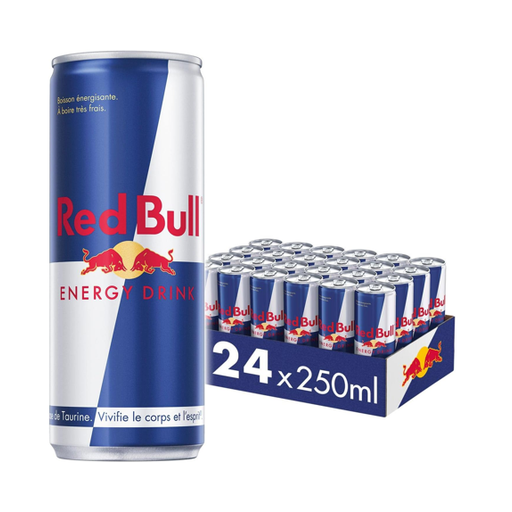
Why this choice suits this profile: This pack relies on a well-known brand and a consistent format. It's ideal for those who want to stock up for meetings or travel.
The 25 cl format limits the serving per can, while the label clearly states 27.5 g of sugars and around 80 mg of caffeine per unit.
A pack of 24 cans, 32 mg of caffeine and 11 g of sugars per 100 ml according to the nutritional information provided.
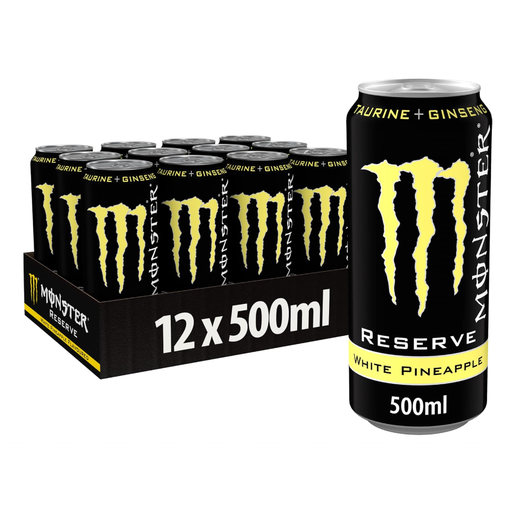
Why this choice suits this profile: The 50 cl cans are ideal for situations where you want a more generous serving, whether for stocking up at home or getting through a busy day.
The recipe is advertised as sugar-free, but the listing specifies 150 mg of caffeine per 500 ml can: the size and caffeine content still need to be considered.
A pineapple flavour, 0 g of sugars and 11 kcal per can according to the listing, with taurine, caffeine, ginseng and B vitamins in the ingredients.
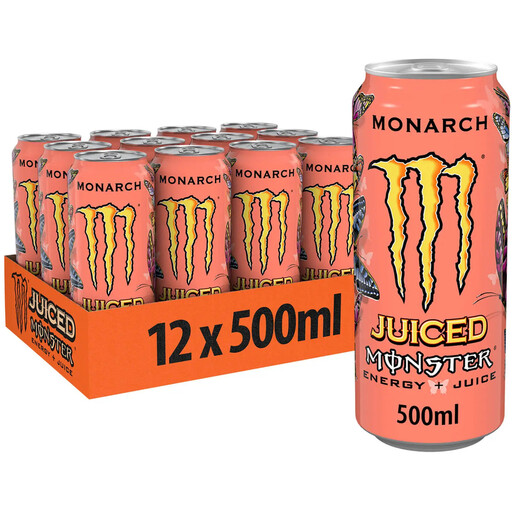
Why this choice suits this profile: Its blend of peach, nectarine and other fruits from concentrates is aimed at those who want to move beyond classic flavours.
The listing explicitly states 5% fruit juice from concentrates and 10 g of sugars per 100 ml, allowing for a more transparent comparison.
A pack of 12 cans of 50 cl, 32 mg of caffeine per 100 ml and a fruity profile detailed in the ingredients list.
We've rounded up the products that meet these demanding selection criteria and comply with European safety regulations, in a full list updated in real time.
At the same level per 100 ml, yes. A recipe with 30 mg per 100 ml provides around 75 mg of caffeine in 25 cl and 150 mg in 50 cl. However, always check the label, as formulas can vary by brand and flavour.
A pack of 24 cans of 25 cl makes distribution and portion control easier. Packs of 12 cans of 50 cl are better suited to individual use or a small group. In both cases, compare the price per litre, the best-before date and the storage conditions.
No. "Sugar-free" describes the sugar content, not the presence of caffeine. Monster Ultra Strawberry Dreams and Monster Reserve Pineapple are marketed as sugar-free, yet they still contain caffeine. People who are sensitive to caffeine, pregnant or breastfeeding women, and minors should take note of the warnings on the packaging. For casual sports enthusiasts, an energy drink does not automatically replace water or a drink designed for hydration.