
Livraison le jour même ou le lendemain

Qualité garantie

Débloquez vos offres de bienvenue: Livraison GRATUITE | Jusqu'à -80 % | 30 jours d'essai gratuits à JoyPlus
Téléchargez l'application
Are you looking for an energy drink to get you through a day of lectures, a workout or a long journey? With all the different sizes, flavours and marketing claims, the choice can quickly become overwhelming. “Natural boost”, sugar-free recipe or value pack – some essential information can sometimes get overlooked.
Before you fill your basket, here are the three most common pitfalls:
Caffeine is usually listed per 100 ml. To find out the actual amount in your can, simply multiply that figure by the volume.
Here are a few concrete examples:
In the European Union, drinks containing more than 150 mg of caffeine per litre must carry a label stating their high caffeine content, along with an appropriate warning. The label also includes recommendations for children, pregnant or breastfeeding women, and people sensitive to caffeine. Always take the time to read the packaging of the batch you receive – the composition of the same product can change.
A sugar-free energy drink isn’t necessarily caffeine-free. It may contain sucralose, acesulfame-K, erythritol or other sweeteners. Check each of the following separately:
For example, Monster Ultra Strawberry Dreams states 0 g of sugar and around 10 kJ (2 kcal) per 100 ml. By contrast, a drink containing 11 g of sugar per 100 ml works out at around 27.5 g per 250 ml can. A recipe described as “reduced sugar”, like some Ciao Energy products, is therefore not the same as a sugar-free drink.
25 cl cans are ideal for occasional consumption and avoid leaving a large opened can. 50 cl sizes are better suited to those who prefer a single can to sip over a longer period. As for packs of 12 or 24, they’re mainly worthwhile if you drink them regularly.
To compare two offers, calculate the price per litre and the price per can. A multi-pack is only good value if the quantity actually matches your consumption rate. Once opened, it’s best to drink the product quickly and follow the storage instructions given.
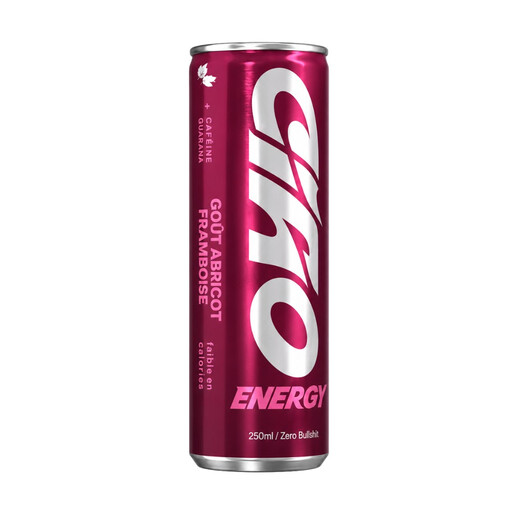
Why this choice suits this profile: Its 25 cl size is great for a first try, while the 24-can pack lets you plan your purchases. The recipe provides 43 kcal and 10 g of sugar per can.
The “reduced sugar” claim comes with detailed nutritional values – it shouldn’t be confused with “sugar-free”.
A fruity flavour combining apricot and raspberry, 250 ml per can, with caffeine from coffee and guarana extract.
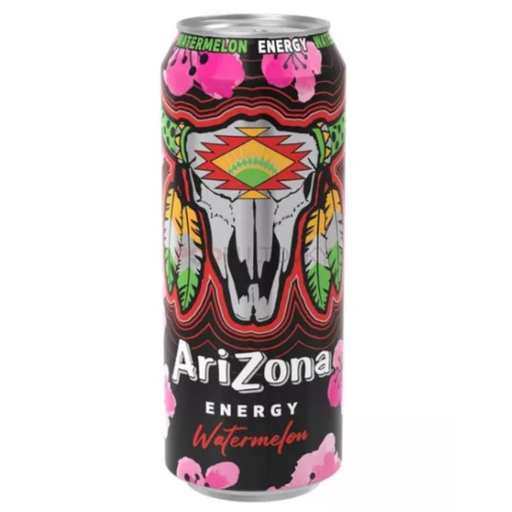
Why this choice suits this profile: This recipe combines watermelon, green tea and fruit juice. It’s aimed at drinkers who want to move away from classic flavours and prefer a fruity profile.
The 50 cl size and 45 kcal per 100 ml are clearly stated – so you won’t underestimate what a whole can contains.
A watermelon flavour, sparkling water, green tea extract, fruit juices and vitamins A and E, according to the product listing.
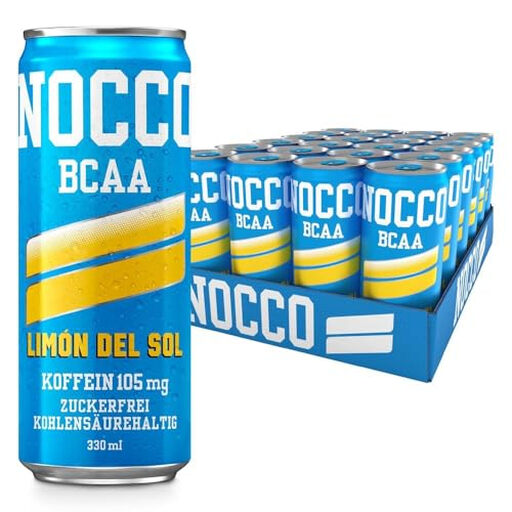
Why this choice suits this profile: Its 24-can pack of 330 ml cans is aimed at drinkers who have made an energy drink part of their sports routine or active lifestyle.
The listing states 0 g of sugar and 105 mg of caffeine per can – two figures to check separately before ordering.
A sugar-free lemon-flavoured recipe, with 2,500 mg of BCAA per can and six vitamins, according to the information provided.
For other profiles, the range also includes Red Bull, particularly in 25 cl cans or 24-can packs, as well as several Monster Energy recipes. The Monster Ultra versions have, depending on the product, a zero sugar content. Fruity recipes like Monarch or Viking Berry, on the other hand, contain juice and sugar – always check the values on the label.
We’ve put together a comprehensive, real-time selection of products that meet these criteria as well as European safety regulations.
It all depends on the volume and the recipe. A 250 ml can with 32 mg/100 ml contains around 80 mg of caffeine. A 500 ml size at 30 mg/100 ml reaches around 150 mg. Always look at the amount per can, not just the value per 100 ml.
It can be suitable for someone who wants to limit their sugar intake, but it often contains caffeine and sweeteners. It doesn’t replace water or a diet tailored to exercise. To choose an energy drink for sport, check the volume, caffeine content, carbohydrates and the recommendations on the packaging.
Before opening, follow the best-before date and the storage conditions stated on the can. Keep it in a dry place at a suitable temperature, away from heat and sunlight. Once opened, drink it quickly – for products that specify this, it’s best to consume it on the same day.