
Livraison le jour même ou le lendemain

Qualité garantie

Débloquez vos offres de bienvenue: Livraison GRATUITE | Jusqu'à -80 % | 30 jours d'essai gratuits à JoyPlus
Téléchargez l'application
Are you looking for an energy drink to keep you going through a busy day, a gaming session, a long journey or a sporting activity? With formats ranging from 150, 250 and 500 ml, and classic, fruity or sugar-free recipes, it's easy to feel overwhelmed. Brands like Red Bull, Monster Energy, Tiger and Carabao highlight caffeine, taurine and B vitamins, but these selling points alone aren't enough to compare two products.
Before buying a pack of energy drinks, keep three pitfalls in mind:
The most useful information is usually given in milligrams per 100 ml, then calculated against the total volume of the can. A recipe with 32 mg of caffeine per 100 ml provides around 80 mg per 250 ml can. Meanwhile, a 500 ml can with 30 mg per 100 ml delivers roughly 150 mg.
This difference matters for active adults, students, professionals or drivers who want to manage their intake throughout the day. In France and the European Union, drinks with high caffeine content must carry a specific warning, particularly when they exceed 150 mg of caffeine per litre.
Before choosing an energy drink, check the label:
A classic recipe often contains sugar and glucose. For example, some 250 ml Red Bull cans contain around 27.5 g of sugars and roughly 110 to 115 kcal per can. You should consider these figures in relation to your usage and the other drinks you consume during the day.
Sugar-free versions, such as certain Monster Ultra products, have a reduced energy value but may contain sucralose, acesulfame-K or other sweeteners. The choice therefore depends on your taste and how much attention you pay to sugar. "Sugar-free" does not mean caffeine-free.
The 250 ml format is handy for controlling your portion and slipping an energy can into your bag. 500 ml formats are more suited to those who prefer to drink gradually, but they often concentrate a larger amount of caffeine in a single can.
Take the time to read the ingredients list: caffeine, taurine, B vitamins, guarana or ginseng extracts, acidity regulators, colourings and flavourings. A fruit-flavoured energy drink may contain juice, concentrates or simply fruity flavours. The colour and name of the flavour aren't enough to determine the actual fruit content.
To store your cans properly, keep them in a cool, dry place away from direct light. Once opened, refrigerate the drink if needed and consume it quickly, following the instructions on the packaging. Avoid mixing a high-caffeine drink with alcohol, and don't use it as a replacement for water during exercise.
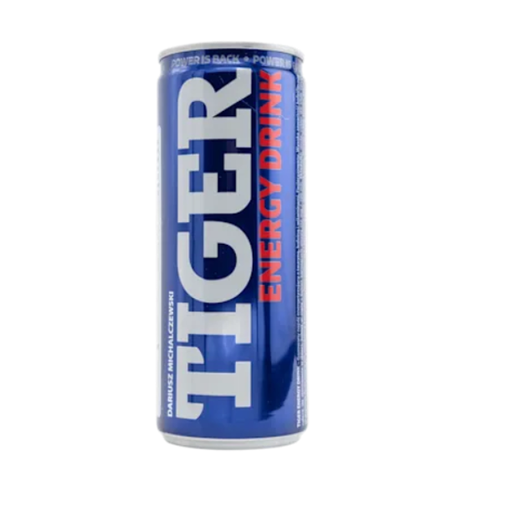
Why this choice suits this profile: Its 250 ml format lets you start with a clearly defined portion, without committing to a large pack straight away.
The smaller volume reduces the risk of choosing a large can without first checking your caffeine tolerance.
The product states 30 mg of caffeine per 100 ml and contains taurine as well as B vitamins.
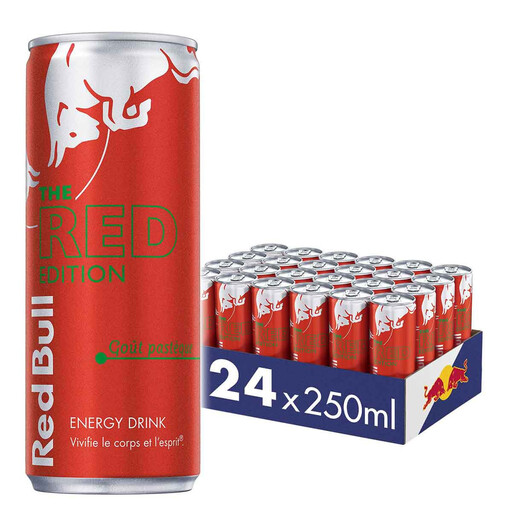
Why this choice suits this profile: This pack of 24 cans is ideal for households, offices and users who enjoy a fruity flavour and want to stock up.
The volume of each can is clearly stated, which avoids confusing a large pack with a lighter individual portion.
Each 250 ml can provides around 80 mg of caffeine, with a recipe based on taurine and B vitamins.
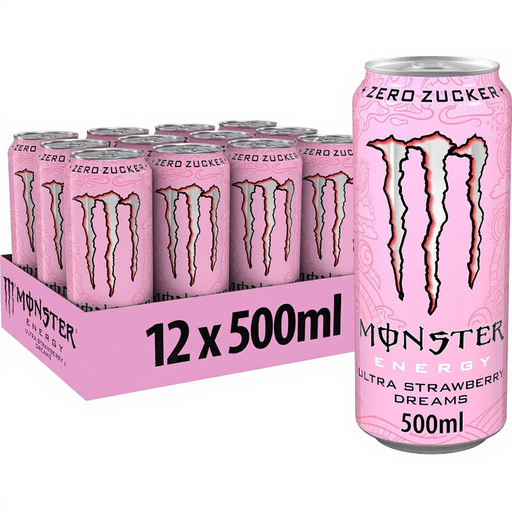
Why this choice suits this profile: The 500 ml format and pack of 12 are ideal for long gaming sessions, working days or bulk purchases.
The product page clearly distinguishes the absence of sugars from the presence of caffeine: it's still essential to monitor how much you consume.
The Strawberry Dreams recipe states 0 g of sugars and around 30 mg of caffeine per 100 ml, with a strawberry flavour.
In everyday language, both terms are often used to refer to an energy drink containing caffeine. However, you shouldn't confuse it with a sports drink or an isotonic drink, whose composition and nutritional purpose can be very different. Always check the ingredients list and the nutritional information table.
Yes. Removing the sugar doesn't mean removing the caffeine. A sugar-free recipe can still contain taurine, B vitamins, sweeteners and a high amount of caffeine. Look at the amount stated per can rather than relying solely on the marketing name.
Store unopened cans in a cool, dry place away from sunlight and heat sources. Before buying a large pack, check the date on the packaging and make sure you have enough storage space. Once opened, consume the drink quickly and follow the manufacturer's instructions.