
Livraison le jour même ou le lendemain

Qualité garantie

Débloquez vos offres de bienvenue: Livraison GRATUITE | Jusqu'à -80 % | 30 jours d'essai gratuits à JoyPlus
Téléchargez l'application
An energy drink can see you through a busy day, a study session or a long journey. But the packaging doesn’t always tell the full story. A promise of “fruity”, “sugar-free” or “made with plant extracts” isn’t enough on its own to compare two cans.
Before you buy a pack, three common pitfalls keep cropping up:
European labels usually show the caffeine content in mg/100 ml. To work out how much you’ll actually drink, multiply that figure by the volume of the can.
A drink with 30 mg/100 ml therefore contains around 150 mg of caffeine in a 500 ml can. Some Monster varieties list 32 mg/100 ml, which is about 160 mg for 500 ml. By comparison, the 250 ml Red Bull can in our selection provides roughly 80 mg of caffeine.
The “high caffeine content” warning deserves your full attention. These drinks are not recommended for children, pregnant or breastfeeding women, or anyone sensitive to caffeine. Always check the packaging of the product you receive: the ingredients and regulatory information can change.
A sugar-free energy drink may contain sucralose, acesulfame-K or other sweeteners. That’s the case with several drinks in the Monster Ultra range, which show around 2 kcal per 100 ml according to their product listings.
On the other hand, fruity drinks like AriZona Much Mango or Watermelon list 11 g of sugars per 100 ml, which works out at about 55 g in a 500 ml can. Monster Monarch Juiced, meanwhile, shows 10 g of sugars per 100 ml. So a fruity taste doesn’t automatically mean a low sugar content.
The size should really match how you plan to use it:
Also remember to look at storage instructions, any potential allergens and ingredients like fruit juice, tea, guarana, taurine or ginseng. They tell you about the recipe, but they are not a medical guarantee of effectiveness.
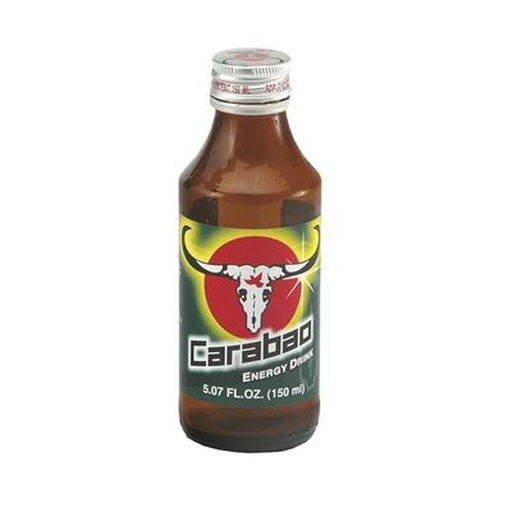
Why this choice suits this profile: Its small size lets you try an energy drink without jumping straight into a 500 ml can. The recipe contains taurine, caffeine, guarana and B vitamins.
The smaller volume makes it easier to compare this drink with others and avoids ordering a large pack before you’ve confirmed you like the taste.
150 ml size, carbonated drink and 14 g of sugars per 100 ml according to the product listing.
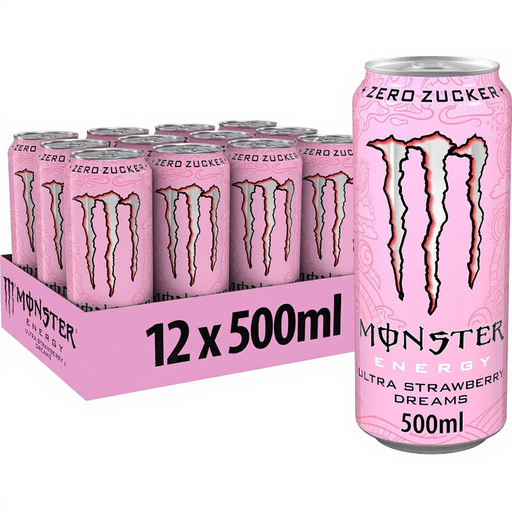
Why this choice suits this profile: This pack of 12 x 500 ml cans is aimed at those who want a fruity, sugar-free recipe and like to keep a stock at home.
The label clearly distinguishes the absence of sugars and the 2 kcal per 100 ml. The caffeine content, however, remains at 30 mg/100 ml.
Strawberry flavour, pack of 12 × 500 ml, sugar-free and 10 kcal per can according to the product listing.
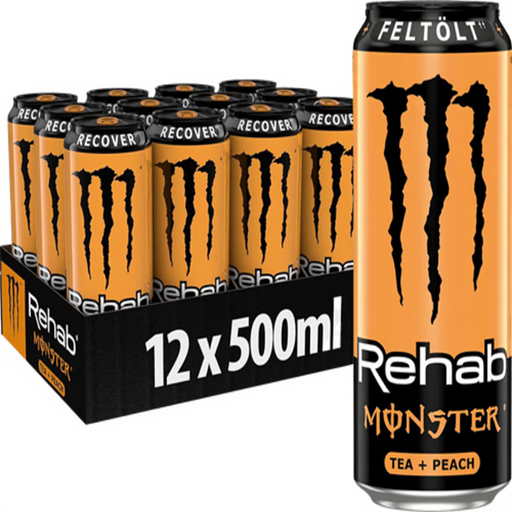
Why this choice suits this profile: Still, this peach tea recipe with coconut water and electrolytes could suit those who prefer a different texture during an active day.
The listing shows 160 mg of caffeine per 500 ml. That’s a figure to keep in mind so you don’t underestimate the total amount this large size provides.
Still drink, peach flavour and 25 kcal per can according to the information provided.
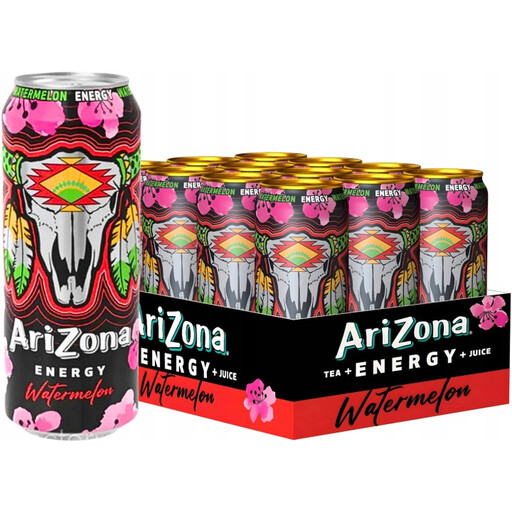
Why this choice suits this profile: This watermelon-flavoured energy drink combines sparkling water, fruit juice, green tea extract and caffeine.
The ingredients clearly state the presence of juice, while the label also shows 11 g of sugars per 100 ml.
Pack of 12 × 500 ml, watermelon flavour and 45 kcal per 100 ml according to the product listing.
We’ve put together a full, real-time updated selection of products that meet these strict criteria as well as European safety regulations.
Look at the “of which sugars” line, rather than just relying on the promise on the front. Monster Ultra Strawberry Dreams, Monster Ultra White and some other Ultra varieties show 0 g of sugars according to the listings provided. They still contain caffeine and sweeteners though. So a sugar-free energy drink isn’t necessarily free of stimulants.
The best-before date is usually printed on the bottom of the can. Store the drinks in a cool, dry place away from sunlight, following the manufacturer’s recommendations. Once opened, several listings advise drinking the product quickly, sometimes on the same day. A can that is swollen or damaged, or that smells unusual, should not be consumed.
It all depends on your sensitivity to caffeine, the time of day you drink it and the specific recipe you choose. An energy drink is not a substitute for water or a diet suited to exercise. Check the total caffeine content, avoid mixing it with alcohol and follow the warnings on the label. According to some product listings, these drinks are intended for adults only, with a minimum age of 16 for the varieties in question.