
Livraison le jour même ou le lendemain

Qualité garantie

Débloquez vos offres de bienvenue: Livraison GRATUITE | Jusqu'à -80 % | 30 jours d'essai gratuits à JoyPlus
Téléchargez l'application
An energy drink can come in handy during a long day at work, a study session, on the road or out and about. But not all options are created equal, and they don't all meet the same needs. Whether it's 250 ml or 500 ml cans, fruity recipes, sugar-free versions or packs of 24, it's worth taking the time to read the label.
An energy drink might boast flavours of mango, watermelon, red berries or peach without actually containing a significant amount of juice. To find out the real fruit content, you need to check the ingredients list. Some recipes mention a percentage of concentrated juice, while others rely mainly on flavourings.
The phrase "with fruit" doesn't guarantee a high fruit content.
A 250 ml energy drink and a 500 ml one don't represent the same amount consumed. To compare offers properly, look at the price per litre, the number of cans in the pack and the amount of caffeine per unit.
A multipack of energy drinks can bring the price per can down. However, it's less worthwhile if you just want to try a flavour or avoid storing several litres of drink.
A sugar-free energy drink may contain sweeteners and a high amount of caffeine. The absence of sugar doesn't automatically make it suitable for everyone. Also check the warnings on the packaging, the can volume and the total amount of caffeine consumed in a day, taking into account coffee, tea and other caffeinated drinks.
In France and the European Union, drinks with a high caffeine content must display a specific warning when their content exceeds 150 mg per litre. The label must then state the caffeine content and specify that the product is not recommended for children or pregnant or breastfeeding women. The information on the packaging remains the reference, as recipes can change.
A few examples to help you navigate:
Always check the figures directly on the packaging: recipes and sizes can vary. Also avoid drinking several caffeinated drinks in a row without adding up their respective contents.
The "of which sugars" line is often more telling than just the calorie count. A classic recipe may contain around 10 to 11 g of sugars per 100 ml. In a 500 ml can, that means 50 to 55 g of sugars. A sugar-free or reduced-sugar formula can show a much lower energy value, while keeping its caffeine content.
Always compare the values per 100 ml and per can. This double reading helps you avoid underestimating the real intake from a larger size.
The 250 ml size slips easily into a bag and helps you better control how much you consume. The 500 ml size is more suited to people looking for a larger volume, but it can also double the amount of caffeine and sugar consumed.
For a one-off purchase, buying a single can lets you try a flavour without committing. For an office, a shared house or regular consumption, a multipack can be more practical. However, do check the best-before date and storage conditions.
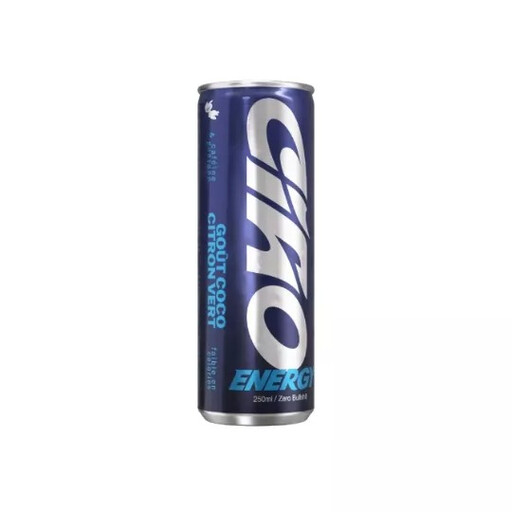
Why this choice suits this profile: The 250 ml size helps you keep control of how much you consume, while the pack of 24 cans is ideal for regular use at home or in the office.
The listing states 43 kcal and 10 g of sugars per 250 ml can, making it easy to compare with a larger size.
An original coconut and lime duo, caffeine from coffee and guarana, and a recipe described as reduced in sugar.
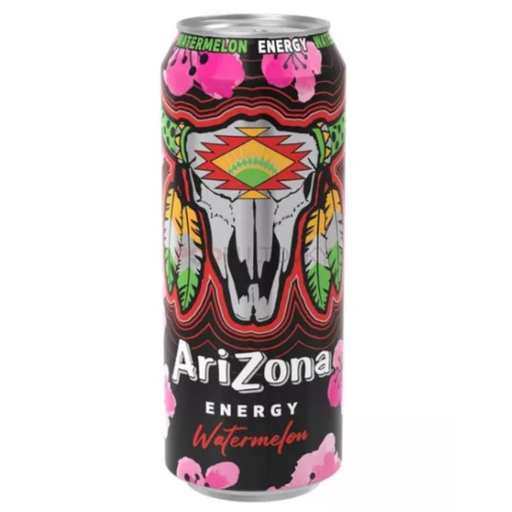
Why this choice suits this profile: With its watermelon flavour and 500 ml size, this drink targets fans of fruity recipes who want to move beyond the most classic flavours.
The listing specifies the presence of concentrated fruit juice and states 45 kcal and 11 g of carbohydrates per 100 ml.
A watermelon flavour, green tea, fruit juice and vitamins A and E mentioned in the ingredients.
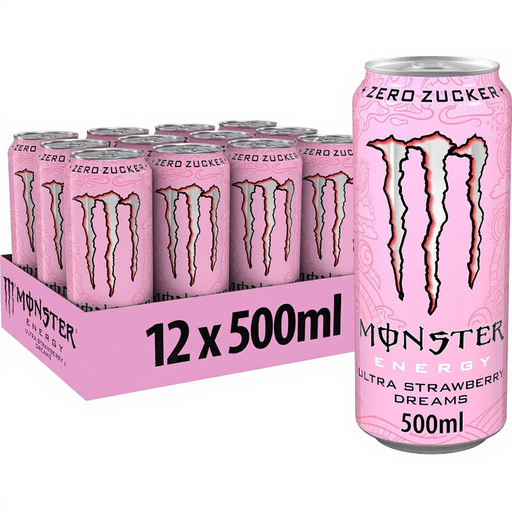
Why this choice suits this profile: The pack of 12 x 500 ml cans is aimed at people who already know their tastes and want to stock up.
The listing states zero sugar and 30 mg of caffeine per 100 ml: in this large size, that means around 150 mg per can.
A strawberry flavour, only 10 kcal stated per can and a pack totalling 6 litres.
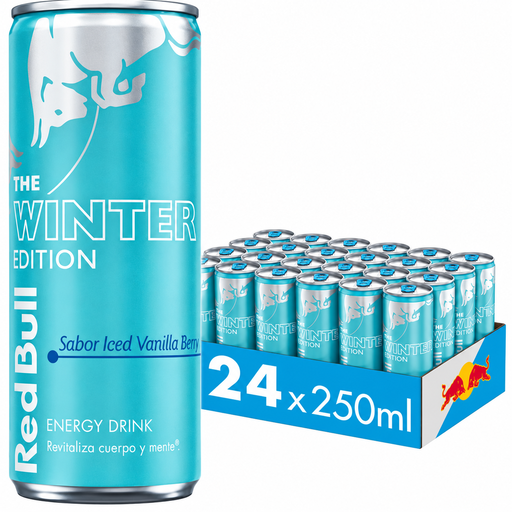
Why this choice suits this profile: The 250 ml cans are easy to store in a bag, a shared fridge or a desk drawer.
The small size stops you from automatically reaching for a 500 ml can. The listing states around 80 mg of caffeine and 11 g of sugars per 100 ml.
A red berry and vanilla flavour, a pack of 24 units and aluminium cans described as recyclable on the product listing.
We've put together a comprehensive, real-time updated selection of products that meet these exacting criteria, while taking European safety regulations into account.
The volume doesn't just change the amount of liquid. With the same content per 100 ml, a 500 ml can contains twice as much caffeine and sugar as a 250 ml can. So always compare the values stated per can.
Yes. A sugar-free recipe can absolutely contain caffeine. The "sugar-free" label refers to sugars, not stimulants. Check the line for caffeine in mg/100 ml, then calculate the amount for the total volume of the can.
Before opening, keep it in a dry place at the temperature recommended on the packaging, away from heat and sunlight. You can serve it well chilled if you prefer a more refreshing taste. After opening, it's generally best to drink it quickly, ideally on the same day.