
Livraison le jour même ou le lendemain

Qualité garantie

Débloquez vos offres de bienvenue: Livraison GRATUITE | Jusqu'à -80 % | 30 jours d'essai gratuits à JoyPlus
Téléchargez l'application
An energy drink can be a real help during a long workday, a study session or a journey. But with all the colourful packaging and marketing claims, it’s not always easy to compare different options. The flavour, can size and sugar content can make a big difference to the experience — and to the cost.
Before you add to your basket, three common pitfalls are worth knowing about.
The most common sizes are the 25 cl can and the 50 cl can. The smaller one is ideal for occasional use and is easy to carry around. The larger one gives you more drink, but also a bigger dose of caffeine in a single can.
As a guide, many products contain between 30 and 32 mg of caffeine per 100 ml. A 50 cl can can therefore reach 150 to 160 mg, depending on the recipe. With 32 mg of caffeine per 100 ml, a 25 cl can provides around 80 mg.
When the caffeine content exceeds the regulatory threshold for drinks, the label must state the amount of caffeine and carry the relevant warnings. These precautions apply particularly to children, pregnant or breastfeeding women, and people who are sensitive to caffeine. Remember to check the packaging you receive: recipes and packaging can change.
To compare a standard energy drink with a sugar-free energy drink, start by looking at the values per 100 ml, then convert them according to the total volume of the can.
A 50 cl can containing 10 g of sugar per 100 ml provides 50 g in total. In contrast, some sugar-free options have around 2 kcal per 100 ml and use sweeteners such as sucralose or acesulfame K. This doesn’t affect their caffeine content: the two pieces of information need to be checked separately.
Recipes described as “reduced sugar” aren’t necessarily sugar-free. Some 25 cl cans still contain 10 g of sugar. The difference can quickly add up if you’re buying a pack of energy drinks for regular consumption.
Fruity recipes come in many profiles: peach, red berries, mango, lychee, lime or even watermelon. A fruity energy drink may contain juice, fruit purée or simply flavourings.
Guarana is also very common. This plant-based ingredient can add to the caffeine already present in the recipe. So the phrase “natural caffeine” doesn’t mean the drink is free from stimulants. To compare an energy drink with guarana, look at its total caffeine content, its volume and the list of other ingredients.
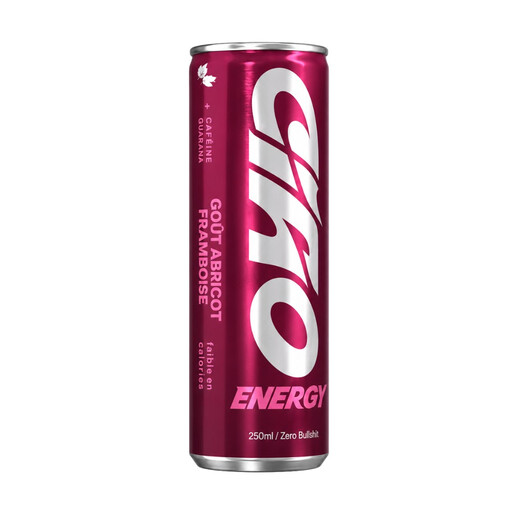
Why this choice suits this profile: The 25 cl size is easy to portion, and the pack of 24 cans lets you build up a supply to share or enjoy from time to time. Its apricot-raspberry flavour offers a change from the more classic options.
Its smaller volume stops you from automatically reaching for a large can. The label shows 10 g of sugar and 43 kcal per 25 cl can — easy figures to compare with other options.
250 ml size, pack of 24, caffeine from coffee beans and guarana extract according to the product information.
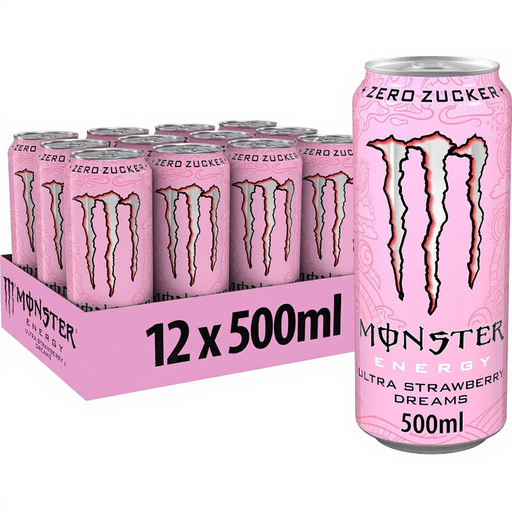
Why this choice suits this profile: This Monster Energy option combines a strawberry flavour with a large 50 cl size, and the recipe is stated as sugar-free with 2 kcal per 100 ml.
The product information clearly separates the absence of sugar from the presence of caffeine: 30 mg per 100 ml, which is around 150 mg per 50 cl can.
Stated 0 g sugar, 2 kcal per 100 ml, strawberry flavour and pack of 12 cans.
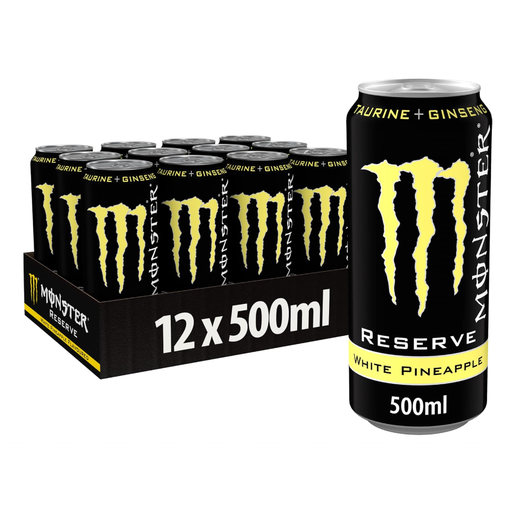
Why this choice suits this profile: With its 12 large cans, this pack is ideal for those who want a regular supply and enjoy tropical pineapple flavours.
The product information states 0 g sugar and 150 mg of caffeine per 500 ml can. So both the volume and caffeine content are known before you buy.
Stated sugar-free recipe, pineapple flavour, 12 cans of 500 ml and detailed nutritional information.
We’ve put together a full, real-time selection of products that meet these exacting criteria as well as European safety regulations.
The 25 cl can contains less drink and makes it easier to control your portion. The 50 cl can offers more volume, but also more caffeine, sugar or sweeteners depending on the recipe. To compare properly, always look at the values per can, not just those given per 100 ml.
Yes. Reducing or removing sugar doesn’t automatically remove the caffeine. Some sugar-free options have around 30 mg per 100 ml. Check the caffeine line and any warnings on the packaging.
Keep the cans in a cool, dry place away from direct light. Once opened, drink the contents quickly and follow the storage instructions on the label. Before ordering a large pack, also check its best-before date.