
Livraison le jour même ou le lendemain

Qualité garantie

Débloquez vos offres de bienvenue: Livraison GRATUITE | Jusqu'à -80 % | 30 jours d'essai gratuits à JoyPlus
Téléchargez l'application
An energy drink can see you through a long work session, a gaming night or a workout. But the packaging doesn’t always tell the full story. A colourful can, the mention “with plant extracts” or a fruity flavour isn’t enough to compare two products.
Before buying an energy drink individually or in a pack, there are three pitfalls that are particularly easy to avoid.
A sugar-free energy drink can still contain plenty of caffeine. Removing the sugar changes the nutritional profile, but not necessarily the stimulating effect you’re after. So look at the “sugars” and “caffeine” lines separately.
In France and the European Union, any drink containing more than 150 mg of caffeine per litre must carry a warning about its high caffeine content and state that it is not recommended for children or pregnant or breastfeeding women. People who are sensitive to caffeine should also exercise caution.
The presence of niacin, vitamin B6 or vitamin B12 may be highlighted on the label. However, that doesn’t automatically make the drink suitable for every situation, nor does it guarantee a specific effect for every consumer. Instead, compare the amounts stated per can and check the full ingredients list.
A pack of 12 or 24 cans can lower the price per unit, but it commits you to one flavour and a substantial volume. A fruity energy drink or one with exotic notes can be enjoyable now and then, whereas a very strong taste might become tiresome day after day. For a first order, it’s better to start with a single can or a small size to test your preferences.
Caffeine is expressed in milligrams, usually per 100 ml and for the whole can. This dual reading helps you avoid confusion between a 250 ml can, a 500 ml bottle and a 330 ml size.
To compare doses on a concrete basis:
Remember to add up the caffeine from coffee, tea, supplements or other drinks you consume during the day. A caffeinated pre-workout drink isn’t chosen on taste alone.
To compare a fizzy energy drink, look at the values for the whole can, not just those stated per 100 ml. NOCCO Focus Stellar shows 0 g of sugar and 0 g of carbohydrates per can. Monster Ultra Strawberry Dreams also states 0 g of sugars, with around 10 kcal per can.
CIAO drinks, on the other hand, contain roughly 10 g of sugars per 250 ml can, despite a recipe described as reduced in sugar. The Arizona Watermelon and Mucho Mango recipes show 11 g of carbohydrates per 100 ml. These figures make it easier to choose between a classic energy drink, a sugar-free version or a more fruity alternative.
250 ml cans are easy to carry and limit how much you consume in one go. 500 ml sizes are better suited to those who prefer a large, well-chilled drink, but they will also contain more caffeine or sugar if the concentration stays the same.
Store cans according to the manufacturer’s instructions, away from heat and light. Once opened, most drinks should be consumed quickly, ideally on the same day. An opened can will also gradually lose its fizz.
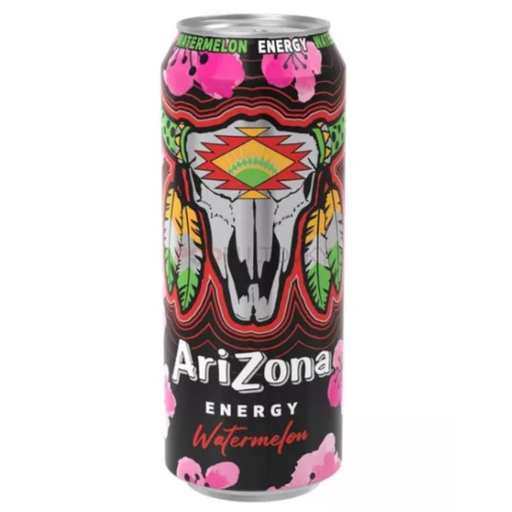
Why this choice suits this profile: With its 500 ml and watermelon flavour, this drink offers an accessible first taste of a fruity energy drink, best enjoyed well chilled.
The listing shows 45 kcal and 11 g of carbohydrates per 100 ml: its sweet profile is clearly identifiable before purchase.
Watermelon flavour, sparkling water, green tea, fruit juice and vitamins A and E, according to the product listing.
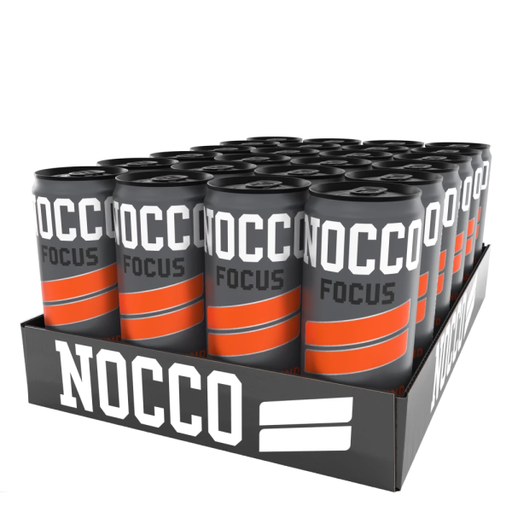
Why this choice suits this profile: This pack of 24 cans is aimed at regular consumers looking for a sugar-free energy drink with an exotic profile blending pineapple and mangosteen.
The listing clearly distinguishes the absence of sugar from the caffeine content, stated at 180 mg per 330 ml can.
0 g of sugars, 0 g of carbohydrates, light carbonation and B vitamins listed on the label.
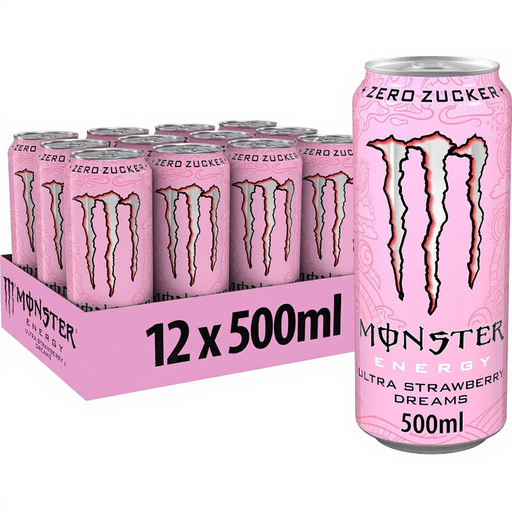
Why this choice suits this profile: Its 500 ml size and pack of 12 cans are ideal for regular consumption at the office, during leisure time or gaming sessions.
The listing states 0 g of sugars and separately shows 30 mg of caffeine per 100 ml, making it easy to assess the total dose.
Strawberry flavour, 12 cans of 500 ml, around 10 kcal per can and B vitamins mentioned on the label.
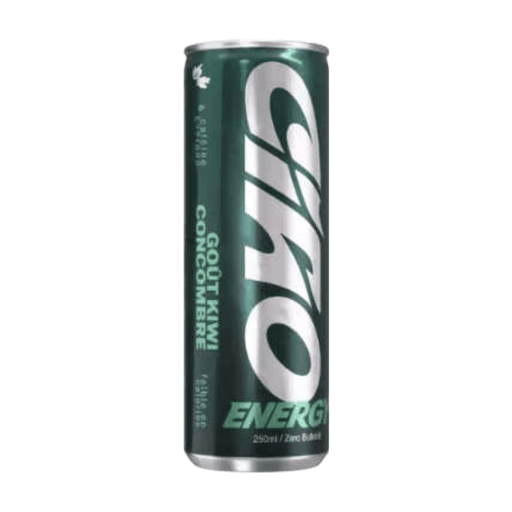
Why this choice suits this profile: Its kiwi-cucumber blend and 250 ml size are perfect for those who want to move beyond classic flavours without committing to a large can.
The “reduced in sugar” claim can be checked against the stated value: 10 g of sugars per 250 ml can.
Caffeine from coffee, guarana extract, vitamins B3 and B6, biotin and a pack of 24 cans.
We’ve put together a comprehensive, real-time updated selection of products that meet these strict criteria and the requirements of European safety regulations.
The amount depends on the recipe and the can size. Available products may contain around 80 mg per 250 ml, 150 mg per 500 ml or 180 mg per 330 ml. Always check the value per can and take into account other sources of caffeine consumed during the day.
It can be suitable for an adult who wants to limit their sugar intake, but it doesn’t automatically replace water or a drink designed for hydration. Before a workout, focus on the caffeine content, the volume and your own sensitivity. Minors, pregnant or breastfeeding women and people sensitive to caffeine are not the intended audience.
An opened can should generally be consumed on the same day and stored in the fridge if the label advises it. For an unopened can, follow the best-before date and the storage conditions recommended by the manufacturer. A pack should therefore be kept in a cool, dry place away from light.