
Livraison le jour même ou le lendemain

Qualité garantie

Débloquez vos offres de bienvenue: Livraison GRATUITE | Jusqu'à -80 % | 30 jours d'essai gratuits à JoyPlus
Téléchargez l'application
An energy drink can be convenient during a busy day, a journey or a study session. But choosing one is about more than the colour of the can or a promise of “long-lasting energy”. Caffeine content, sugar levels, format and the number of cans have a direct impact on both how you use the product and how much you spend.
Before buying an energy drink, take the time to check these three common pitfalls.
A 25 cl energy drink can contain a caffeine concentration comparable to that of a larger format. A recipe containing 30 to 32 mg of caffeine per 100 ml therefore provides around 75 to 80 mg per 25 cl can. At the same concentration, a 50 cl can contains 150 to 160 mg.
The term “natural caffeine” does not mean that the amount is negligible. Whether it comes from coffee, green tea or guarana, caffeine must be counted as part of your total daily intake.
A sugar-free energy drink may contain sweeteners such as sucralose, acesulfame-K or steviol glycosides. This may suit certain dietary preferences, but the taste and ingredients will not be the same as those of a classic recipe.
Conversely, a drink marketed as “fruity” may contain juice, sugar or syrup. Always check the values per 100 ml and per can: with a larger container, comparisons can quickly become less straightforward.
A multipack of energy drinks containing 12 cans of 50 cl holds 6 litres. A pack of 24 cans of 25 cl represents exactly the same volume. The number of cans alone is therefore not enough to compare two offers.
Calculate the price per litre and check the best-before date shown on the packaging. For occasional consumption, a large stock can tie up money and take up valuable cupboard space. For regular use, however, it may save you from having to make frequent purchases.
European regulations require a specific warning for drinks with a high caffeine content, generally above 150 mg per litre. The products concerned must also state that their consumption is not recommended for children, pregnant or breastfeeding women, or people sensitive to caffeine.
Here are the main figures to look for on the label:
You should also avoid combining a caffeinated drink with alcohol. If you are unsure about your sensitivity or daily intake, follow the recommendations on the packaging and seek advice from a healthcare professional.
The nutrition table helps distinguish a traditional recipe from a reduced-sugar or sugar-free formula. For example, some CIAO ENERGY drinks state 4 g of sugars per 100 ml, equivalent to 10 g per 25 cl can. The Monster Ultra Strawberry Dreams and Monster Reserve Pineapple products, meanwhile, show 0 g of sugars per 100 ml in the information provided.
Do not rely solely on claims such as “natural” or “fruity”. A drink may contain fruit juice and still be high in sugar. When comparing recipes, the nutrition table remains the most reliable reference.
The format should primarily suit your circumstances:
Once opened, the drink should generally be consumed promptly. Store cans in a cool, dry place away from sunlight and heat, then serve chilled according to the product instructions.
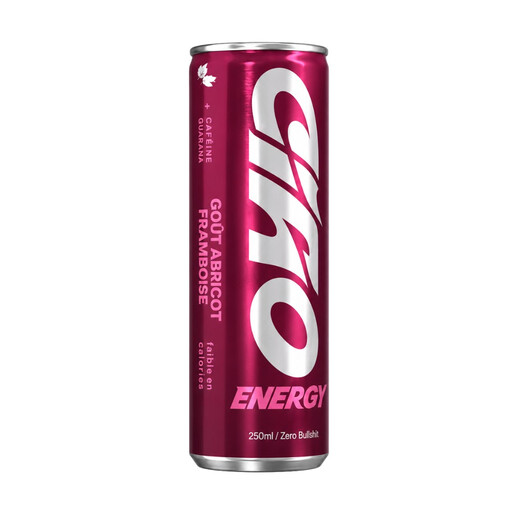
Why this choice suits the profile: The 25 cl format slips easily into a bag for a break at work, university or while travelling in France. Its recipe combines apricot and raspberry flavours.
The volume of each can is clearly stated, and the information provided lists 10 g of sugar per 250 ml can. This makes it easy to calculate your intake before purchasing.
Pack of 24 cans, with caffeine from coffee and guarana according to the product sheet, plus vitamins B3, B6 and biotin listed in the ingredients.
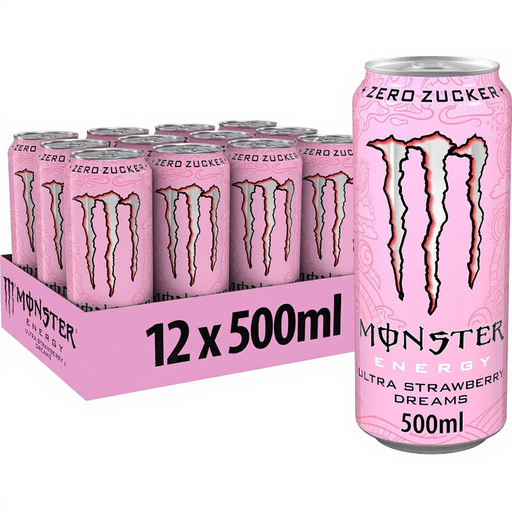
Why this choice suits the profile: This product is designed for consumers who want a large can and a strawberry flavour while prioritising a recipe with zero sugar.
The product sheet clearly distinguishes sugar, energy and caffeine: 0 g of sugar and 2 kcal per 100 ml, with 30 mg of caffeine per 100 ml.
Pack of 12 × 500 ml, strawberry flavour, taurine, caffeine, ginseng and B vitamins listed in the product sheet. As the caffeine content is high, check the warning on the packaging.
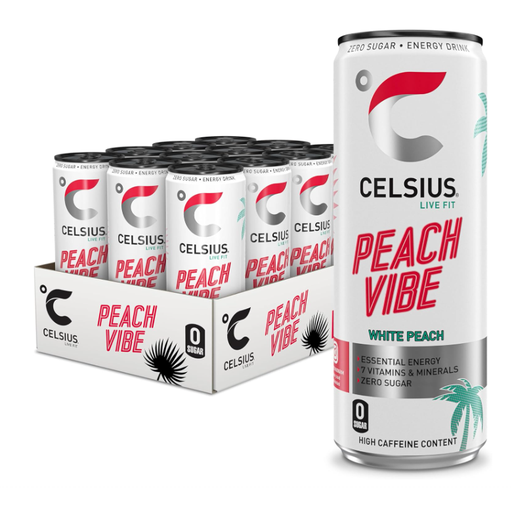
Why this choice suits the profile: This intermediate format is ideal for those who want to avoid a 50 cl can while still keeping a convenient multipack at home or in the office.
The product information provided states 0 g of sugar and 3 kcal per 100 ml. Caffeine content reaches 32 mg per 100 ml, so the can’s total volume must be taken into account.
35.5 cl format, peach flavour, green tea and guarana extracts listed among the ingredients, along with several vitamins.
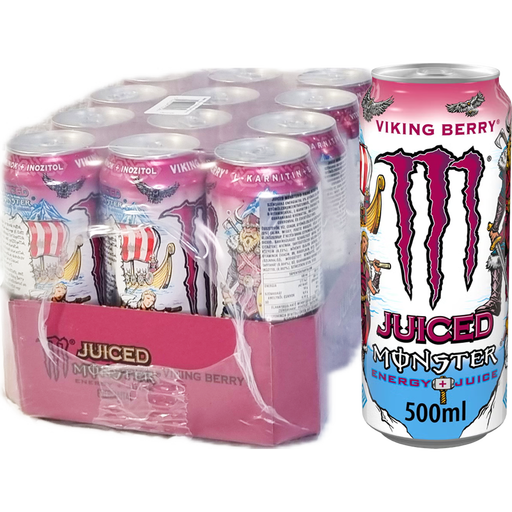
Why this choice suits the profile: The large format and 12-can multipack are ideal for households or anyone looking to build up a supply for journeys and long days.
The total volume is clearly stated: 6 litres for 12 cans of 50 cl. This lets you compare the price per litre with that of a 24 × 25 cl multipack.
Red berry flavour, fruit juice concentrates listed at 5%, caffeine stated at 0.03%, plus taurine and B vitamins according to the product sheet.
Depending on your tastes and habits, you may also want to consider Bomba Energy Classic or Cherry in 25 cl, AriZona Energy Mucho Mango in a pack of 12 × 50 cl, AriZona Watermelon in 50 cl, as well as CIAO ENERGY Coconut-Lime, Kiwi-Cucumber, Apple-Rhubarb and White Peach recipes. Fans of tropical flavours may prefer Monster Pipeline Punch or Monster Reserve Pineapple.
Before checking out, compare the caffeine content, sugar levels, volume, number of cans, date shown and warnings. Availability and labelling information may change, so the packaging you receive remains the definitive reference.
Browse an up-to-date selection of products matching these purchasing criteria and the safety information applicable in France.
The 25 cl format makes it easier to control the amount consumed and is convenient to carry. The 50 cl format is better suited to extended use, but it can contain twice as much caffeine and sugar when the concentration is identical. Always compare the values stated per can.
Yes. “Sugar-free” describes the sugar content, not whether caffeine is present. A sugar-free recipe may contain coffee, green tea, guarana or added caffeine. Check the ingredients list and the amount stated in mg/100 ml.
Store it in a cool, dry place away from sunlight and sources of heat. Once opened, drink the beverage promptly. Check the best-before date on the packaging, especially when buying a large multipack.