
Livraison le jour même ou le lendemain

Qualité garantie

Débloquez vos offres de bienvenue: Livraison GRATUITE | Jusqu'à -80 % | 30 jours d'essai gratuits à JoyPlus
Téléchargez l'application
With overflowing shelves, choosing an energy drink can quickly become a headache. Between marketing promises and sometimes opaque ingredient lists, it's hard to know where to start. Whether you're a student cramming for exams, an athlete seeking better performance, or simply looking for a boost to get through the day, this guide is here to help you see clearly and make a smart choice tailored to your real needs.
The market is a real advertising jungle where it's easy to get lost. Here are the most common traps and our advice on how to avoid them.
To make the right choice, focus on a few objective parameters that truly make a difference.
Most 250 ml cans contain around 80 mg of caffeine, equivalent to a shot of espresso. It's the caffeine that provides the main stimulating effect, improving concentration and alertness. Taurine, an amino acid our body produces naturally, is the other star ingredient, often included at a concentration of around 0.4%. It's important to check these dosages to anticipate the intensity of the effect and, of course, to consume these drinks in moderation, as always indicated on the packaging.
It all depends on your goal.
Beyond the original recipe, brands like Red Bull or Monster Energy offer their ranges in a wide palette of fruity, exotic, or more daring flavours. This allows you to mix things up and never get bored. Also, consider the format: 250 ml cans are the standard, but 500 ml formats exist for greater needs. For regular use or an event, buying in a pack is almost always the smartest move.
Instead of an impersonal ranking, we've matched products to user profiles to help you find the drink that fits you.
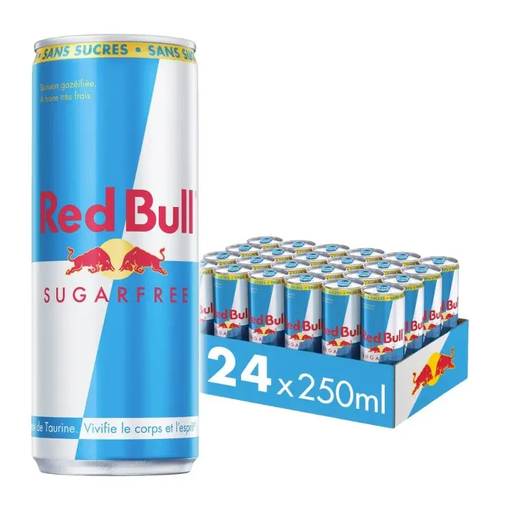
Why we chose it: Ideal for long study or gaming sessions, this sugar-free version provides the necessary stimulation to stay focused, without the calories and the subsequent crash. The 24-pack format is perfect for regular, economical use.
This product gets straight to the point: it avoids the sugar trap and the single-unit cost trap thanks to its highly cost-effective bulk pack.
Sugar-free and zero-calorie formula, with the signature Red Bull taste and stimulating effect. The ally for mental performance.
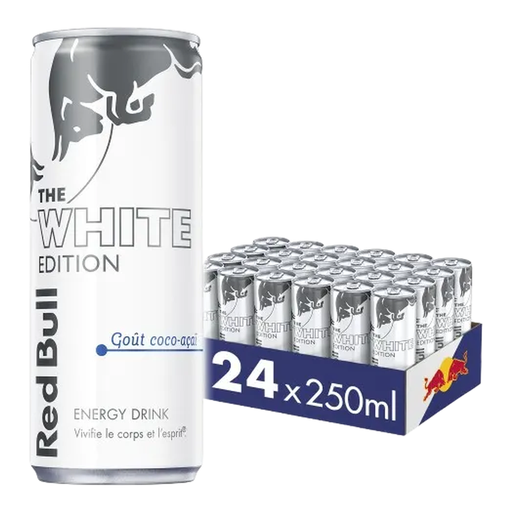
Why we chose it: For those who are tired of the original taste and looking to mix things up. The combination of coconut and a?aí offers an exotic and refreshing flavour, while retaining the energy boost of the Red Bull formula.
It avoids the "miracle ingredient" trap by focusing on a clear and identifiable flavour (coconut-a?aí) rather than on vague marketing promises.
A unique and sophisticated taste that stands out from the ordinary. The 24-pack allows you to stock up on your favourite flavour.
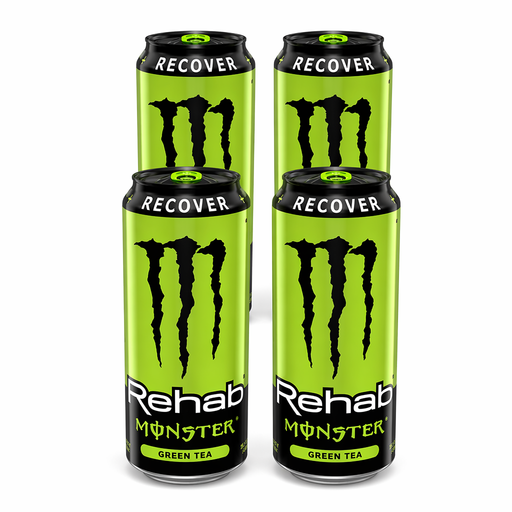
Why we chose it: The perfect option for those who don't like carbonated drinks. Based on a tea infusion, this Monster drink is still and smoother on the palate, while still providing caffeine and vitamins.
It clearly positions itself as a still alternative, thus avoiding any disappointment for those expecting a classic, fizzy energy drink.
Non-carbonated, based on tea extracts, and low in sugar. The texture and taste of a reimagined iced tea, with an added kick.
We have gathered a complete selection of products that meet our selection criteria and comply with current regulations.
This is a very common point of confusion. An energy drink primarily aims to stimulate the nervous system to improve concentration, thanks to caffeine. A sports drink (or isotonic drink), on the other hand, is designed to rehydrate and compensate for losses in electrolytes (sodium, potassium) and carbohydrates during physical exertion. Their goals and compositions are therefore radically different.
Yes, by a long shot. The price per can of energy drink drops considerably when you opt for an energy drink pack of 12 or 24 units. For regular consumption, it's the smartest move for your wallet.
Before opening, keep your cans in a cool, dry place, away from direct sunlight. The best-before date is indicated on the packaging. Once a can is opened, it's best to consume it quickly to enjoy its freshness and carbonation, if any.