
Livraison le jour même ou le lendemain

Qualité garantie

Débloquez vos offres de bienvenue: Livraison GRATUITE | Jusqu'à -80 % | 30 jours d'essai gratuits à JoyPlus
Téléchargez l'application
More than just a piece of cookware, the enameled cast iron Dutch oven is a cornerstone of French cuisine, promising slow-cooked dishes that fill the home with rich aromas and shared memories. Yet, choosing the right one can be a daunting task. Between marketing claims and staggering price differences, it's hard to know where to even begin. To ensure your investment is one you won't regret, here are the pitfalls to avoid and the criteria that truly matter.
Investing in an enameled cast iron Dutch oven is a long-term commitment. But be warned, certain manufacturing defects can quickly lead to disappointment.
It's the enamel coating that makes the Dutch oven so versatile: it protects the cast iron from rust, prevents food from sticking, and makes cleanup significantly easier. The problem: a low-quality enamel, often too thin or poorly applied, can chip or crack after just a few uses due to heat or a minor knock. The result: the pot becomes a nightmare to clean, and the exposed cast iron eventually rusts.
The magic of cast iron is its ability to store heat and distribute it slowly and evenly. This is the secret to a successful braise or stew. But if the base is too thin or the wall thickness is inconsistent, hot spots will inevitably form. Your food will stick in some areas while remaining undercooked in others. So much for that coveted slow-cooking effect.
Many Dutch ovens boast of being "induction compatible," but the reality is often more nuanced. For an induction-compatible Dutch oven to be truly effective, its base must be perfectly flat and thick enough to ensure full magnetic contact with the hob. A warped base, even slightly, or one that's too thin, is a recipe for disappointment: energy loss, longer heating times, and an annoying buzzing sound to top it off.
To make the right choice, focus on a few technical details that make all the difference.
High-quality enamel is applied in multiple layers, making it far more resistant to thermal shock and scrapes from utensils. A good indicator? A light-coloured interior (sand or white). It's much more practical for monitoring the browning of your ingredients during cooking and for spotting any imperfections.
Inspect the bottom of the Dutch oven: it must be thick and perfectly flat. This is the guarantee of perfect stability on all hobs and maximum efficiency on induction. A heavy cast iron Dutch oven is often a good sign: the greater the mass of cast iron, the better it stores and distributes heat.
A heavy, tight-fitting lid is crucial for trapping moisture inside. The result: your meats stay tender and your vegetables juicy. The gold standard? Lids featuring small spikes on their underside. This clever system turns steam into droplets that continuously baste the dish, for even more flavourful slow-cooked meals.
Rather than an endless list, we've selected models that meet specific needs. It's up to you to find the one that's right for you.
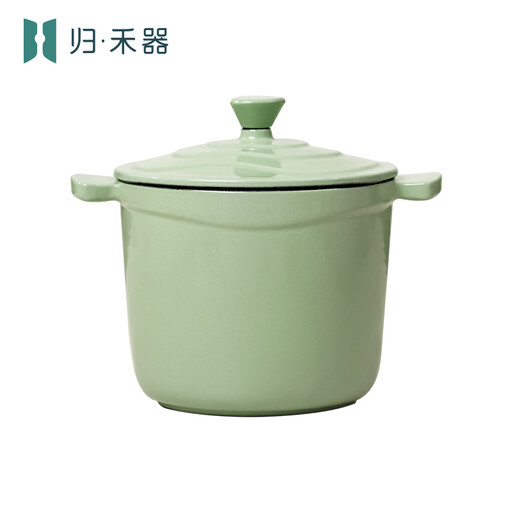
Why it's a great choice: Ideal for one person, side dishes, or individual desserts. Its compact size makes it easy to store and perfect for elegant oven-to-table presentation. It's the perfect mini Dutch oven for smaller appetites.
Its dense cast iron body and flat base ensure good induction compatibility and efficient heating, even for a small volume.
Versatility to cook, serve, and store small portions. Compatible with all hobs, including induction.
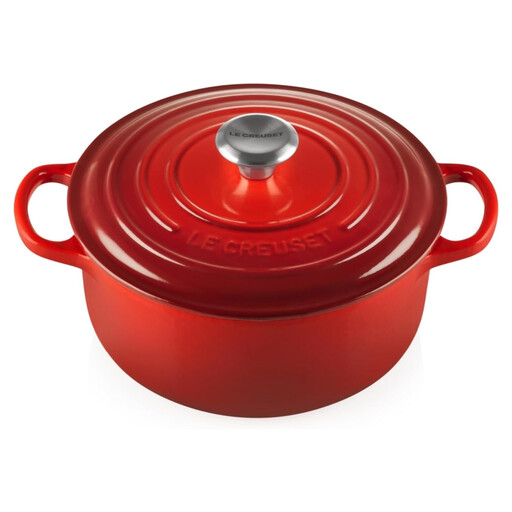
Why it's a great choice: For those who want an iconic piece, renowned for its longevity and flawless cooking performance. It's an investment in French craftsmanship that is passed down through generations.
Its enamel quality is the industry benchmark, offering unmatched resistance to chipping and acids. Its design guarantees a thick, flat base for absolutely even heat distribution.
Consistent cooking performance and renowned durability. The light-coloured enamel makes it easy to monitor cooking.
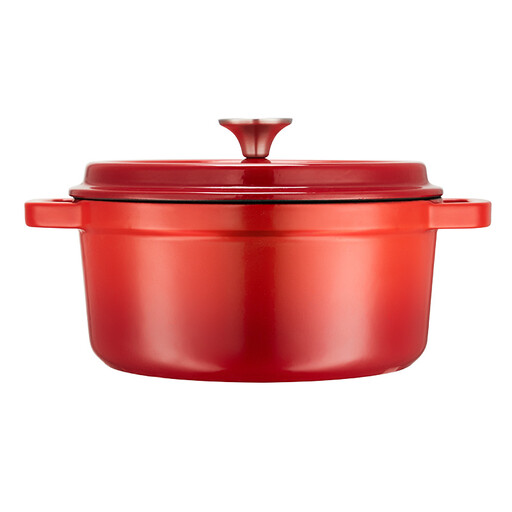
Why it's a great choice: With its 24cm diameter, this Dutch oven is sized for family meals. It stands out as a very compelling Le Creuset alternative for enjoying the benefits of enameled cast iron daily, without the premium price tag.
Its solid construction and thick base ensure excellent heat retention and great performance on all hobs, including induction, making it perfect for regular family use.
Large capacity and robust construction, an excellent entry point into the world of enameled cast iron cooking.
Discover our full selection of products that meet our quality criteria and current safety standards.
Yes, the vast majority of modern Dutch ovens are compatible with all heat sources: gas, electric, ceramic, and induction. However, be careful with induction: efficiency depends on the base being perfectly flat. Always check this detail on the product specifications before buying. Most models are also oven-safe.
Maintenance is simple, but it's key to your Dutch oven's longevity.
It all depends on how many people you're cooking for! Here are a few guidelines: