
Livraison le jour même ou le lendemain

Qualité garantie

Débloquez vos offres de bienvenue: Livraison GRATUITE | Jusqu'à -80 % | 30 jours d'essai gratuits à JoyPlus
Téléchargez l'application
Choosing an electrolyte drink seems simple… until you start comparing sodium content, sugar levels, format and usage instructions. Between the promises of rapid hydration, effervescent tablets and ready-to-drink beverages, the differences can have a very real impact on both how you use them and your budget.
Here are the main pitfalls to avoid:
Sodium and potassium are often the most prominent minerals, but a formula may also contain calcium, magnesium and chloride. Always compare the information per tablet, sachet or bottle, rather than the total amount in the pack.
As a guide, the Nutri&Co tablets shown here provide, per unit, 300 mg of sodium, 300 mg of potassium, 120 mg of calcium, 56.25 mg of magnesium and 323 mg of chloride. They also contain zinc and several vitamins. These figures describe the product's composition; they do not constitute medical advice.
Potassium requires particular caution. If you have kidney failure or kidney disease, seek advice from a healthcare professional before using a formula that contains it. Food supplements are not a substitute for a varied diet or a balanced lifestyle.
Effervescent electrolyte tablets are easy to slip into a sports bag, keep at the office or take with you when travelling. They usually dissolve in a specific volume of water: for the Nutri&Co references, it is recommended to use 300 to 500 ml of water per tablet, with a limit of one unit per day.
Swallowable tablets require no preparation, but you do need to drink a glass of water when you take them. Ready-to-drink beverages are better suited to outings, family activities or travel. On the downside, they take up more space and can be more expensive to transport.
A sugar-free drink may suit people who want to limit their sugar intake. The Nutri&Co references in lemon, peach or red fruits are stated to be sugar-free and flavoured with stevia-based sweeteners.
Conversely, Capri-Sun + Electrolyte contains 4.9 g of sugar per 100 ml. Depending on the variant, they contain fruit juice, magnesium and vitamins. The 15-pouch format of 33 cl each is handy for outings, but it doesn't meet the same need as a dissolvable supplement. Take the time to read the label to check the ingredients, allergens, storage conditions after opening and the actual amount consumed.
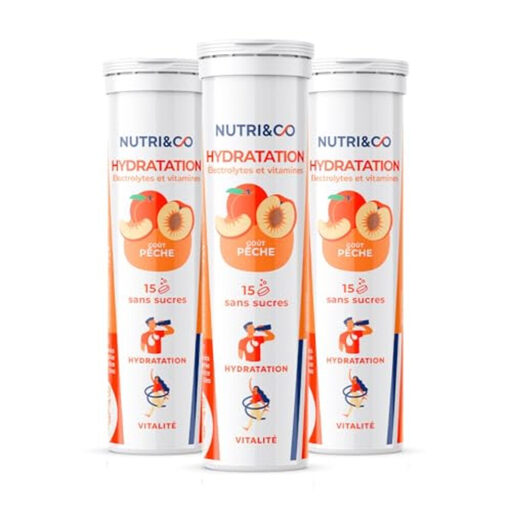
Why this choice suits this profile: The pack of three tubes means you have several doses on hand, at home or in a bag, with preparation that simply involves dissolving in water.
The product page details the quantities per tablet and states a sugar-free formula. This helps you avoid choosing based solely on flavour or pack size.
300 mg of sodium and 300 mg of potassium per tablet, plus calcium, magnesium, chloride, zinc and vitamins C, B2, B6 and B9.
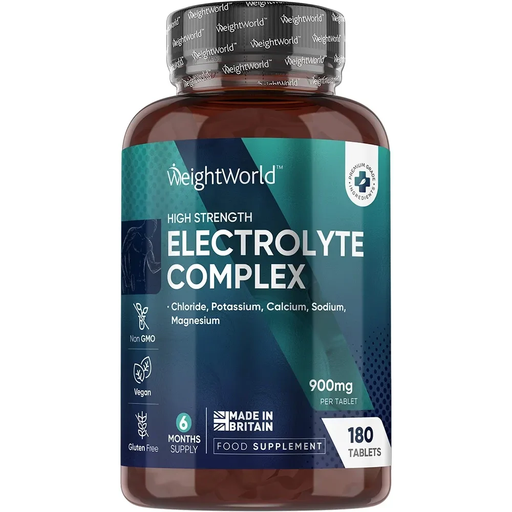
Why this choice suits this profile: Its long-lasting format is ideal for adults who prefer a regular, measured intake without having to prepare a drink.
The composition clearly lists chloride, potassium, calcium, sodium and magnesium. The product page also states that the maximum dose is one tablet per day.
180 tablets, a sugar-free and gluten-free formula stated to be vegan, and 930 mg of electrolytes per tablet.
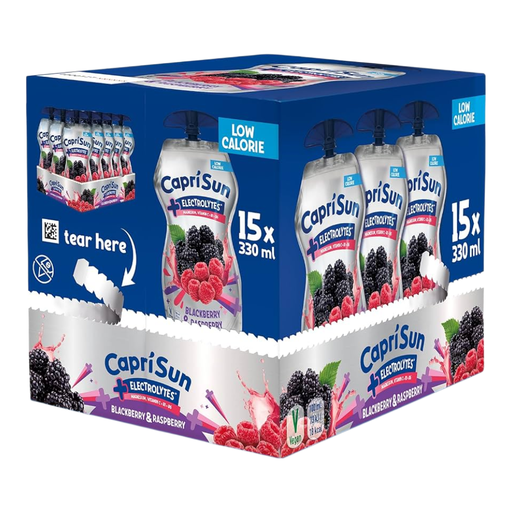
Why this choice suits this profile: The resealable pouches are well suited to travel, family activities and situations where a ready-to-drink beverage is more convenient.
The sugar content is clearly stated: 4.9 g per 100 ml. This information helps you distinguish it from a sugar-free drink.
A format of 15 pouches of 330 ml, with fruit juice, magnesium and vitamins according to the product page.
We've compiled a complete selection, updated in real time, of products that meet these selection criteria and European safety requirements.
This term can cover categories that have very little to do with each other. Electrolysed water or the electrolysis function of a cordless wet-dry vacuum cleaner, such as some Deerma or Uwant appliances, relates to the water treatment used for cleaning floors. This has nothing to do with an electrolyte supplement intended for consumption.
Similarly, a stainless steel compartment plate may be described as 'electrolytic' in reference to its finish or surface treatment process. It has no connection with the body's electrolyte balance. So before you buy, check the product category, its intended use and the usage instructions.
Place the stated dose in the volume of water recommended by the manufacturer. For the Nutri&Co references shown here, one tablet dissolves in 300 to 500 ml of water. Do not exceed the stated daily dose and keep the tube tightly closed in a cool, dry place.
No. Some tablet formulas are stated to be sugar-free, while ready-to-drink beverages may contain sugars from fruit juice or the recipe. Check the 'carbohydrates of which sugars' line for each serving, especially if you are monitoring your daily intake.
Follow the best-before date on the packaging as well as the storage conditions. After opening, protect the tablets from moisture and reseal the tube carefully. For a ready-to-drink beverage, follow the refrigeration and consumption instructions given after opening.