
Livraison le jour même ou le lendemain

Qualité garantie

Débloquez vos offres de bienvenue: Livraison GRATUITE | Jusqu'à -80 % | 30 jours d'essai gratuits à JoyPlus
Téléchargez l'application
After a workout, a hike or an especially hot day, water alone isn’t always enough to meet your body’s needs. A drink containing mineral salts can then prove useful. But you still need to navigate the marketing claims, varying dosages and different formats available.
Here are the criteria to consider when comparing electrolytes, so you don’t pay for ingredients you may not actually need.
Some drinks highlight their vitamin content, fruity flavour or low calorie count, yet contain very little sodium and potassium. Yet these are precisely the minerals you need to look out for when a product is intended to support hydration during exercise.
A drink can be pleasant to consume without being a high-dose rehydration solution. Always check the nutritional table, ideally for the portion you actually drink.
A product claiming “900 mg of electrolytes” doesn’t necessarily contain 900 mg of sodium. That figure may add together chloride, potassium, calcium, magnesium and sodium. It’s better to compare the breakdown of each mineral rather than relying on the headline number on the label.
Ready-to-drink beverages are convenient, but some contain several grams of sugar per serving. For regular, even daily use, sugar-free electrolytes in tablet form can be easier to fit into a routine, provided you follow the instructions and any precautions given.
Sodium and chloride are often linked to sweating, while potassium contributes to electrolyte balance. However, there is no universal dosage that suits every situation. Light activity, a prolonged session and exercise in hot weather all have different requirements.
So check:
Magnesium and calcium can complement a formula that combines several mineral salts. Some products also add vitamins C, B2, B6 or B9. These ingredients are not a substitute for a varied diet and should not distract you from what really matters: the actual electrolyte dosage.
Effervescent electrolyte tablets are easy to carry in a sports bag and let you prepare the amount of water you want. A ready-to-drink beverage, on the other hand, requires no preparation, which can be handy when you’re on the go or at a sporting event.
For tablets, make sure the tube is properly sealed and store it in a dry place. For bottles and pouches, check the storage conditions after opening as well as the total volume of the pack.
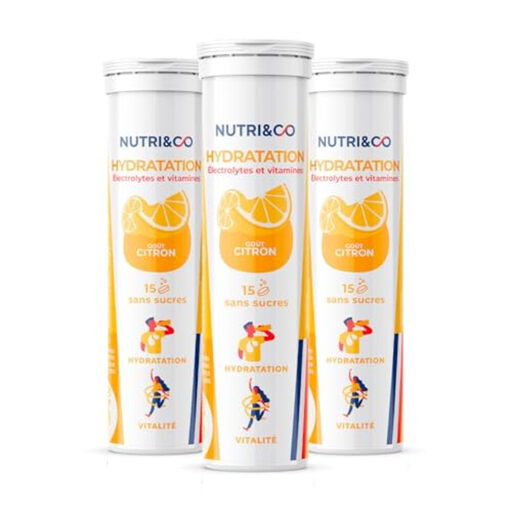
Why this choice suits this profile: The pack of three tubes lets you try a format you prepare yourself, while giving you 45 tablets. The lemon flavour and dissolution in 300 to 500 ml of water work well for a simple routine before, during or after exercise.
The composition lists 300 mg of sodium and 300 mg of potassium per tablet, rather than just stating the total weight of the formula. The product is also labelled as sugar-free.
Each tablet also provides 120 mg of calcium, 56.25 mg of magnesium and 323 mg of chloride, plus vitamins C, B2, B6 and B9.
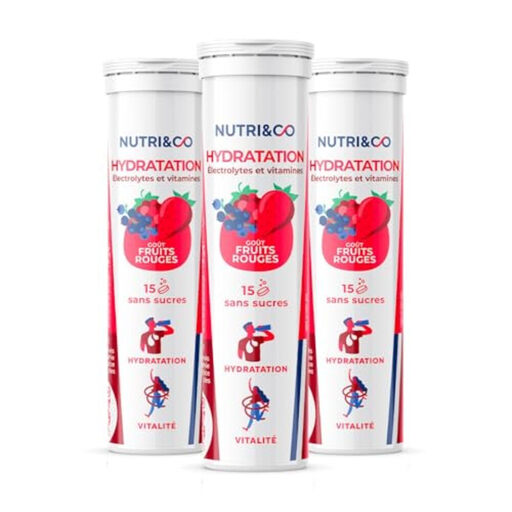
Why this choice suits this profile: This format combines a mineral-rich formula with a red fruits flavour and comes in three tubes. It’s aimed at adults who want to structure their hydration without adding sugar.
The amount of each mineral is stated per tablet. This means you can compare the formula with those of other products, without confusing the total ingredient weight with the actual electrolyte content.
The formula states 300 mg of sodium, 300 mg of potassium, 120 mg of calcium and 56.25 mg of magnesium per tablet. It also contains zinc and several vitamins.
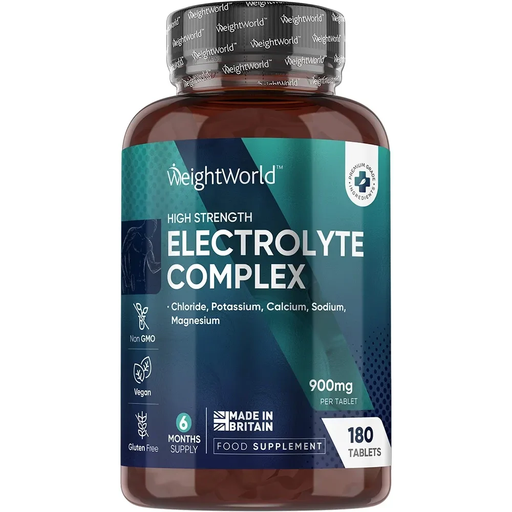
Why this choice suits this profile: With 180 tablets, this product is ideal for those who prefer a long-term supply and a no-mix, no-measure approach. The format fits easily into a daily routine, with one tablet recommended per day.
The formula separately lists 380 mg of chloride, 250 mg of potassium, 125 mg of calcium, 100 mg of sodium and 75 mg of magnesium per tablet.
According to its product page, it is sugar-free, carbohydrate-free and gluten-free, and suitable for a vegan diet. It should be taken with a large glass of water, preferably with a meal.
We’ve put together a complete, real-time updated selection of products that meet these strict criteria and comply with European safety regulations.
Dissolve one tablet in the volume of water stated on the packaging. A higher concentration doesn’t necessarily give a better experience: it can alter the taste and may be less well tolerated by your digestive system.
Stick to the recommended daily dose. Supplements containing potassium may not be suitable for people with kidney insufficiency or kidney disease. If you are pregnant, breastfeeding, on medication or in any doubt, consult a healthcare professional. These products are not medicines and do not replace a varied diet or regular water consumption.
It depends on the product and the activity you’re doing. For tablets you dilute, manufacturers generally recommend taking them before, during or after exercise. For short, moderate sessions, water may be enough. For prolonged activity, hot weather or heavy sweating, pay particular attention to the sodium and potassium levels as well as the recommended drink volume.
Check the best-before date on the tube or bottle. After opening, keep the container tightly closed in a cool, dry place. Moisture can reduce the fizz and make the tablets harder to dissolve.
Not necessarily. The absence of sugar meets a nutritional criterion, but says nothing about the dosage of sodium, potassium or magnesium. To choose a sports drink or electrolyte supplement, look at the full composition, the format, the daily dose and your actual needs.