
Livraison le jour même ou le lendemain

Qualité garantie

Débloquez vos offres de bienvenue: Livraison GRATUITE | Jusqu'à -80 % | 30 jours d'essai gratuits à JoyPlus
Téléchargez l'application
An electrolyte drink can be useful during a workout, a hike in hot weather or a particularly active day. However, packaging sometimes highlights vitamins, flavours or performance claims more prominently than the information you actually need to compare products.
Two pitfalls are particularly common. The first is confusing a vitamin drink with a genuine electrolyte hydration solution: not all enriched drinks contain the same minerals, or the same proportions. The second is assuming that “sugar-free” automatically means a formula is suitable for exercise. A sugar-free drink may be appropriate for some uses, but it does not automatically replace water or a varied diet. Finally, large multipacks may appear economical, even though some contain caffeine or a significant amount of sugar.
Electrolytes include sodium, potassium, magnesium, calcium and chloride. Their presence and dosage vary considerably from one product to another.
When comparing an electrolyte-based food supplement, check the nutritional table per serving rather than relying only on the claims displayed on the front of the pack. For example, one Nutri&Co tablet provides 300 mg of sodium, 300 mg of potassium, 120 mg of calcium, 56.25 mg of magnesium and 323 mg of chloride. WeightWorld Electrolyte Complex, meanwhile, lists 100 mg of sodium, 250 mg of potassium, 125 mg of calcium, 75 mg of magnesium and 380 mg of chloride per tablet.
These figures alone are not enough to determine which formula will suit everyone. They mainly help you avoid simplistic comparisons between a powder, effervescent electrolyte tablets and a ready-to-drink beverage.
A drink intended for hydration may contain naturally occurring sugars, added sugars or sweeteners. Chaokoh coconut water contains 4.2 g of sugar per 100 ml, while PRIME Hydration Ice Pop contains 0.5 g of sugar per 100 ml and uses sucralose and acesulfame-K, among other sweeteners.
For regular consumption, check the amount of sugar in the entire bottle. A drink containing 4.9 g of sugar per 100 ml provides around 16.2 g in a 330 ml format, as with some Capri-Sun + Electrolyte products. By contrast, Vitamin Well Zero Lemon states 0 g of sugar and 0 kcal per 100 ml, with sweeteners.
The right choice therefore depends on the situation: a sugar-free drink to limit sugar intake, coconut water if you prefer a naturally fruity taste, or a drink containing carbohydrates when that suits the activity you are doing.
A sugar-free energy drink is not necessarily a simple hydration drink. The relevant NOCCO products contain 105 mg or 180 mg of caffeine per 330 ml can, depending on the version. They also provide vitamins and BCAAs, but their use should be distinguished from that of a stimulant-free electrolyte drink.
In terms of format, tablets and capsules are easy to carry and allow you to prepare 300 to 500 ml of water. The 500 ml bottles are practical after a workout, while packs of 12 or 24 units are more suited to people who want to keep a supply at home. Also remember to check storage conditions after opening, as well as the date shown on the packaging.
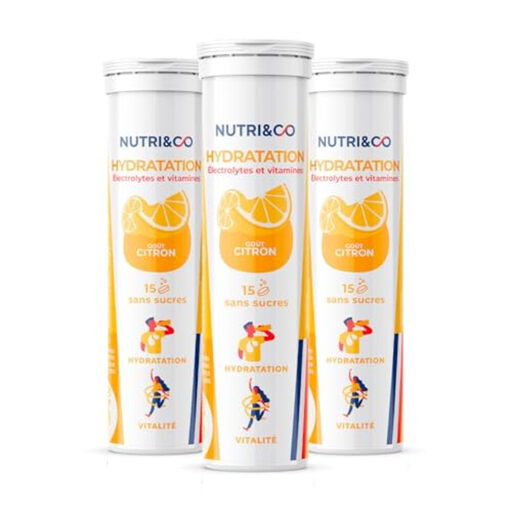
Why this product suits this profile : The tablet format makes dosing easy and avoids the need to buy several ready-to-drink bottles. One tablet dissolves in 300 to 500 ml of water, depending on the product instructions.
The product details list the amount of each mineral per tablet and specify that it contains no sugar. This allows you to compare the formula without focusing solely on taste or vitamin claims.
Pack of three tubes, lemon flavour, 300 mg of sodium and 300 mg of potassium per tablet, with vitamins C, B2, B6 and B9.
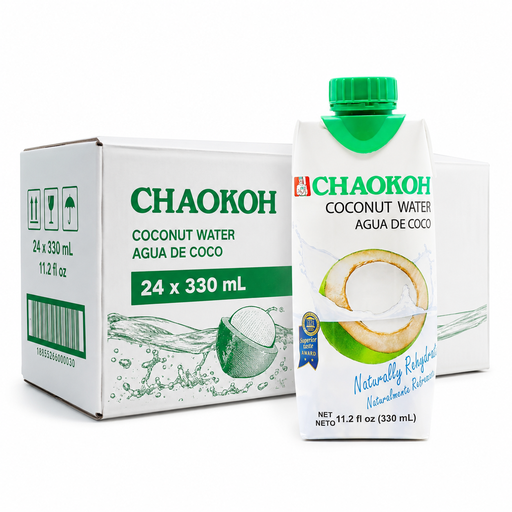
Why this product suits this profile : This ready-to-drink option is aimed at people who prefer a short ingredients list and the taste of coconut water after an activity or in hot weather.
The ingredients list states 100 % coconut water, with no added sugar or preservatives. However, the nutritional table shows 4.2 g of sugar per 100 ml : something to consider when comparing products.
100 % coconut water, 330 ml cans and a 24-unit pack for regular use.
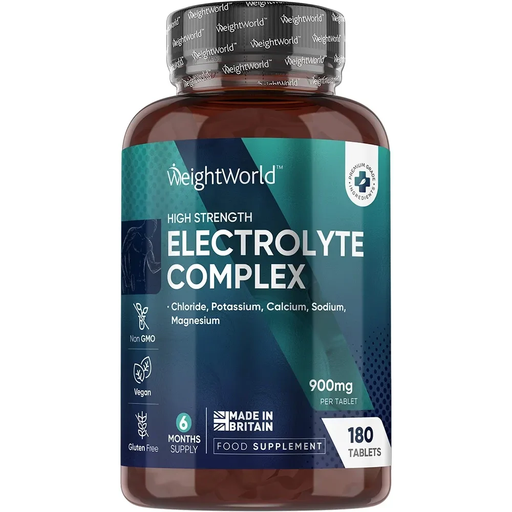
Why this product suits this profile : The bottle of 180 tablets is suitable for users looking for a compact format that requires no preparation and is designed for daily use in line with the label instructions.
The amount of each mineral is stated per tablet. The product contains no sugar or carbohydrates, clearly distinguishing it from a flavoured drink.
Five electrolytes, 180 tablets, sugar-free and gluten-free, with a formula described as vegan in the product details.
We have put together a complete, real-time updated list of products that meet these strict selection criteria and European safety requirements.
Not necessarily. For moderate activity, water and a varied meal may be enough. A formula containing electrolytes may be worth considering depending on the duration and intensity of the exercise, the temperature and how much you sweat. Check the label and avoid taking several similar products.
The former is mainly intended to provide minerals. The latter may contain caffeine, as with some NOCCO cans. A sugar-free energy drink should therefore not be chosen solely for hydration, particularly at the end of the day or if you are sensitive to caffeine.
Follow the best-before date and the manufacturer’s instructions. Close tablet tubes carefully and store them in a dry place. Once opened, several ready-to-drink beverages must be kept in the refrigerator and consumed within 24 hours, or within two to three days depending on the label. If you have kidney disease, are pregnant, are breastfeeding or are taking medication, seek advice from a healthcare professional before using an electrolyte-based food supplement.