
Livraison le jour même ou le lendemain

Qualité garantie

Débloquez vos offres de bienvenue: Livraison GRATUITE | Jusqu'à -80 % | 30 jours d'essai gratuits à JoyPlus
Téléchargez l'application
After a workout, a hike in hot weather, or a busy day, an electrolyte drink can be a handy alternative to plain water when you fancy something different. However, not all products are created equal. Some come as tablets, others are ready-to-drink, enriched with vitamins or boosted with caffeine.
So your choice shouldn't come down to flavour alone, or the promise splashed across the packaging. Here are the key criteria to check, so you can avoid a poor purchase and find a formula that fits your lifestyle.
A drink might boast vitamins, minerals, or a hydration claim without actually delivering a meaningful amount of sodium, potassium, magnesium, or chloride. To compare products properly, always check the nutrition panel and the ingredients list.
A sports hydration drink doesn't necessarily have the same composition as an electrolyte supplement. The former is ready to drink, while the latter usually comes as tablets or powder you mix with water.
A sugar-free drink may contain acesulfame-K, sucralose, or steviol glycosides. That label doesn't guarantee it'll suit everyone's taste or dietary habits. Also check the carbohydrate content, the presence of fruit juice, and the energy value per serving.
Conversely, some sugary drinks can have a composition that's consistent with their intended use. But they don't serve the same purpose as a sugar-free energy drink.
Drinks marketed for energy or fitness can contain caffeine, sometimes in significant amounts per can. That's a key difference from a standard electrolyte drink. If you're after electrolytes for hydration only, check the label before buying – especially if you already drink coffee, tea, or energy drinks.
The most commonly listed electrolytes are sodium, potassium, magnesium, calcium, and chloride. Pay particular attention to sodium and chloride – they can be hidden within a simple total mineral count displayed in large print.
For example, one Nutri&Co tablet provides, according to the product information, 300 mg of sodium, 300 mg of potassium, 120 mg of calcium, 56.25 mg of magnesium, and 323 mg of chloride. These figures allow for a much more reliable comparison than a formula simply labelled as "complete".
Effervescent electrolyte tablets are easy to carry and let you prepare your drink when you need it. Just be sure to follow the recommended water volume: one Nutri&Co tablet dissolves in 300 to 500 ml of water, with a maximum of one tablet per day for adults.
Swallow tablets are another option. WeightWorld recommends one tablet per day, taken with a large glass of water, with no preparation or measuring required. This format can be handy for people who are always on the go, but it doesn't replace a ready-to-drink flavoured beverage.
Compare the values per 100 ml and per actual serving. A 750 ml bottle or a 330 ml can can significantly change the total intake compared to a value given only per 100 ml.
Also look at the additional ingredients: vitamins, plant extracts, BCAAs, fruit juices, flavourings, and caffeine. Coconut water, for example, naturally contains sugars, even when no sugar has been added.
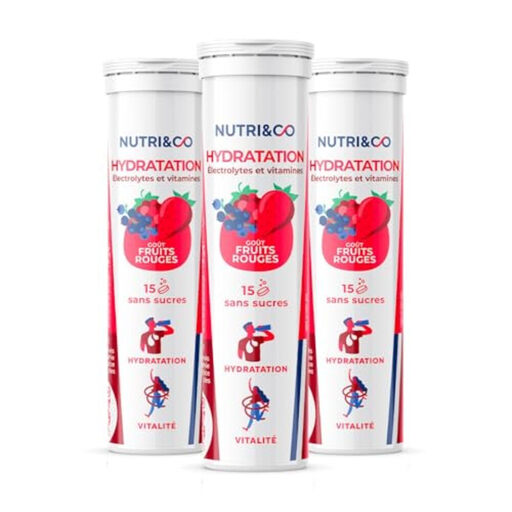
Why this suits this profile: The effervescent format lets you prepare a flavoured drink without stockpiling ready-to-drink bottles. The pack of three tubes contains 45 tablets, and the formula is sugar-free.
The amount of each mineral is listed per tablet, so you're not relying on a vague marketing claim.
300 mg of sodium and 300 mg of potassium per tablet, plus vitamins C, B2, B6, and B9. Red fruit flavour with stevia-based sweetener.
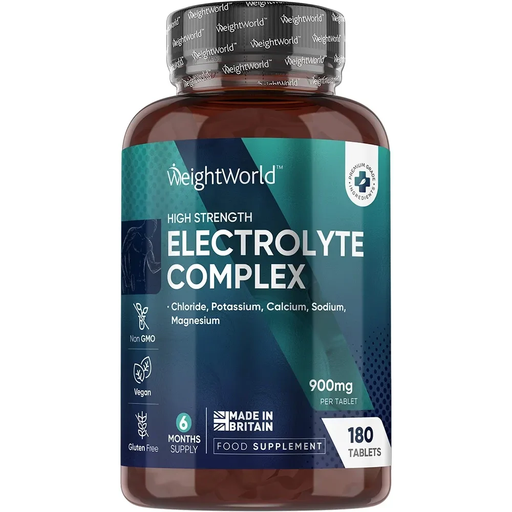
Why this suits this profile: If you prefer to stock up, this bottle of 180 tablets is presented as a six-month supply, based on the recommended dosage.
The composition lists chloride, potassium, calcium, magnesium, and sodium separately, rather than just a total figure.
One tablet provides 930 mg of electrolytes according to the product sheet, with a sugar-free, gluten-free formula that's also vegan.
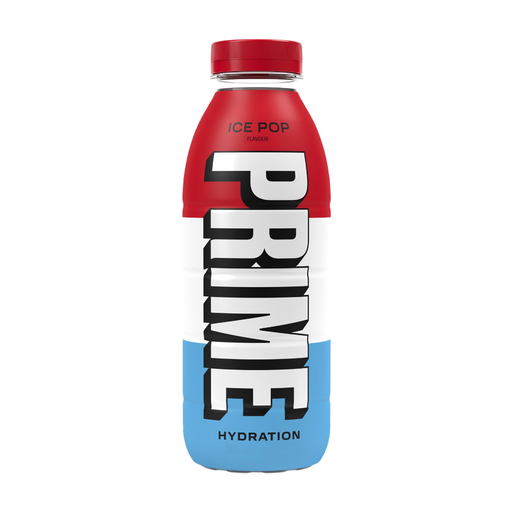
Why this suits this profile: A ready-to-drink bottle is handy when you're out and about, during a fitness session, or after exercise – no need to prepare a tablet.
The product sheet mentions 10.1% coconut water concentrate and lists the sweeteners used, making comparison easier.
500 ml ready-to-drink format, with potassium, magnesium, and vitamins E, B6, and B12. Contains sucralose and acesulfame-K.
We've put together a comprehensive, real-time selection of products that meet these strict criteria and comply with European safety regulations.
Food supplements are not a substitute for a varied diet or a healthy lifestyle. Products containing potassium require particular caution if you have kidney problems or kidney disease. Always stick to the dose stated on the packaging, and consult a healthcare professional if you are pregnant, breastfeeding, or on medication.
It depends on your diet, your activity level, and the formula you choose. For daily use, water remains the go-to drink for most situations. An enriched formula is mainly useful if you fancy a change of flavour or need something convenient. Before drinking one every day, check the mineral content, sweeteners, and recommended dose.
Follow the manufacturer's instructions. A dissolved tablet should be consumed according to the guidelines on the packaging. For ready-to-drink products, manufacturers often recommend refrigerating after opening and consuming within 24 to 72 hours, depending on the product. The expiry date and storage conditions on the physical packaging always take precedence.
No. The "sugar-free" label means little to no sugar, but it doesn't tell you about the amounts of sodium, potassium, or magnesium. Compare the composition per serving, the format, the sweeteners, and whether caffeine is present. This check will help you choose a drink or electrolyte supplement that's genuinely suited to your needs.