Which criteria should you compare?
When deciding which appliance to replace, start with how often you use it. Then compare models in the same category using the same label unit, before choosing a capacity that suits your household.
| What matters to you |
What to check |
Consumers concerned |
| Refrigeration appliance running continuously |
Compare kWh/year figures for appliances of the same type, then check usable capacity and features that run continuously. |
When my fridge runs day and night, I want to keep its energy use down without choosing more capacity than I need. Around 36% of consumers would put this refrigeration-related need first. |
| Laundry cycles |
For a washing machine, check the kWh/100 cycles for the Eco 40-60 programme, water use per cycle and capacity. Check the tumble dryer’s label separately. |
If I do laundry or use the dryer frequently, I want a capacity I’ll actually fill. This would be the main concern for around 29% of consumers. |
| Dishwasher cycles |
Compare kWh/100 cycles and litres per cycle with the place settings capacity and Eco programme duration. |
My dishwasher runs regularly, so I want to avoid extra cycles without installing an appliance that’s too large. Around 21% of consumers would prioritise this balance. |
| Electric cooking |
If you need to replace your hob, check how often you cook and whether your cookware is compatible before considering induction. |
When I replace a hob that I use often, its energy consumption matters to me, but the change needs to work with my pans. Around 14% of consumers would put this need first. |
Appliances to explore on Joybuy
These models let you explore three replacement scenarios: a dishwasher used regularly, a refrigeration appliance that runs continuously, or a washing machine for larger loads. To assess their energy use, check the label and EPREL information for the exact model before comparing appliances in the same category.
 Image unavailable
Samsung DW80H72YBB0U1, 60 cm built-in dishwasher
Worth considering if you’re replacing a built-in dishwasher that gets regular use. Check the dimensions of the space and door panel, then check the capacity and Eco programme figures on the label for the exact model.
View on Joybuy
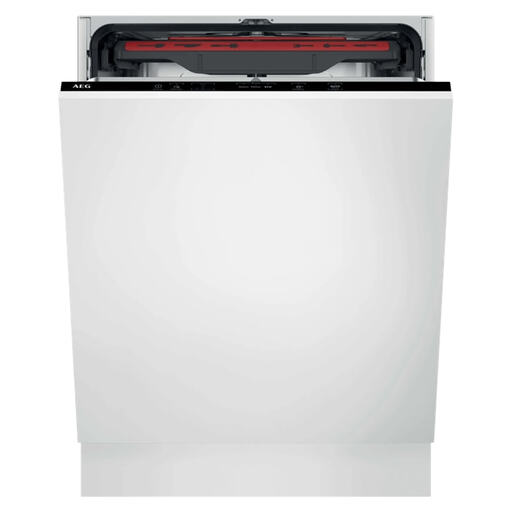 Image unavailable
AEG FSB34707Z, 60 cm fully integrated dishwasher, 14 place settings
Worth considering if you regularly fill a 14-place-setting dishwasher. Make sure it’s compatible with your integrated kitchen setup, then compare its Eco cycle figures with those of similar-sized models.
View on Joybuy
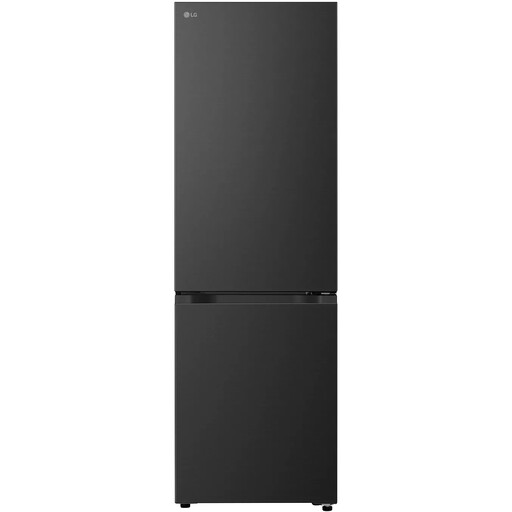 Image unavailable
LG GBBS312AEV, 333 L No Frost fridge-freezer
Worth considering if you need a 333 L fridge-freezer to replace an appliance that runs continuously. Check that the capacity suits your household and the available space, then compare its kWh/year label figure with those of similar fridge-freezers.
View on Joybuy
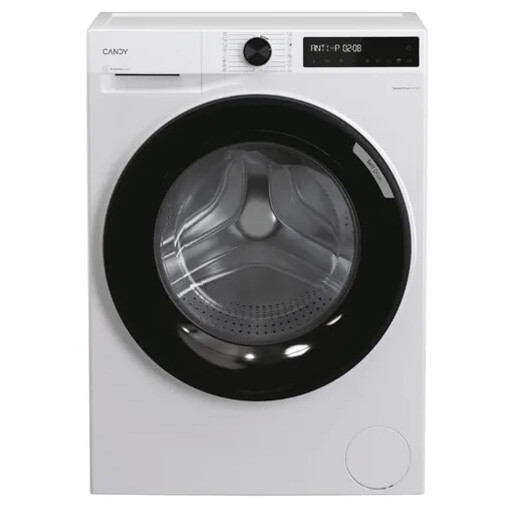 Image unavailable
Candy BR 411BL9-S, 11 kg front-loading washing machine
Worth considering if your usual laundry loads genuinely call for an 11 kg drum; otherwise, this capacity may be more than you need. Compare the Eco 40-60 programme figures on the label and check the durability index that applies to this model.
View on Joybuy
 Image unavailable
Samsung RB33B612EBN, 344 L fridge-freezer
Worth considering if you need a 344 L capacity to replace your fridge-freezer. Check the installation space and how much usable capacity you really need, then compare its kWh/year label figure with those of fridge-freezers in a suitable size.
View on Joybuy
Frequently asked questions
Do large household appliances need an energy label to be compared?
Yes, for the relevant categories. ADEME says the energy label must be displayed both in shops and online. Check the figures specific to each category, including energy consumption and, depending on the appliance, water use or noise levels.
Can you directly compare the kWh figures for a fridge and a washing machine?
No. According to ADEME’s guidance, refrigeration appliances are compared using figures such as kWh/year, while a washing machine’s label shows kWh per 100 reference cycles. First compare appliances in the same category using the same unit. For a washing machine, the reference figures relate to the Eco 40-60 programme, as specified by the European Commission.
Where can you check the energy specifications for a particular model?
Check its energy label and look up its model number in EPREL. According to the European Commission, this public database lets you compare the main specifications of relevant products. Make sure you select the exact variant you’re thinking of buying.
Does the durability index apply to washing machines in France?
Yes. According to the French ministry responsible for ecological transition, washing machines have been covered by the requirement since April 2025. This score out of 10 provides an indication of factors including reliability and repairability; check the score for the model you’re considering, alongside its energy label.
Does a better energy efficiency class guarantee the same savings in every household?
No. The class makes it easier to compare appliances under reference conditions, but your energy use also depends on the capacity you choose, the cycles you run and the features you use. ADEME points out in particular that a refrigeration appliance that’s too large or has too many features can push up your bill.


