Which appliances should you look at first ?
Start with the appliance you own and how often you use it. The energy label can then help you compare appliances that perform the same function and have a suitable capacity; on its own, it can’t predict your energy use at home.
| What matters |
What to check |
Who this matters to |
| Continuous refrigeration |
Compare the kWh/year, usable capacity and features of two appliances with a similar configuration. A larger capacity or certain features, such as an ice maker, can affect the result. |
If my fridge runs day and night, I want to know what difference a model suited to the same storage needs would make. Around 33 % of consumers would put this question first. |
| Frequent washing |
Look at the capacity you’ll actually use and the kWh/100 cycles for the reference programme. Also check water use per cycle and the duration of the Eco programme. |
With regular laundry, I don’t want to underfill a large drum or judge an appliance by its energy rating alone. Washing-related consumption would be the top priority for around 27 % of consumers. |
| Frequent cooking |
Compare appliances that perform the same function and consider how often you use them. If you’re looking at an induction hob, also check that your cookware is compatible. |
I cook often and want to know whether changing my hob or oven would make a noticeable difference to how I use it. Around 20 % of consumers would put this need first. |
| Keep or replace |
Check the current appliance’s consumption and estimate how much longer it could be used. Consider whether it can be repaired before deciding. |
My appliance still works, so I’d rather check what replacing it would actually gain me before getting rid of it. Around 20 % of consumers would put this decision first. |
ADEME provides consumption benchmarks for refrigeration, washing and cooking, but notes that size and features also affect consumption. For a washing machine, kWh/100 cycles refers to a reference programme, so your usual cycles may give a different result.
Appliances to consider on Joybuy
These fridge-freezers and washing machines offer two options for targeted replacement. For each one, start with the capacity you need and compare it with the appliance you already use; this selection won’t make the decision between buying, keeping or repairing for you.
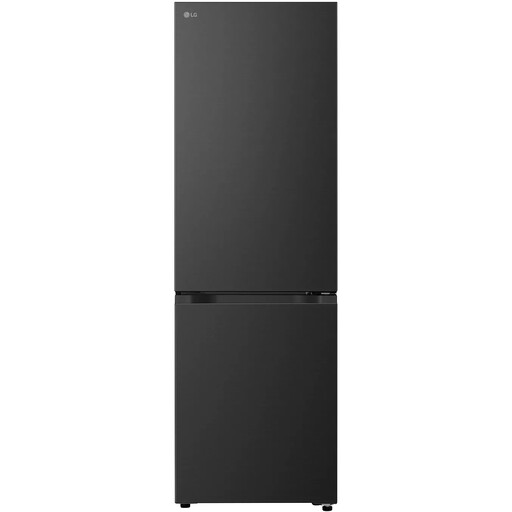 Image unavailable
LG GBBS312AEV, 333 L No Frost fridge-freezer
Worth considering if you’re looking to replace a refrigeration appliance with a model that offers the capacity you need.
Advertised capacity of 333 L and energy class A. Compare its capacity and the annual consumption shown on the energy label with those of your current appliance.
View on Joybuy
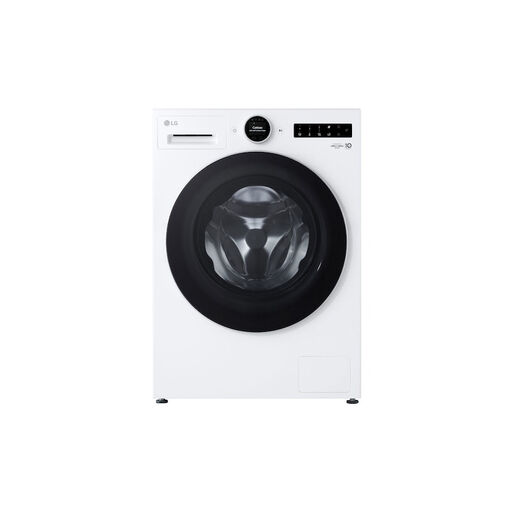 Image unavailable
LG F4WX851Y, 11 kg washing machine
Consider this if your usual loads call for an 11 kg capacity; a drum that’s often only partly full may not suit your goal.
Energy class A. Check the model’s energy label to compare consumption per cycle, and look at its durability index.
View on Joybuy
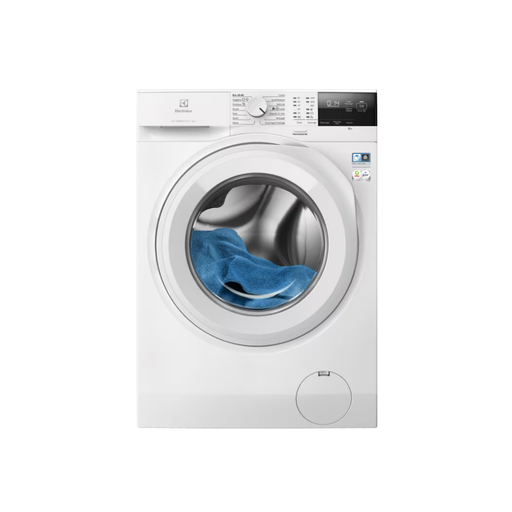 Image unavailable
Electrolux EW6FI4805AW, 8 kg SensiCare washing machine
Worth comparing if an 8 kg capacity suits the size of your regular laundry loads.
Advertised spin speed of 1 400 rpm. Before comparing its consumption figures with another washing machine, check which programme they relate to on the energy label.
View on Joybuy
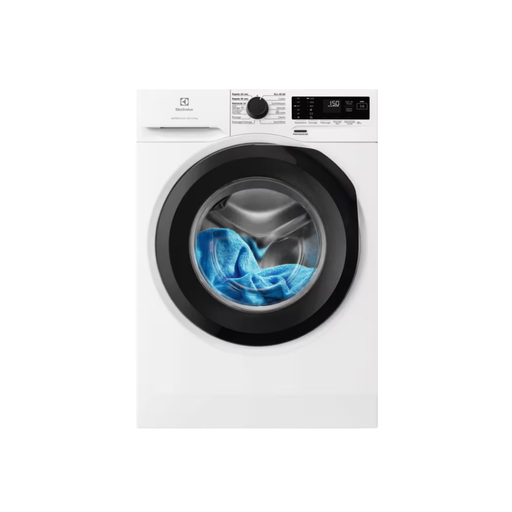 Image unavailable
Electrolux EWF1410N2, 10 kg TimeSave washing machine
Worth considering if you regularly wash large loads, rather than usually running cycles with only a small amount of laundry.
Advertised capacity of 10 kg. To assess its consumption, compare the energy-label figures for the same reference programme and check the model’s durability index.
View on Joybuy
 Image unavailable
Samsung RF50C530EB1, 495 L multi-door fridge
Only consider this if the large capacity suits your storage needs and you have enough space for it.
Advertised capacity of 495 L and energy class E. Check the annual consumption on the energy label and compare it with that of an appliance with a similar capacity and configuration.
View on Joybuy
Frequently asked questions
How can I compare the consumption of my current appliance with that of a new one ?
Use the same unit and compare similar usage for both appliances: kWh/year for refrigeration, or kWh/100 cycles for a washing machine, taking into account how many loads you wash. The size and features should also be similar; otherwise, the difference between two energy labels won’t show what would change in your home.
Is a better energy class enough to justify replacing an appliance ?
No. The class helps you assess a model, but you also need to check its consumption and capacity. For refrigeration, ADEME points out that a larger capacity or extra features can increase consumption; for washing, the number of cycles and the loads you actually wash matter too.
Should I replace a hob that still works ?
Not based on average consumption alone. Whether it’s worth changing depends on how often you cook and the technology you’d be replacing. If you’re considering induction, also check that your pots and pans are compatible.
What are durability and repairability indices for ?
They provide extra information to help you compare certain new appliances, but don’t tell you whether the appliance you own needs replacing. In France, the durability index applies in particular to washing machines and combines reliability with repairability; the repairability index applies in particular to dishwashers. Check the details of the index that applies to the model you’re considering.


