
Livraison le jour même ou le lendemain

Qualité garantie

Débloquez vos offres de bienvenue: Livraison GRATUITE | Jusqu'à -80 % | 30 jours d'essai gratuits à JoyPlus
Téléchargez l'application
A battery that runs out too quickly, an incompatible charger, a tool sold without essential accessories or equipment you can’t use away from a mains socket: electrical equipment and cordless tools cover a wide range of needs, but product listings don’t always make their limitations clear.
Before you place an order, watch out for these three common pitfalls:
Here are the key points to check when comparing cordless DIY tools, chargers and electrical car accessories.
Voltage alone won’t tell you how long a battery will last. At the same voltage, a 2 Ah battery stores less energy than a 4 Ah model. However, it may be lighter and better suited to small jobs or powering devices that don’t need much energy.
Also check that the battery is compatible with your tool. A Greenworks 24 V battery, for example, is designed for Greenworks 24 V tools. Don’t use it with a product from another platform unless compatibility is explicitly stated.
If you’ll be using the tool regularly, check:
Always consider the figures given in context:
Manufacturers’ performance claims don’t guarantee the same results in every situation. The level of dirt, material, temperature, battery condition and electrical setup can all make a noticeable difference.
For car accessories, check the input voltage, connector type and built-in safety features. A dash cam hardwiring kit must be compatible with your vehicle’s fuse box and the camera’s power requirements.
For a 7 kW portable EV charger, check the following in particular:
Charging at 32 A requires a compatible installation. If you’re at all unsure, ask a qualified electrician for advice. Don’t use an adapter or extension lead that isn’t designed for this purpose.
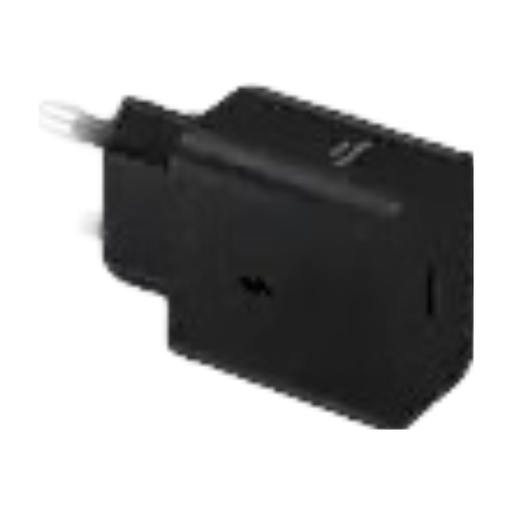
Why it’s a good fit: This compact charger is ideal if you want to power a smartphone, tablet or another USB-C device without carrying around a bulkier setup. Just bear in mind that you’ll need to buy a 5A USB-C cable separately to get the advertised charging speed.
The product listing clearly states that the cable isn’t included and explains what you need to use Super Fast Charging 2.0.
45 W stated output, USB-C port, 100–240 V input, and protection against overloading, overheating and short circuits.
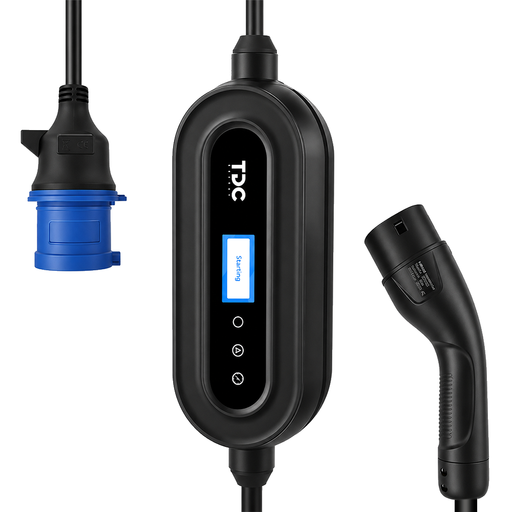
Why it’s a good fit: If you drive an electric car and split your time between home, a second home and different destinations, this portable Type 2 charger could be a good choice. Its charging current is adjustable.
Choose from four current settings to suit the circuit’s capacity, instead of being limited to 32 A every time.
5 m cable, LCD screen, Wi-Fi and Bluetooth connectivity, IP66 protection stated in the listing, and built-in electrical protection.
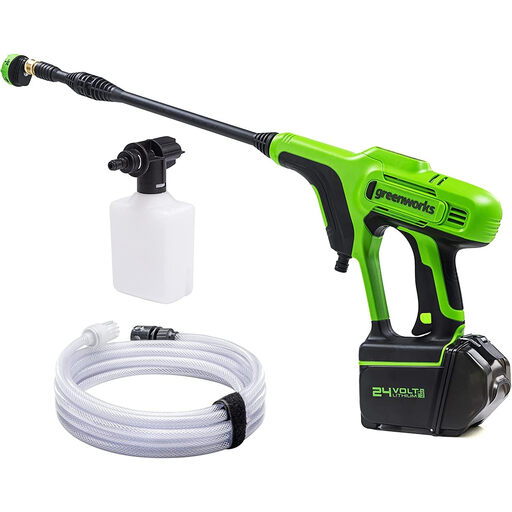
Why it’s a good fit: Battery-powered and fitted with a suction hose, this pressure washer is handy for cleaning a bike, garden furniture, a barbecue or a patio when there’s no water supply nearby.
The product listing specifies that the battery and charger are sold separately, so you can budget for them before buying.
300 W stated motor power, maximum pressure of 24 bar, flow rate of 180 l/h, adjustable 5-in-1 nozzle and a 6 m hose.
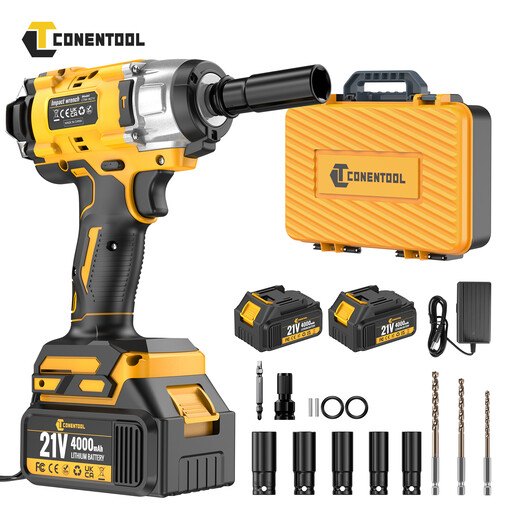
Why it’s a good fit: If you regularly work on wheels, machinery or structures, this cordless tool comes with several sockets to help you get the job done.
The kit includes two batteries, a charger and five sockets, so you won’t need to buy lots of extras before you can get started.
Stated maximum torque of 800 N·m, three speeds, variable trigger, LED light and a 1/2-inch drive.
We’ve put together a comprehensive list, updated in real time, of products that meet these strict selection criteria and comply with European safety regulations.
First, check which battery platform is compatible with your tool. Then choose the capacity based on how long you want to use it and how much weight you’re comfortable carrying. A higher-capacity battery can extend runtime, but it will also be heavier and may take longer to recharge.
The cost depends on the charger’s power consumption, how often you recharge the battery and the cost of replacing it. For a realistic comparison, take into account whether a charger is included, the capacity in Wh and how many accessories you’ll need to buy.
A dash cam hardwiring kit usually connects to the fuse box and converts 12–24 V into a suitable power supply for the camera. The Azdome JYX05 model specifies a maximum output of 5 V/2.5 A, as well as low-voltage protection. Check which type of fuse your vehicle uses, and ask a professional for help if you’re not confident working with electrical installations.