Before replacing a washing, refrigeration or cooking appliance, identify which one is really having the greatest impact on your energy use. Then compare a model with a suitable capacity against your current appliance. If the difference in consumption is small, or a repair is a good option, continuing to use it or changing your habits may make more sense than buying a new one.
Who is this decision for?
Households that rely heavily on a refrigeration appliance
A fridge or freezer runs continuously, as ADEME points out. If you’re thinking of replacing yours, compare its consumption with that of a model with a similar capacity and features before deciding that it should be a priority.
Households that run frequent washing cycles
For a washing machine or dishwasher that gets frequent use, the number of cycles your household runs matters just as much as the figure on the energy label. ADEME recommends comparing factors such as reference consumption, capacity, water use, noise and the length of the Eco programme, depending on the appliance.
Households dealing with a breakdown
Before choosing a new appliance, check the diagnosis, repair options and documentation for your existing model. In France, the durability index is also a useful point of reference when comparing new washing machines, according to ADEME.
Which criteria should you check first?
A high energy bill alone won’t tell you which appliance to replace. For refrigeration, start with annual consumption. For washing, consider the figures per cycle alongside the number of cycles you run.
Replace a specific appliance
When to consider it: the appliance runs for long periods or completes many cycles, and a model with a similar capacity offers a meaningful difference in consumption for the way you use it.
What to bear in mind: a larger appliance or one with different features won’t necessarily provide the same service with the same level of consumption.
Repair it and keep using it
When to consider it: the fault can be repaired and the current appliance’s consumption isn’t a clear reason to replace it.
What to bear in mind: a repair extends the appliance’s useful life but doesn’t, on its own, change its reference consumption.
Change how you use it, without buying a new one
When to consider it: no appliance stands out as a priority, or your household’s habits account for a significant proportion of the cycles you run.
What to bear in mind: running a cycle at a different time won’t automatically reduce the kWh it uses.
| What you’re considering |
What to check |
Consumers concerned |
| Identify which appliance to prioritise |
Note the capacity and annual consumption of a refrigeration appliance, or the number of cycles run by a washing appliance. |
When the fridge runs continuously but washing habits vary from week to week, I want to know which appliance to look at first. Around 31% of consumers put this at the top of their list. |
| Choose between repair and replacement |
Get a diagnosis and check whether parts are available, as well as the durability index if it applies to the new model you’re considering. |
If my appliance breaks down, I want to know whether it can still be useful before replacing it. Almost 25% of consumers prioritise this decision. |
| Match capacity and programmes to your needs |
Compare usable capacities and, for washing appliances, kWh per 100 cycles and the length of the Eco programme. |
I often run small loads and don’t want to choose a capacity I won’t use. Around 19% of consumers prioritise finding an appliance that suits their habits. |
| Assess consumption over time |
Set a period of use and compare appliances of the same type and similar capacity, using kWh per year or per 100 cycles. |
Before replacing an appliance that still works, I want to know whether the difference in consumption will remain significant with the way I use it. This is the top concern for around 25% of consumers. |
Mistakes to avoid
-
Replacing the most noticeable appliance
A fridge runs continuously, while how often you use a washing machine, dishwasher or cooking appliance varies from household to household. Your total energy bill alone therefore won’t tell you which appliance would make sense to replace.
Make a list of the appliances in question, their capacities and how many hours or cycles they’re used for. ADEME recommends considering appliances and how long they’re used when looking at a home’s energy consumption.
-
Comparing energy ratings alone
A letter doesn’t tell you what capacity you need or how much energy is used by the reference programme. Two appliances of different types or sizes won’t necessarily provide the same service.
Compare models in the same category and with a suitable capacity. For washing appliances, also check kWh per 100 cycles, water use and the length of the Eco programme. For refrigeration, look at kWh per year.
-
Overlooking repair options
An energy label doesn’t tell you whether a future fault can be repaired. In France, the durability index for new washing machines provides an additional guide to repairability and reliability, according to ADEME.
Keep the appliance’s full model reference and check the applicable index, the manual and whether the necessary parts are available.
-
Assuming an average difference means guaranteed savings
The difference between two reference consumption figures won’t automatically match the difference for your household: capacity, features and usage can vary from one model to another.
Compare your old appliance with the model you’re considering on a like-for-like basis, then apply the consumption figures to your own years or cycles of use.
Brands to explore for these criteria
Bosch
For Bosch washing, refrigeration or cooking appliances, the exact model reference can help you find the manual and repair options before deciding whether to replace it.
- Bosch says it offers original parts for its large appliances and lets you search for documentation using the E-Nr reference.
- The brand’s statement alone doesn’t establish whether a part is right for your model or whether a repair makes sense in your circumstances.
Miele
Information on some Miele washing machine product pages brings together useful details to help you compare capacity and consumption with your household’s needs.
- Depending on the model, Miele lists the energy rating and capacity, as well as the brand’s own statements about lifespan testing.
- A manufacturer’s test statement doesn’t guarantee the lifespan of an individual appliance and doesn’t apply to the whole range.
Electrolux
Electrolux provides information about the energy labels for several appliance categories, as well as access to manuals by model reference.
- The brand’s resources can help you find the energy label details and support information for the model you’re considering.
- Check the documentation and repair options for the exact model rather than assuming they apply to all Electrolux appliances.
Appliances to compare if you need a replacement
These fridge freezers and dishwashers give you a chance to compare capacity, format and energy rating when you’re considering a replacement. Compare each one with your current appliance and the way you use it. Their inclusion here doesn’t mean that buying one will necessarily reduce your consumption.
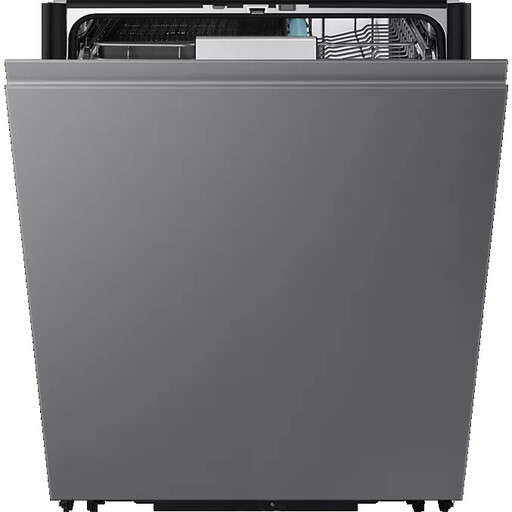 Image unavailable
Samsung DW90H79JAI0U1 Bespoke AI, 14-place integrated dishwasher
Worth considering if you’re replacing an integrated dishwasher and make use of its 14-place capacity.
- Listed width: 60 cm; energy rating A.
- Check the length of the Eco programme and the energy label figures for this model before comparing it with your current appliance.
View on Joybuy
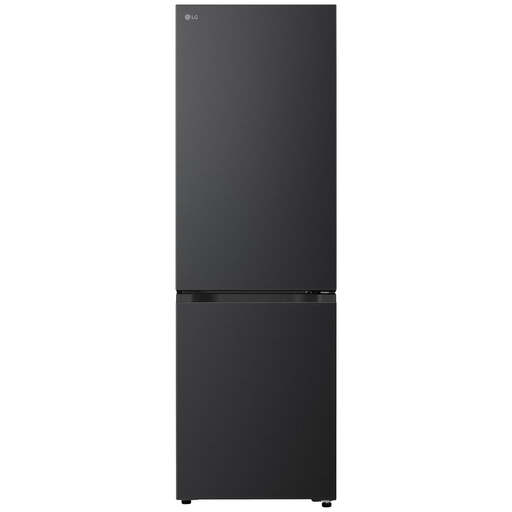 Image unavailable
LG GBBS312CEV NatureFRESH, 333 L black fridge freezer
Compare it with your current fridge freezer if a capacity of 333 L meets your needs.
- Energy rating C.
- To decide whether a replacement makes sense, compare this model’s annual consumption with that of a current appliance of a similar capacity.
View on Joybuy
 Image unavailable
Candy CFQQ5T817EPS, 467 L four-door fridge freezer
This format is worth considering if you’re looking for four doors and need a capacity of 467 L.
- Energy rating E; Total No Frost technology is listed in the model name.
- If its capacity differs from your current appliance, carefully compare your needs and annual consumption.
View on Joybuy
 Image unavailable
Sonlu CC-520WE, 444 L light silver fridge freezer
Worth looking at if you’re considering a 444 L refrigeration appliance and want to check that it will fit your available space.
- Energy rating E; listed as a frost-free model.
- Before considering a replacement, compare its annual consumption with that of your current appliance, assuming a similar capacity and pattern of use.
View on Joybuy
 Image unavailable
AEG FSB34707Z, 14-place fully integrated dishwasher
Worth considering if you’re replacing a fully integrated dishwasher and 14 place settings suit the loads you usually run.
- Listed width: 60 cm; energy rating C.
- Check the energy label for the exact model to compare consumption on the same cycle basis.
View on Joybuy
Frequently asked questions
Which energy label figures should I compare?
Start by comparing appliances in the same category and with a similar capacity. For washing machines and dishwashers, ADEME gives the consumption in kWh per 100 cycles. Also check water use, capacity and the length of the Eco programme. For a refrigeration appliance, use the annual consumption in kWh and take its capacity into account.
Is the Eco programme suitable for every wash?
No. Check that it’s suitable for the laundry or dishes in question and that its duration works for you. For washing machines, the European Commission links consumption and usage requirements to the reference ‘eco 40-60’ programme. The figure on the energy label therefore doesn’t describe every programme you might use.
Does the durability index apply to new washing machines in France?
Yes. According to ADEME, this requirement applies to washing machines sold in France since April 2025. The index combines repairability and reliability criteria. It helps you compare new models, but doesn’t guarantee the lifespan of the one you buy.
Should you replace an appliance as soon as it breaks down?
No. Get a diagnosis and look into repair options before deciding. Then compare your existing appliance’s consumption with that of a new model that provides a similar service. ADEME encourages people to keep household appliances for as long as possible. A breakdown alone isn’t enough to show that replacement is worthwhile.


