
Livraison le jour même ou le lendemain

Qualité garantie

Débloquez vos offres de bienvenue: Livraison GRATUITE | Jusqu'à -80 % | 30 jours d'essai gratuits à JoyPlus
Téléchargez l'application
An electric toothbrush can help you establish a regular brushing routine, but the promises printed on the packaging aren't enough to make the right choice. An impressive battery life might hide an inconvenient charger, while a high speed doesn't necessarily guarantee comfortable brushing, especially if you have sensitive gums.
Here are the criteria to consider before buying, along with a selection of models suited to different needs.
A sonic toothbrush capable of tens of thousands of movements per minute might seem more effective. However, your brushing technique, the shape of the brush head and how consistently you brush remain the most important factors. A high number doesn't tell you much about comfort, noise level or ease of control.
Brushing too hard can make the experience uncomfortable and irritate your gums. Without a pressure sensor, it's up to you to correct your own technique. For those with sensitive teeth or gums, a light, sound or vibration signal can serve as a useful guide, though it doesn't replace professional dental advice.
A rechargeable toothbrush may come with several accessories, but you also need to check the availability and compatibility of replacement heads. Manufacturers generally recommend replacing them regularly, often every three months or so, or sooner if the bristles become worn. The real cost over time therefore depends on the price of refills too.
Sonic models produce rapid vibrations and are typically moved from tooth to tooth, without requiring a vigorous scrubbing motion. Rotating or oscillating models use a round head and a more targeted mechanical movement. The sensation in your mouth differs, so it's best to choose based on your comfort and habits.
To compare other formats, also check out our selection of rotating toothbrushes.
A two-minute timer, combined with a 30-second reminder, helps you distribute brushing time evenly across the four zones of your mouth. This feature is particularly useful if you tend to cut your brushing short or, on the other hand, spend too long on the most visible teeth.
For daily use, make sure to check:
A long battery life means you can charge less often, but it doesn't remove the need to check the availability of the cable and compatible heads.
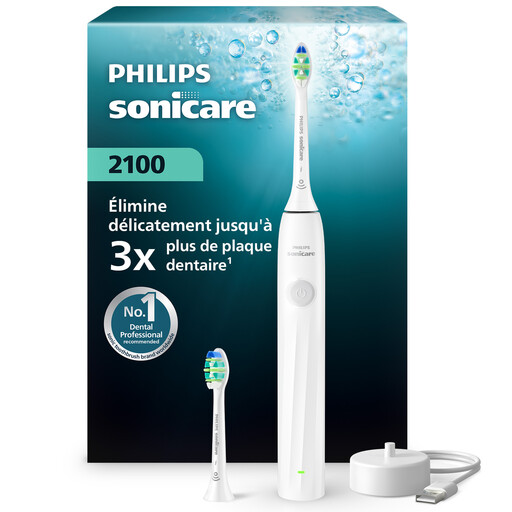
Why this choice suits this profile: This rechargeable electric toothbrush focuses on simple handling, two intensity levels and an advertised battery life of up to 14 days. It's suitable for adults moving from a manual brush to a sonic model without needing connected features.
The SmarTimer and QuadPacer features prevent you from cutting your brushing session too short. The EasyStart function gradually increases power over the first 14 uses as advertised.
Sonic technology advertised at 31,000 movements per minute, two intensity levels and an InterCare brush head included.
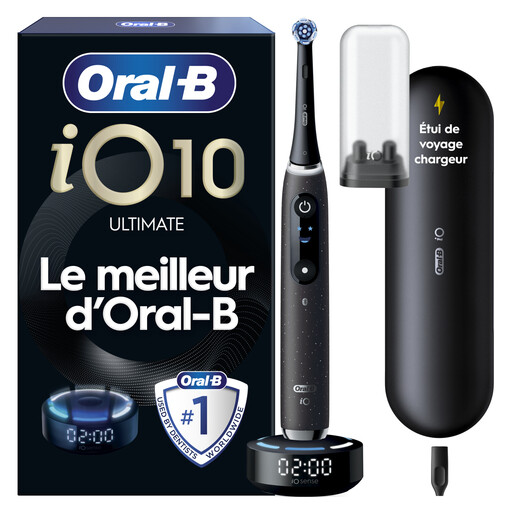
Why this choice suits this profile: Its display screen, seven modes and iO Sense system are designed for users who want to track their routine more precisely and personalise their brushing.
The pressure sensor indicates whether your brushing is too hard, too light or just right. The travel case also allows you to charge the brush while on the go.
Seven modes, interactive display, Bluetooth connectivity and travel charger included.
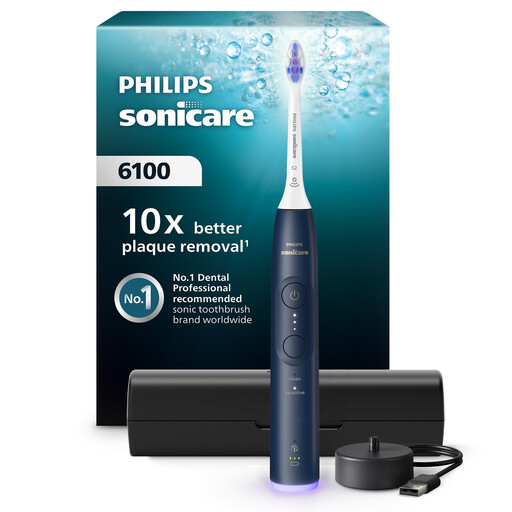
Why this choice suits this profile: With an S2 Sensitive brush head, two modes, three intensity levels and a travel case, this model is aimed at users who want to fine-tune their brushing comfort and who travel regularly.
The sensor alerts you if you're pressing too hard, while the very soft bristle head lets you choose a gentler intensity depending on your comfort needs.
Advertised battery life of up to 21 days, BrushSync replacement reminder and travel case included.
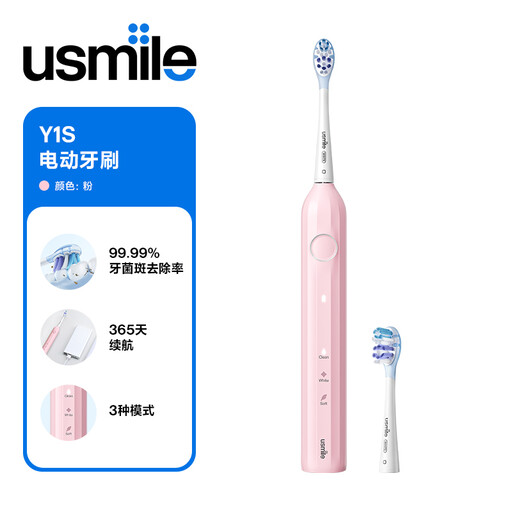
Why this choice suits this profile: This adult sonic model combines three modes, a travel case and an advertised battery life of up to six months. It's therefore suitable for long trips as well as for users who rarely charge their devices.
The smart timer reminds you to change zones every 30 seconds, while the case protects the brush during transport.
Three modes, advertised IPX7 water resistance, travel case and advertised battery life of up to six months on a single charge.
We've put together a comprehensive, real-time updated list of products that meet these demanding selection criteria and European safety standards.
To get the most out of your rechargeable toothbrush, a few simple steps are all it takes:
Models with a timer are generally set for a two-minute session, with reminders for each zone. The exact duration should follow the manufacturer's instructions and your own brushing habits.
It depends on the battery, how often you use it, how well you maintain it and the availability of compatible brush heads. Before buying, check the warranty period, the accessories included and the charging conditions.
The purchase price is only part of the overall cost. You also need to factor in replacement heads, the electricity used and, for some models, specific accessories. A long battery life can reduce how often you need to charge, but it doesn't eliminate the need to replace the brush heads periodically.