
Livraison le jour même ou le lendemain

Qualité garantie

Débloquez vos offres de bienvenue: Livraison GRATUITE | Jusqu'à -80 % | 30 jours d'essai gratuits à JoyPlus
Téléchargez l'application
An electric toothbrush can make daily brushing simpler and more consistent. But marketing promises alone aren't enough to make the right choice. Record battery life, dozens of modes or technology billed as revolutionary: some features are genuinely useful, while others mainly push up the price without necessarily meeting your needs.
Before buying a rechargeable electric toothbrush, focus on three criteria: the movement technology, the presence of a pressure sensor and the availability of compatible brush heads. These elements will have far more impact on your daily routine than the long list of functions printed on the box.
A sonic toothbrush often boasts a high number of vibrations per minute. This figure tells you about the motor's operation, but it doesn't guarantee better brushing on its own. The shape of the head, the softness of the bristles, the noise level and how you guide the brush all matter just as much.
Oscillating-rotating models, such as certain Oral-B toothbrushes, use a round head and a specific movement. Sonicare models typically rely on sonic technology and an elongated head. There's no one-size-fits-all answer: the best choice is the one that suits your habits and comfort.
Modes like 'whitening', massage, gum care or deep clean can have their place. In most cases, however, a simple routine is more than enough. A whitening toothbrush doesn't change the natural colour of your teeth: depending on the head used and the manufacturer's recommendations, it can only help remove certain surface stains.
If you have sensitive teeth, opt for an adjustable intensity and a head with soft bristles. Brushing too vigorously can quickly become uncomfortable, regardless of the model you choose.
A high-performance handle loses much of its appeal if replacement brush heads are hard to find or incompatible. Check the type of head accepted, the price of refills and the recommended replacement frequency: generally every three months, or sooner if the bristles start to wear.
For travel, a carrying case, a cable compatible with UK plugs and decent battery life can prove more useful than a mobile app.
With an oscillating-rotating brush, you move the head slowly from one tooth to the next. Sonic technology, on the other hand, is guided gradually along the gum line, without the back-and-forth motion of a manual brush.
In both cases, choose a handle that's easy to grip, a head suited to your teeth and a vibration level you find comfortable. The noise level can also be a deciding factor, especially if you share a bathroom.
An electric toothbrush with a pressure sensor can alert you to excessive pressure through a light, a vibration or an automatic reduction in power. This feature doesn't replace a gentle touch, but it helps you become aware of a habit of brushing too hard.
People with sensitive gums may also want to look for a reduced intensity and a head specifically designed for this purpose. If you experience persistent pain or irritation, stop using the device and seek advice from a healthcare professional.
A two-minute timer, with a reminder every 30 seconds, helps you distribute brushing time across the four areas of your mouth. It's a basic feature, but often more useful day-to-day than settings you quickly forget about.
A waterproof toothbrush doesn't mean its charger is too. The IP rating usually applies to the handle, not the base or the adapter. Never immerse the charger in water, and dry the handle before placing it back on its base.
For travel, compare the advertised battery life, the type of cable and whether a case is included. A long-lasting battery reduces the need for recharging, but also check the charging conditions and electrical compatibility.
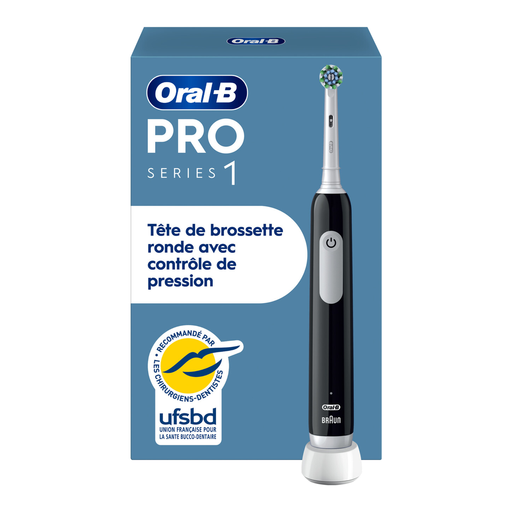
Why this choice suits this profile: This adult toothbrush keeps things simple, with a CrossAction head, a two-minute timer and reminders to switch zones.
It avoids piling on settings and includes a sensor that reduces speed if pressure becomes excessive.
Oscillating-rotating movement, charging base, IPX7 handle and head included.
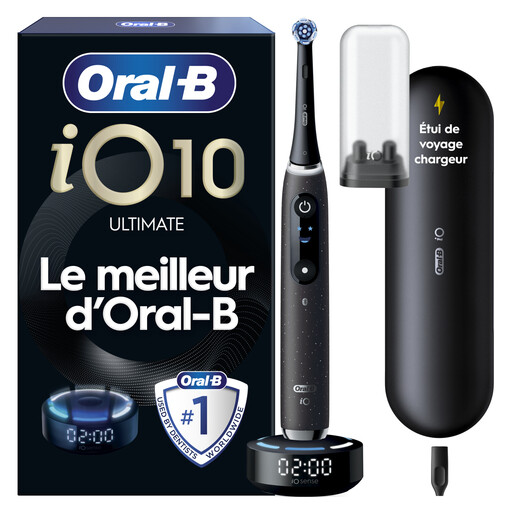
Why this choice suits this profile: Its display, seven modes, Bluetooth connectivity and rechargeable travel case cater to users who like to track their brushing in fine detail.
The pressure sensor alerts you if the contact is too firm, while the iO Sense charger provides guidance without needing to check your phone.
Seven modes, position detection, pressure sensor and travel case with charging.

Why this choice suits this profile: This Philips Sonicare toothbrush combines an S2 Sensitive head, two modes, three intensities, up to 21 days of advertised battery life and a case.
The soft-bristle head and pressure control allow you to adapt your brushing when your gums react to high intensity.
Two modes, three intensities, pressure sensor, BrushSync reminder and up to 21 days of advertised battery life.
We've put together a comprehensive list, updated in real time, of products that meet these demanding selection criteria and European safety regulations.
It all depends on the battery, the motor, how well you look after it and the availability of compatible parts. Rinse the head after each use, let it dry and avoid getting the charger wet. Replace the brush head as soon as the bristles start to splay, typically every three months according to the manufacturer's recommendations.
The electricity consumption is generally low. The recurring cost mainly comes from replacement heads. Before you buy, compare their price, availability and compatibility. A cheaper brush at the till can end up costing more if its refills are hard to find or only sold in specific packs.
Apply toothpaste, place the head on your teeth before switching the device on, then guide it slowly without pressing. Use the two-minute timer and change zone every 30 seconds when this feature is available. The charger should be kept away from water, even if the handle is waterproof.