
Livraison le jour même ou le lendemain

Qualité garantie
Téléchargez l'application
Catégories
Switching to an electric toothbrush is a significant step towards improving your oral hygiene. However, with an overwhelming number of options on the market, navigating the different technologies and marketing claims can be challenging. As a Product Recommendation Officer at Joybuy, my role is to help you gain clarity by providing objective benchmarks to make an informed choice that suits your needs and budget.
This guide focuses on tangible features and user benefits—without unnecessary jargon—to help you select a device that will provide long-term satisfaction.
Before diving into our selection, here are a few key points to consider that will guide your decision. These criteria are based on practical features that have a direct impact on the daily brushing experience.
This is the most fundamental criterion. There are two main technologies on the market:
The choice depends on your dental sensitivity and personal preference.
Brushing too aggressively can damage your tooth enamel and irritate your gums. The pressure sensor is an essential feature that alerts you (with a light, vibration, or speed reduction) when you apply too much pressure. It's a true safeguard for preserving your oral health and a relevant selection criterion for most users, whether they are beginners or experienced.
If you travel frequently, battery life and the inclusion of a travel case are elements not to be overlooked. A rechargeable toothbrush that offers several weeks of use on a single charge will save you from having to pack the charger every time. A rigid protective case ensures perfect hygiene and protects your device in your luggage, making your brush a true travel toothbrush companion.
Here is a selection of models that stand out for their technical features and suitability for specific needs.
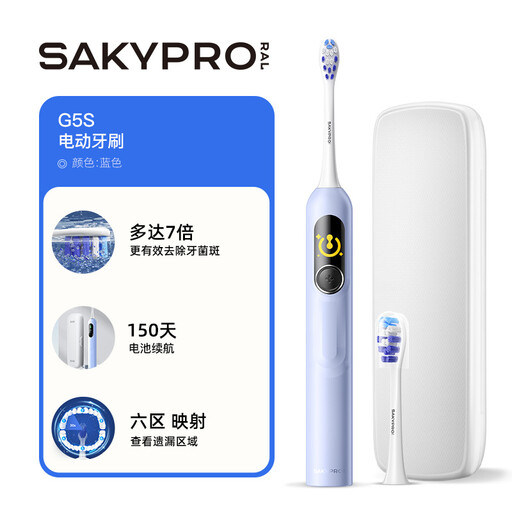
Why we recommend it: This model stands out for its technological approach. The smart screen provides real-time feedback on brushing zones, which can help improve your technique. Its record-breaking 150-day battery life is a major asset for those who want maximum peace of mind, whether at home or on the go.
Pros:
Who is this product for: Tech-savvy users looking for guidance to perfect their brushing, as well as frequent travellers who don't want to worry about recharging.
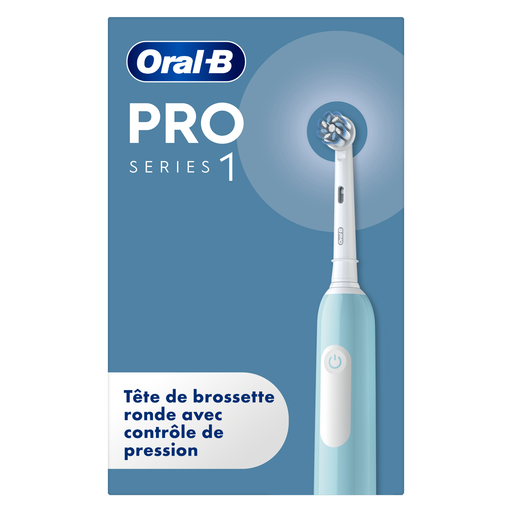
Why we recommend it: The Oral-B Pro Series 1 is an excellent entry point into the world of electric toothbrushes. It focuses on the essentials: effective 3D oscillating-rotating technology and a pressure sensor to protect your gums. It's a pragmatic choice that gets straight to the point.
Pros:
Who is this product for: Individuals new to electric toothbrushes who are looking for a simple, reliable model equipped with essential safety features.
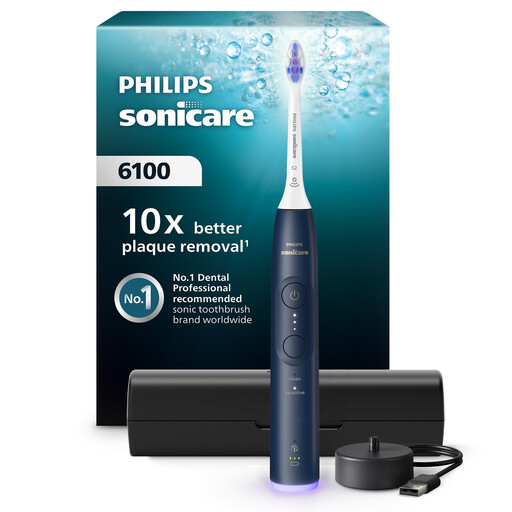
Why we recommend it: This Philips model combines the gentleness of sonic toothbrush technology with smart features. According to information provided by Philips, its technology removes up to 10 times more plaque than a manual brush. The pressure sensor and BrushSync technology (which alerts you when to change the brush head) make it a comprehensive and thoughtful device.
Pros:
Who is this product for: Users with sensitive teeth or gums who don't want to compromise on cleaning effectiveness. It's also a great choice for those who appreciate automatic reminders for device maintenance.
The selection above highlights models that cater to a variety of needs. However, if your requirements are different or if you wish to explore options with more specific features (advanced Bluetooth connectivity, multiple cleaning modes, etc.), we invite you to discover our full range of pro electric toothbrushes.
The main difference lies in the motion. An oscillating-rotating brush has a small, round head that rotates and pulsates to clean each tooth individually. A sonic toothbrush has a more traditional brush head that vibrates at very high speed to dislodge plaque, including in hard-to-reach areas, through hydrodynamic action. The choice is often a matter of personal preference and gum sensitivity.
Most manufacturers and dentists recommend replacing the brush head every three months, or sooner if the bristles are visibly worn or frayed. Worn bristles are less effective at removing plaque and can harbour bacteria. Some models, like the Philips Sonicare 6100, feature an automatic reminder to help you.
Numerous clinical studies show that electric toothbrushes, when used correctly, can remove more plaque and reduce gingivitis more effectively than a manual toothbrush. Their built-in timers and pressure sensors also help you adopt better brushing habits, ensuring you brush for the dentist-recommended time and protecting your gums from excessive pressure.