
Livraison le jour même ou le lendemain

Qualité garantie

Débloquez vos offres de bienvenue: Livraison GRATUITE | Jusqu'à -80 % | 30 jours d'essai gratuits à JoyPlus
Téléchargez l'application
Switching from a manual to an electric toothbrush is a giant leap forward for your oral hygiene. But there's a catch: the market is saturated with options, technologies, and marketing claims, making it easy to get lost. Between a Philips Sonicare electric toothbrush and an Oral-B electric toothbrush, sonic or oscillating-rotating technology, with or without a connected app… how do you navigate it all?
My role, as Head of Product Recommendations at Joybuy, is to help you see things more clearly. This guide breaks down the features that really matter and presents a selection of top models to help you make the right choice, based on your needs and budget.
Before diving into an electric toothbrush comparison, it's essential to understand the criteria that truly make a difference. Here are three key points to guide you.
This is the main battleground between the two leading brands.
Ultimately, the choice will largely depend on your personal preferences and the sensation you're looking for.
Brushing too hard is one of the main causes of gum recession and enamel wear. The pressure sensor is not a gimmick: it's an essential feature. When you press too hard, the brush alerts you with a light, a vibration, or an automatic reduction in intensity. This is a crucial safeguard that should not be overlooked, even on entry-level models.
Entry-level models often come with just a single standard cleaning mode. More advanced toothbrushes offer multiple modes: whitening, gum care, deep clean, etc.
A connected toothbrush, on the other hand, syncs with an app on your smartphone. It can guide you in real-time to ensure you don't miss any areas, track your habits, and provide personalised tips. This is an interesting option for tech enthusiasts or for anyone who wants a true coach to perfect their technique.
Here are three models that stand out from the crowd, each with its own strengths.
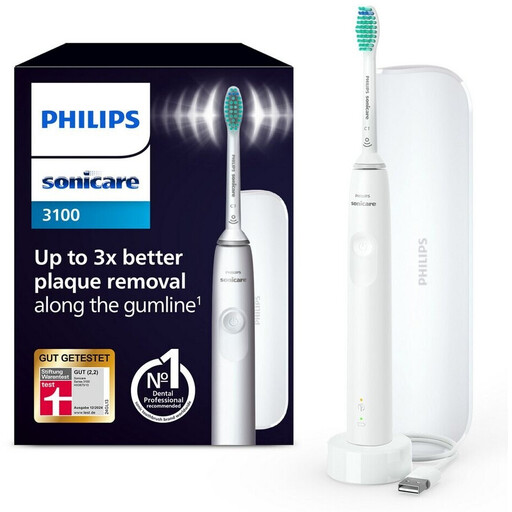
Why it stands out: This model is an excellent entry point into the Philips Sonicare universe. It incorporates the brand's essential technologies (sonic action, pressure sensor) in a simple, effective, and affordable package.
Key features:
Who is it for? Ideal for those new to electric toothbrushes or anyone looking for a reliable, no-frills solution. The goal here is simple: effective cleaning and optimal gum protection.
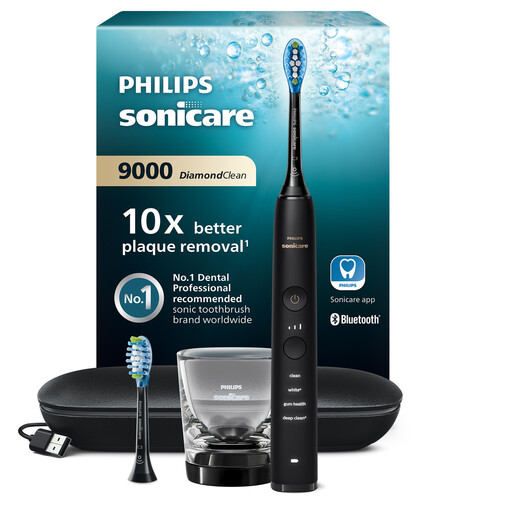
Why it stands out: The DiamondClean 9000 combines an elegant design with advanced personalisation and connectivity features. It's the ideal choice for those who want to target specific needs, like teeth whitening. Reviews for the Philips DiamondClean often highlight its effectiveness and aesthetic appeal.
Key features:
Who is it for? For demanding users who want a tailored experience, value aesthetics (whitening, design), and appreciate app-based tracking.
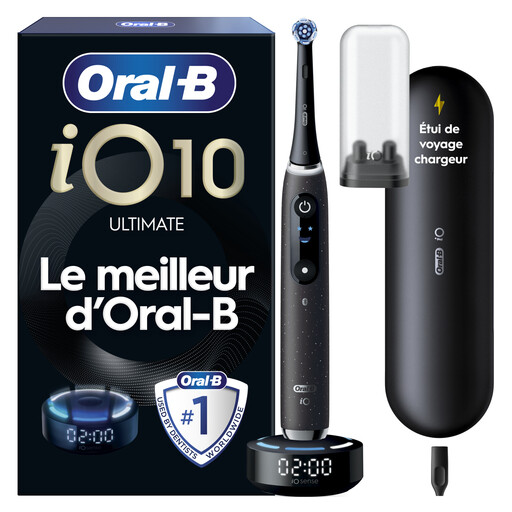
Why it stands out: The Oral-B iO 10 is the brand's technological flagship. Its iO Sense smart charger provides real-time feedback on brushing coverage, pressure, and duration directly on the base, without even needing to launch the app.
Key features:
Who is it for? For perfectionists and tech enthusiasts who demand real-time coaching to ensure every brushing session is absolutely perfect. It's a true personal assistant for your oral hygiene.
The choice of an electric toothbrush also depends on your lifestyle. For frequent travellers, a sturdy and practical travel case is an important selection criterion. If accessories are a deciding factor, explore all the options available to you.
Discover our selection of accessories, including the Electric Toothbrush Travel Case, to protect your device on the go.
The main difference lies in the brushing technology. Philips Sonicare uses sonic technology (high-frequency vibrations) with a classic-shaped brush head, while Oral-B favours oscillating-rotating technology (or magnetic on iO models) with a round brush head. The sensation and brushing method differ slightly, so the final choice is primarily a matter of feel and personal preference.
Absolutely. We consider it an essential feature. Brushing too aggressively can damage your gums and tooth enamel in the long run. The pressure sensor acts as a safeguard by alerting you immediately, helping you build better habits and protect your oral health.
Ideally, you should replace your electric toothbrush head approximately every three months, or as soon as the bristles show signs of wear. Worn bristles are less effective at removing plaque. Fortunately, many models, like the ones in our selection, include a reminder (like BrushSync from Philips) that tells you when the time has come.