
Livraison le jour même ou le lendemain

Qualité garantie

Débloquez vos offres de bienvenue: Livraison GRATUITE | Jusqu'à -80 % | 30 jours d'essai gratuits à JoyPlus
Téléchargez l'application
Switching from a manual to an electric toothbrush is a game-changer for your oral hygiene. The problem? The market is a real headache, flooded with a dizzying array of models and confusing marketing claims. As a product expert at Joybuy, my job is to cut through the noise for you. Together, let's break down the criteria that truly matter so you can make an informed decision and avoid costly pitfalls.
Before diving into the technical specs, let's start by sidestepping the most common mistakes.
To make the right choice, it's best to focus on three features that make a real difference in your daily routine.
This is the great debate between the two industry giants: Philips Sonicare and Oral-B.
The final choice will depend on your sensitivity and personal preference. Neither technology is objectively superior to the other, but they offer distinctly different brushing experiences.
Far from a gimmick, a toothbrush with a pressure sensor is a true safeguard for your gums. Brushing too hard can cause gum recession and prematurely wear down enamel. The sensor alerts you (via a light ring that turns red or a vibration) as soon as you apply too much force. This is a non-negotiable feature for preserving the long-term health of your smile.
A good rechargeable toothbrush should offer a solid battery life of at least two weeks, based on two brushes per day. For those on the go, two points are worth watching:
Instead of an endless list, here is our curated selection based on user profiles, using the criteria we've just discussed.
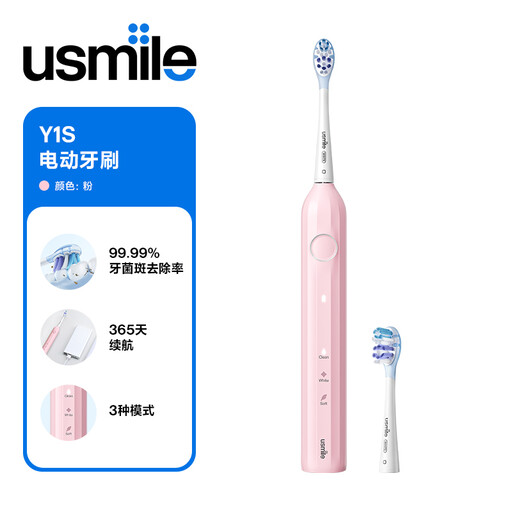
Why it's a match: This user gets straight to the point: they want an effective clean, a battery that lasts, and no useless gadgets. The usmile Y1S checks all these boxes with its minimalist yet high-performance philosophy.
It thumbs its nose at gimmicks and low-battery anxiety. With up to 6 months of battery life on a single charge and no superfluous app, it focuses on the essentials: 3 modes, a timer, and proven sonic technology.
Its record-breaking 180-day battery life eliminates charging anxiety. Delivered with its case, it's ready for daily use and getaways alike.
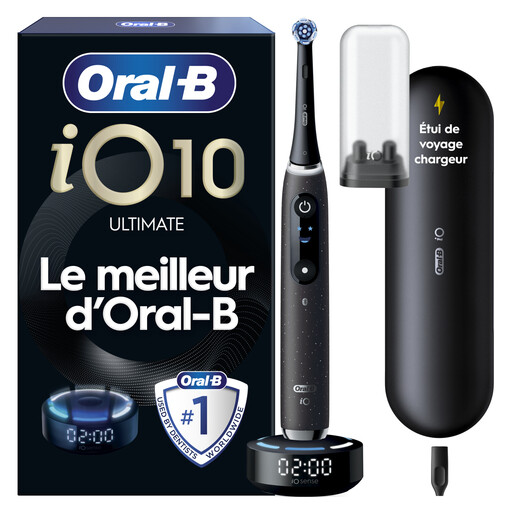
Why it's a match: This user is a technophile: they want the best of the best to optimise their brushing. Data tracking, customisation, and real-time feedback to perfect their technique is right up their alley.
Here, "smart" technology isn't a gimmick. The iO Sense charger provides live coaching (pressure, duration, coverage) without even needing to pull out your smartphone. The intelligence finally serves the user, not the other way around.
The real-time coaching via the charger, 7 bespoke brushing modes, and AI-powered position detection ensure a comprehensive clean that leaves no tooth behind.
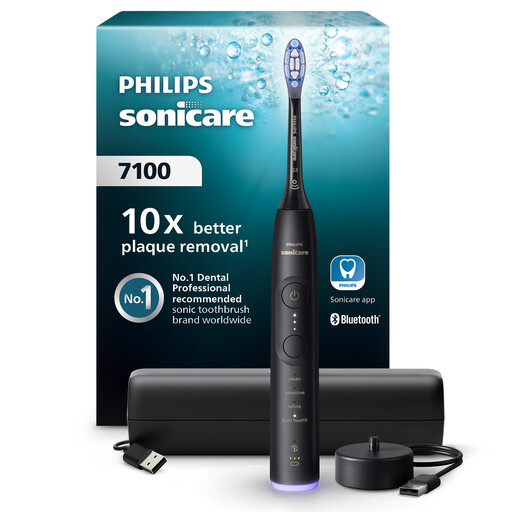
Why it's a match: For globe-trotters, reliability and convenience are paramount. They need rock-solid battery life and a universal charging solution, without compromising on brushing quality.
It tackles the headache of travel charging head-on. Its case integrates a USB port, allowing you to charge it with the same cable as your smartphone. No more proprietary charger left behind in a drawer!
The USB-rechargeable travel case is its killer feature. Add to that 21 days of battery life and 12 settings (4 modes, 3 intensities), and you have the perfect travel companion.
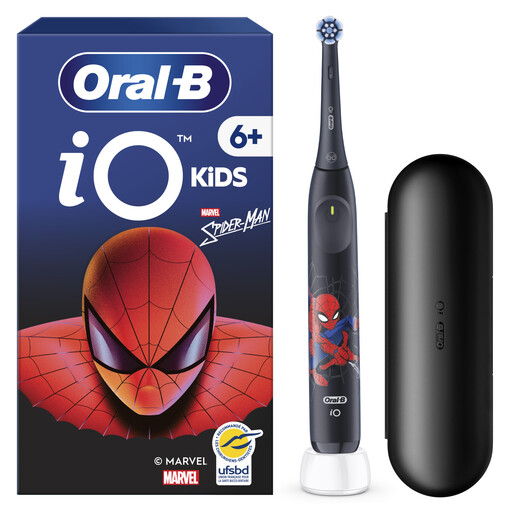
Why it's a match: Parents want a solution that is effective, but above all, 100% safe for their children. This model is designed to be gentle, fun, and educational, with reassuring safety features.
More than just a superhero design, it features iO technology and its renowned pressure sensor. If the child presses too hard, the brush slows down and lights up red. It's active protection for fragile teeth and gums.
The smart pressure sensor and ultra-gentle modes, specially calibrated for children aged 3 and up, offer parents real peace of mind.
We have selected a complete range of essential accessories for you, such as travel cases, that meet the same high standards of quality and safety.
What is the lifespan of an electric toothbrush? The handle is designed to last several years, typically 3 to 5. The weak link is often the rechargeable battery. As a rule of thumb, the manufacturer's warranty (often 2 years) gives a good indication of the minimum lifespan to expect.
Is a connected toothbrush really useful? It all depends on your own discipline. For some, app-based tracking is a real source of motivation to improve their technique. For many others, the app ends up gathering digital dust, turning the feature into an expensive gimmick. The best compromise? Perhaps models that display key information directly on the handle or charging base.
How often should you change the brush head, and what does it cost? Most manufacturers, including Philips and Oral-B, recommend replacing the brush head every three months, or as soon as the bristles become frayed. This is a significant cost to anticipate: expect to pay between €5 and over €10 per unit. It's a budget item not to be forgotten at the time of the initial purchase.