
Livraison le jour même ou le lendemain

Qualité garantie

Débloquez vos offres de bienvenue: Livraison GRATUITE | Jusqu'à -80 % | 30 jours d'essai gratuits à JoyPlus
Téléchargez l'application
Switching to an electric toothbrush is an excellent decision for your oral health. The problem? The market is a marketing jungle where it's easy to get lost. Between unrealistic battery life claims and an avalanche of brushing modes, buyer's remorse is never far away.
As a product expert at Joybuy, my mission is to help you cut through the noise. Let's break down the pitfalls to avoid and the essential criteria for finding the model that's truly right for you.
Before diving into spec sheets, it's crucial to know how to see through marketing claims that hide a much less appealing reality.
To make an informed choice, focus on the technical features that truly make a difference in your daily routine.
This is the starting point. The market is divided into two main technologies:
The final choice will depend on your sensitivity and preferences, but sonic technology has established itself as a benchmark, combining effectiveness with a gentle touch.
Beyond the technology, two functions stand out for their daily usefulness:
A good rechargeable toothbrush should last at least two to three weeks with two brushing sessions per day. For those on the go, a travel electric toothbrush with several months of battery life and USB-C charging is a real bonus: no more bulky proprietary charger to pack in your toiletry bag!
Rather than an endless list, we've selected models that meet specific user profiles, applying the criteria we've just discussed.
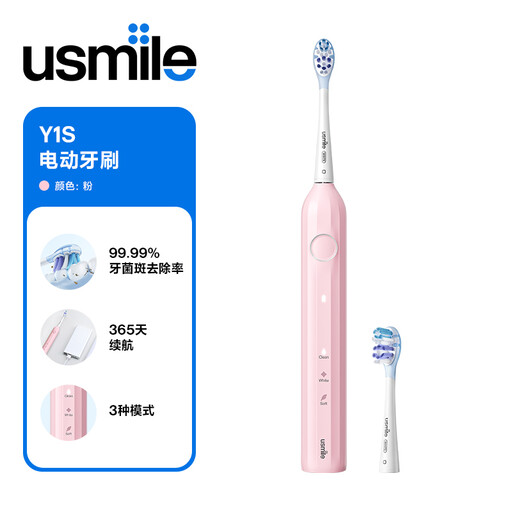
Why we chose it: Perfect for those who always forget their charger. Its record-breaking battery life makes it the king of travel toothbrushes, without sacrificing daily brushing performance.
It delivers on its promise of extra-long battery life. A single charge for up to 6 months of use is a real, game-changing performance.
A record-breaking 180-day battery life and 3 modes that cover the essentials (Clean, White, Soft). Its travel case is included.
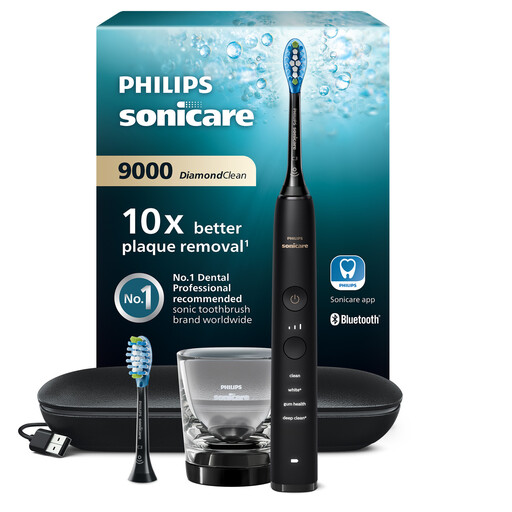
Why we chose it: This is the perfectionist's choice for a connected experience and precise tracking. Ideal for improving your brushing technique and targeting specific goals (whitening, gum care...).
It avoids the gimmick mode trap. Its 4 programs (Clean, White+, Gum Health, Deep Clean+) are relevant and distinct. The Sonicare app adds real value by guiding your brushing.
The Bluetooth connectivity with real-time coaching, the smart pressure sensor, and its premium accessories, like the elegant charging glass and USB-rechargeable travel case.
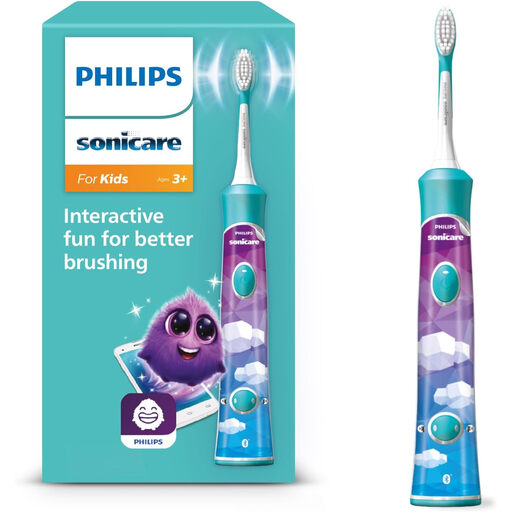
Why we chose it: Specially designed for children aged 3 and up, it turns the chore of brushing into a game. Perfect for building good habits effectively and tear-free.
It's not just a miniature version of an adult model. Its purpose is clear: to make brushing fun and educational. The interactive app is a real coach, not just a gimmick.
The connected app that motivates kids with rewards, the adaptive KidTimer, and stickers to customise the brush.
We have selected a full range of products that meet our criteria for quality, performance, and reliability.
The handle of a quality rechargeable toothbrush is built to last several years. It's often the battery (usually lithium-ion) that shows signs of wear first, typically after 3 to 5 years of heavy use. The lifespan will depend on your usage frequency and how well you manage the charging cycles.
There is no single best technology in absolute terms; it all depends on your preferences. Sonic technology is known to be gentler and is often recommended for sensitive gums, as it cleans effectively without being harsh. Oscillating-rotating technology provides a more mechanical "polishing" sensation that some users prefer.
Dentists and manufacturers agree: every three months. Or even sooner if the bristles of the brush head are visibly worn or frayed. A worn-out brush head loses its effectiveness and no longer cleans plaque properly. Good to know: many models include a reminder so you don't have to think about it.