
Livraison le jour même ou le lendemain

Qualité garantie

Débloquez vos offres de bienvenue: Livraison GRATUITE | Jusqu'à -80 % | 30 jours d'essai gratuits à JoyPlus
Téléchargez l'application
Assembling flat-pack furniture, repairing a small appliance, or putting up a shelf: simple tasks that can quickly turn into a nightmare with basic hand tools. Repetitive screwing and unscrewing is time-consuming, tiring, and often frustrating. Fortunately, a good electric screwdriver is a game-changer, delivering power, speed, and precision.
But with the jungle of available models, it's hard to know where to start. This guide is here to help you see things more clearly by breaking down the essential criteria and presenting our selection of the best value-for-money options, all without superfluous marketing jargon.
Before you dive in, here are a few key points to evaluate to make an informed choice.
Voltage (in Volts, V) and torque (in Newton-metres, N.m) are the two indicators that define the raw performance of your tool.
An electric screwdriver, no matter how good, is nothing without a quality set of screwdriver bits. A decent kit should, at a minimum, include the classics to prepare you for any eventuality:
The quality of the bits is just as crucial. Opt for robust materials like S2 steel or chrome vanadium: this is your guarantee of better durability and a tip that won't get damaged on the first difficult screw.
A tool that isn't a pleasure to use will stay at the bottom of the drawer. Comfort is therefore an essential criterion. An ergonomic handle, a well-balanced weight, and a compact design make all the difference, especially for reaching awkwardly placed screws. For a cordless screwdriver, take a look at the battery life (usually lithium-ion) and its charging time. Nothing is more frustrating than a dead battery in the middle of assembling furniture!
Our editorial team has scrutinised several models to bring you a selection that stands out for its excellent equipment-to-price ratio.
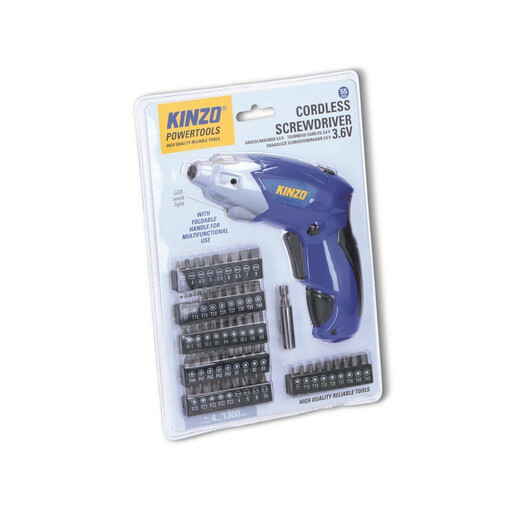
Why it stands out: Its key strength is its ultra-comprehensive bit set. With 54 pieces, it covers almost every need, including rarer security screws (Torx TR, Spanner). A true all-in-one solution that will save you from running out to buy individual bits.
Pros:
Who is it for? For the occasional DIYer or the flat-pack furniture enthusiast looking for a complete, ready-to-use solution. It's the perfect tool to be prepared for any situation without breaking the bank on extra bit sets.

Why it stands out: Note that this isn't an electric model, but an excellent manual set that focuses entirely on versatility and durability. It provides an ultra-solid foundation for any type of repair, thanks to quality materials and a well-thought-out design.
Pros:
Who is it for? For those who prefer the complete control of manual screwdriving, whether for mechanics, various repairs, or precision assembly. A long-lasting investment for anyone seeking a complete and reliable kit.
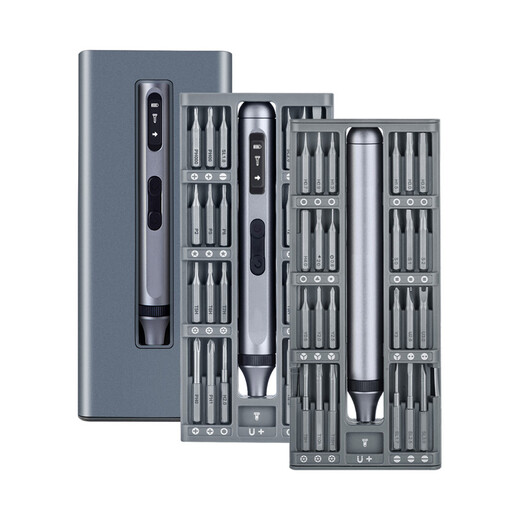
Why it stands out: This is a step up in class with a true precision screwdriver, designed for electronics and delicate tasks. It combines the finesse of a manual tool with the assistance of an electric motor, all housed in an elegant aluminium body.
Pros:
Who is it for? The tool of choice for technicians, tech enthusiasts, and "makers" who tackle projects requiring high precision and perfect control over tightening torque.
Our selection covers a variety of uses, from general DIY to advanced electronics repair. If you can't find what you're looking for or need a different type of tool, feel free to explore our full catalogue.
To discover a wider range of measuring and screwdriving tools, check out our testers category.
1. What power level is needed for a home electric screwdriver? For standard home use (assembling furniture, installing curtain rods, etc.), a 3.6?V or 4?V model is more than enough. It's the best balance of power, weight, and battery life.
2. Which screwdriver bits do I really need? A good kit should at least contain the essentials: flat, Phillips (PH), and Pozidriv (PZ) bits in various sizes. Torx (T) and hex (Allen) bits have also become standard, especially in furniture. For complete peace of mind, a set with about twenty assorted bits will cover 99% of your needs.
3. Can an electric screwdriver replace a drill driver? No, they are two distinct and complementary tools. The electric screwdriver is a specialist for screwing/unscrewing: it is lighter, more manageable, and offers better control to avoid damaging screws or surfaces. The drill driver, which is much more powerful, is essential for drilling holes and for heavy-duty driving into hard materials like wood or metal.