
Livraison le jour même ou le lendemain

Qualité garantie

Débloquez vos offres de bienvenue: Livraison GRATUITE | Jusqu'à -80 % | 30 jours d'essai gratuits à JoyPlus
Téléchargez l'application
An electric oven can handle everyday meals, batches of homemade cakes or high-temperature pizza cooking. However, a detailed specification sheet does not necessarily guarantee the right purchase. The stated capacity, cooking modes and cleaning system should be considered alongside your installation, habits and available space.
A large-capacity oven, from 71 to 78 litres, is suitable for family-sized dishes, but it generally requires a standard housing unit of around 60 cm and a suitable electrical supply. An appliance may offer a generous capacity while providing little flexibility if the cooking levels or accessories are limited.
For a built-in model, always check the housing dimensions specified by the manufacturer. They may vary slightly from one appliance to another. The Bosch HBA514BB3, for example, requires a housing unit approximately 58.5 to 59.5 cm high, 56 to 56.8 cm wide and 55 cm deep.
The terms pyrolytic oven, catalytic oven and hydrolysis oven refer to very different systems:
Ultimately, how often you clean the oven, the types of dishes you cook and your tolerance for cleaning matter more than the marketing name.
A multifunction oven may offer numerous settings: conventional heat, fan oven, grill, bottom heat, defrosting or pizza mode. Wi-Fi connectivity, automatic recipes and probes can be useful, but they cannot compensate for insufficient capacity, an unstable temperature or an unsuitable installation.
For one person or a small home, a 23 to 30-litre mini electric oven may be sufficient for reheating, browning or baking a tart. Models with a capacity of 45 to 60 litres are better suited to everyday meals and roasts. Above 70 litres, you have plenty of room for large dishes, poultry or several trays.
The number of levels also matters. Five positions allow you to adjust the distance between the dish and the heating element. However, simultaneous cooking on several levels should be confirmed in the product details, as it depends on the ventilation system and the manufacturer's recommendations.
Fan-assisted cooking distributes hot air using a fan, which can make it easier to cook several dishes at once. The grill is suitable for gratins and browning the surface, while bottom heat is useful for certain tarts and pizzas.
For specialist use, pay particular attention to the maximum temperature. H.Koenig or KitchenCook electric pizza ovens advertised as reaching 400, 430 or 450 °C are designed to cook pizzas quickly at very high temperatures. However, they do not necessarily replace a family oven for cakes, gratins and slow-cooked dishes.
The energy efficiency class and consumption per cycle provide a more useful point of comparison than electrical power alone. Some product details mention an A+ or A++ rating, along with consumption in fan mode. Always compare data for the same cooking mode.
A powerful built-in appliance may require 16 A protection and an earthed socket, depending on the model's specifications and the home's electrical installation. The connection must comply with the instructions and the applicable electrical regulations in France. For a countertop appliance, also allow for the recommended ventilation space around the casing.
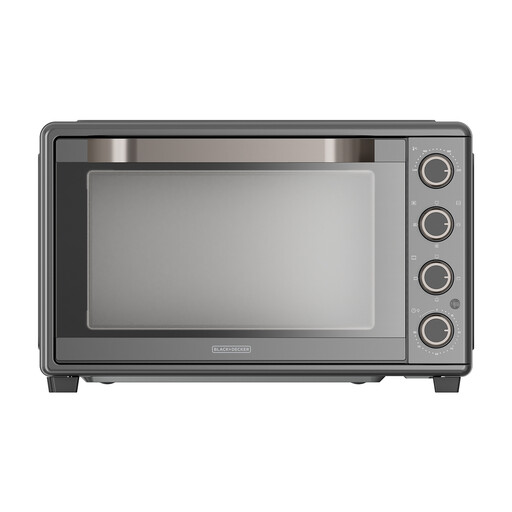
Why this choice suits this profile: With its 30 L capacity, adjustable temperature from 100 to 230 °C and countertop format, it is suitable for a flat or a kitchen without a built-in housing unit.
Its dimensions and capacity clearly distinguish it from a built-in oven. The 90-minute timer and removable crumb tray make everyday use easier.
30 L, 1,500 W, rotisserie, double glazing and outer walls advertised as staying cooler.
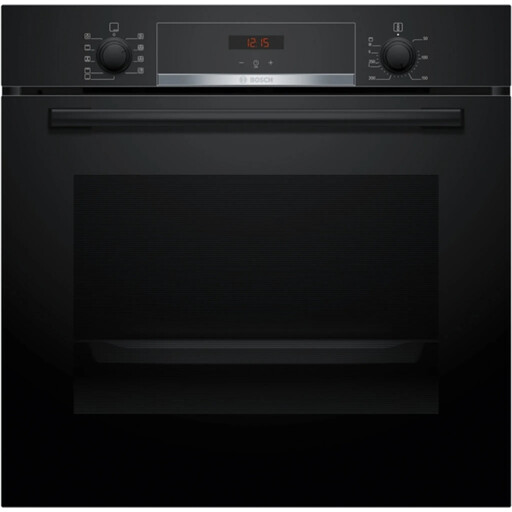
Why this choice suits this profile: This 71 L built-in oven is suitable for family meals, gratins and dishes that require several cooking levels.
The product details specify the housing dimensions, five levels and seven cooking modes. Hydrolysis cleaning is presented as an aid for light soiling, without promising completely hands-free maintenance.
71 L, 7 modes, rapid preheating, pizza mode, large-surface grill and A+ energy rating according to the product details.
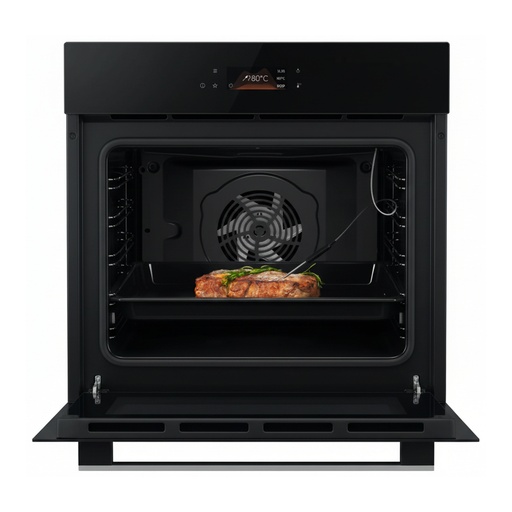
Why this choice suits this profile: With its 72 L cavity, assisted programmes and cooking probe, it is aimed at people who regularly prepare bread, roasts, pastries or elaborate dishes.
The pyrolytic function is described with three cycles lasting 60, 90 and 150 minutes. The probe measures the core temperature and the appliance has a safety lock.
72 L, advertised temperature range of 30 to 300 °C, integrated probe, 5 levels and 3 pyrolytic cycles.
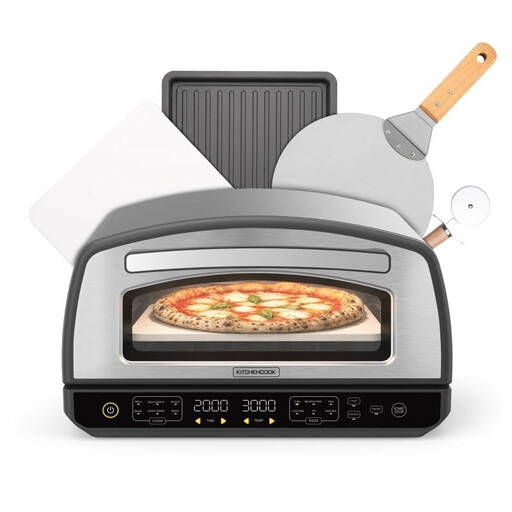
Why this choice suits this profile: This countertop electric pizza oven focuses on fast cooking at very high temperatures at home, without requiring a built-in installation.
The maximum temperature, compatible diameter and accessories are listed separately. Place it on a heat-resistant surface and observe the recommended clearances.
2,000 W, up to 450 °C, 12 programmes, 33 cm stone, peel and enamelled tray included.
We have put together an up-to-date selection of ovens suited to different needs, capacities and cooking methods.
A capacity of 60 to 72 litres is generally suitable for family meals, roasts and larger dishes. If you often cook several dishes at the same time, choose a model with fan-assisted cooking and several levels. A 23 to 30-litre mini electric oven is better suited to occasional or supplementary cooking.
The pyrolytic cycle heats the cavity to a very high temperature, so it results in a temporary increase in energy consumption. Its value depends on how often you use it and how much time you want to spend cleaning. For light soiling, a hydrolysis oven may be sufficient, while catalysis works gradually during certain cooking cycles.
Before carrying out any work, check the housing dimensions, power requirements, earthing and required electrical protection. If the connection or installation is beyond your abilities, use a qualified professional. You should also observe the ventilation clearances and the manufacturer's instructions to minimise the risk of overheating.