
Livraison le jour même ou le lendemain

Qualité garantie

Débloquez vos offres de bienvenue: Livraison GRATUITE | Jusqu'à -80 % | 30 jours d'essai gratuits à JoyPlus
Téléchargez l'application
Whether you're a weekend DIYer, a passionate model maker, or a maker looking to perfect your 3D prints, the electric multi-tool is an indispensable ally. Sanding, cutting, engraving, polishing, drilling… its versatility is its greatest strength. But be warned: the market is flooded with models making tempting promises that often prove disappointing in practice. To help you navigate the options, here are the pitfalls to avoid and the essential criteria to check before you buy.
Finding your way through the jungle of rotary tools can be a real headache. Too many buyers regret their choice, trapped by flaws that aren't obvious at first glance. Here are the most common pitfalls.
A huge number of accessories is often just a marketing ploy. The reality is less rosy: most of these kits are filled with poor-quality, redundant, or fragile parts that break on first use. What matters isn't the quantity, but the quality and relevance of the accessories for YOUR projects.
Nothing is more frustrating than an underpowered motor. A tool that struggles or stops dead at the slightest pressure on wood, metal, or even plastic makes cutting, grinding, or precision sanding simply impossible. The power, expressed in watts (W), is the number one indicator of the tool's ability to handle the load.
A heavy, poorly balanced tool that vibrates excessively quickly turns any precision job into a total nightmare. A poor grip and excessive vibrations lead to loss of control, fatigue, and sloppy finishes. This is an absolute deal-breaker for meticulous tasks like 3D print finishing or electric engraving.
To make the right choice, focus on these key technical specifications. They are the true guarantee of the performance and longevity of your future versatile DIY tool.
Power is the non-negotiable criterion. For versatile use that goes beyond simple polishing, aim for a power rating of at least 130?W. A 160?W rotary tool represents an excellent compromise, with enough torque to tackle demanding tasks like cutting thin metals or grinding, without ever stalling. It's the guarantee of a machine that won't let you down mid-project.
The ability to adjust the rotational speed (expressed in revolutions per minute, or RPM) is essential. Different materials react differently:
A model with at least 5 or 6 speed levels ensures you can adapt to any material and any task, from precision sanding to use as a die grinder.
Rather than the number, it's the composition of the multi-tool kit that you should scrutinize. A good starter kit should include:
For every need, there's a solution. Here are our recommendations, designed for different types of users.
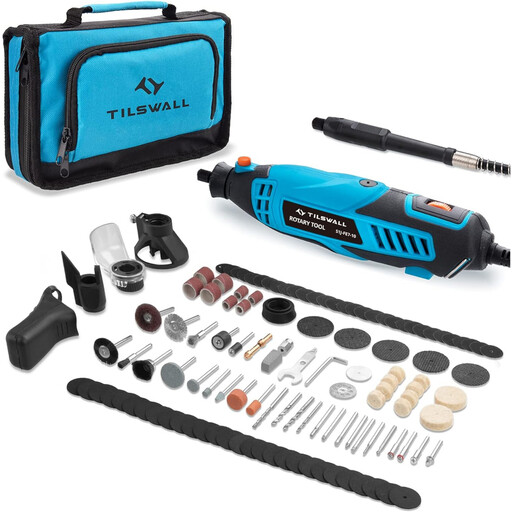
Who is it for? For those looking for a complete and powerful first kit without breaking the bank. Perfect for small repairs, model making, and finishing 3D prints.
With its 160 W motor, it sidesteps the anemic motor trap. The 145-piece accessory kit is well-thought-out and offers true versatility right out of the box, with no unnecessary gadgets.
An unbeatable power-to-price ratio. Its 6 variable speeds (8,000-33,000 RPM) and auxiliary handle ensure optimal control over a wide range of materials and applications.
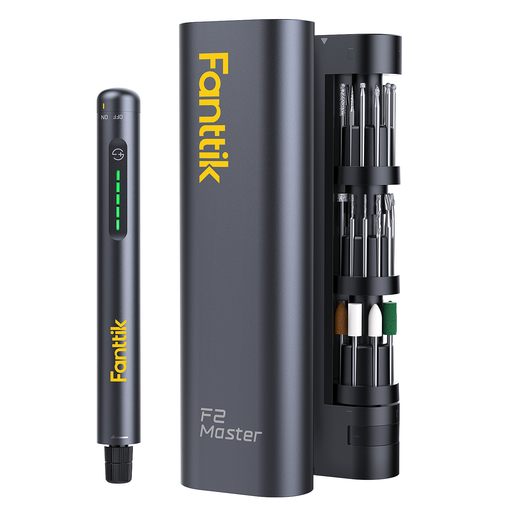
Who is it for? For creators, model makers, and artisans who demand finesse, portability, and a perfect grip for lengthy engraving or polishing jobs.
It avoids the trap of sacrificed ergonomics and vibrations. Its pen-style format (100g) and quiet motor are designed for comfort and precision. The magnetic storage for the 35 accessories is as clever as it is practical.
Ultra-portable and rechargeable via USB-C. Its compact design and smart storage make it the ultimate portable tool, always ready to go. The LED light is a real bonus for visibility.
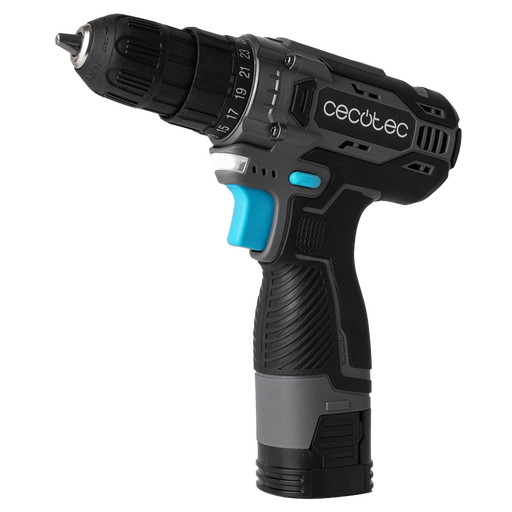
Who is it for? For those who spend their time assembling furniture, installing shelves, and need serious torque for drilling and driving screws. An excellent complement to a precision tool.
It avoids the "jack-of-all-trades, master of none" trap. By specializing in drilling and driving, it delivers the power (38 Nm of torque) that a rotary tool could never offer for this type of work.
Supplied with two 2.0 Ah batteries, it ensures continuous work. Its 25+1 torque settings allow for surgical adjustment on all materials, from the softest to the most resistant.
We have curated a complete selection of products for you that meet our demanding selection criteria and current safety standards.
For good versatility, aim for between 130 and 160?W. Below that, the tool will lack torque for grinding or cutting. Above that, it may be heavier and less manageable for precision work.
Absolutely! It's one of its flagship uses. With the right accessories (fine burrs, polishing felts, soft brushes) and an appropriate speed (usually low to avoid melting plastics like PLA or ABS), a multi-tool is incredibly effective for removing supports, smoothing layer lines, and polishing the surface of parts.
Regular maintenance is the secret to longevity. After each use, a quick brush or blast of compressed air on the ventilation grilles prevents the motor from overheating. Always store accessories in their case to avoid losing or damaging them. Also, remember to check the chuck's tightness and keep it free of dust.