
Livraison le jour même ou le lendemain

Qualité garantie

Débloquez vos offres de bienvenue: Livraison GRATUITE | Jusqu'à -80 % | 30 jours d'essai gratuits à JoyPlus
Téléchargez l'application
Back pain, stiff neck, heavy legs… Whether you spend your days glued to a desk or constantly on the move, muscle tension always catches up. Faced with these aches, the idea of an electric massager for at-home muscle pain relief is undeniably appealing. The problem? The market is flooded with products making tempting promises, and it's all too easy to make the wrong choice.
My role, as Head of Product Selection at Joybuy, is to do the legwork for you. Together, we'll break down the pitfalls to avoid and the criteria that truly matter to find the device that's right for you, whether it's for yourself or as a thoughtful relaxation gift.
An impulse buy can quickly lead to disappointment. Here are the three most common mistakes to avoid:
To make the right choice, set the marketing aside and focus on objective technical criteria. This is where a device's true value lies.
Each technology targets a specific need. The key is to choose the one that matches your tension.
A good heated massager must offer more than just faint warmth. There are two points you absolutely must check:
Design isn't just about aesthetics; it must be engineered for the area it's meant to treat. A neck and shoulder massager will have a "U" shape to conform to the neck. A device for the lower back should be flat enough to be used on a chair or in an armchair. For a massaging foot spa, consider the practical details: casters for effortless moving and a simple drainage system are essential.
To put theory into practice, here’s how these criteria apply to real products, each designed for a specific need.
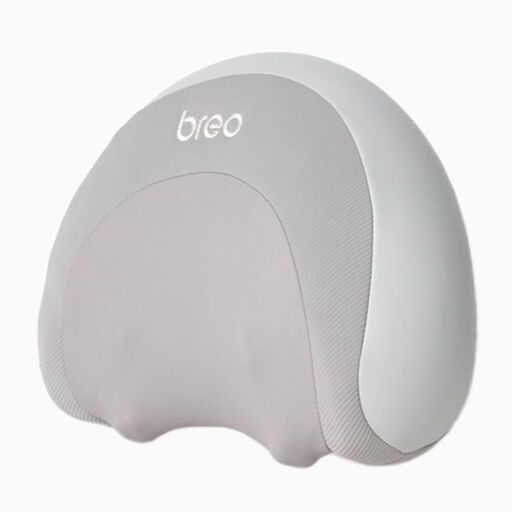
Why we chose it: Perfect for relieving the neck and lumbar stiffness that sets in after long hours at a desk. Its contoured shape is designed to perfectly hug the body's curves.
Unlike "all-in-one" devices, its ergonomic, wave-like design provides targeted support for the neck and back, preventing uneven pressure.
Offers 3 distinct modes (Relax, Powerful, Sleep) and 2 adjustable heat levels (40-45°C) for a customised experience.
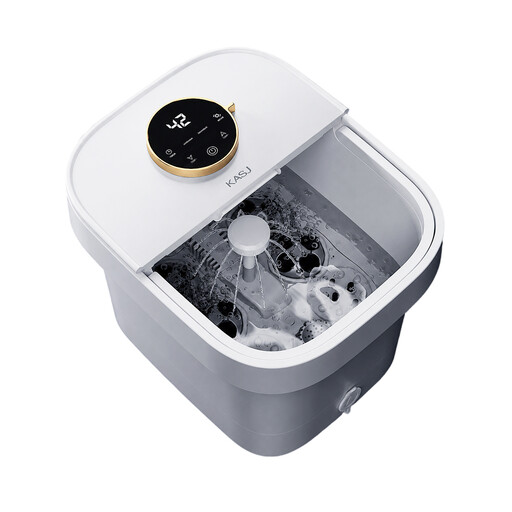
Why we chose it: Perfect for those who dream of recreating a spa session at home and soothing feet that are sore from a long day.
It avoids the "token heat" trap with an adjustable temperature (35-48°C) and a timer, giving you full control over the experience.
Combines 4 motorised rotating rollers for a shiatsu massage and features casters for effortless movement, even when filled with water.

Why we chose it: Designed for those who are always on their screens. It targets eye strain and the temples for a welcome moment of relaxation before sleep.
It avoids the poor ergonomics trap thanks to its feather-light weight (237g) and targeted micro-vibrations, which are far more pleasant than harsh, uncomfortable pressure.
Features 12 independent vibration motors, rapid 3-second heating, and Bluetooth connectivity to stream relaxing music.
Find our complete selection of products that meet our quality charter and current safety standards.
It all depends on the build quality and the motor. Prioritise models with robust components (zinc alloy, high-quality ABS) and a quiet motor, as these are signs of durability. Of course, following the usage guidelines (session duration, no excessive pressure) and maintaining the device (cleaning removable covers) are key to making it last for years.
Rest assured, they do not. Most of these devices are designed to be energy-efficient. Their power consumption is relatively low, and they operate in short sessions (15 to 20 minutes). The impact on your electricity bill will therefore be negligible, even with daily use.
It's best to start gradually. Begin with short sessions (10 to 15 minutes) to see how your body reacts. There's a reason most devices include an automatic shut-off. If you don't feel any discomfort, daily use is perfectly fine. However, in case of acute or persistent pain, the right move is to take a break and consult a healthcare professional.