
Livraison le jour même ou le lendemain

Qualité garantie

Débloquez vos offres de bienvenue: Livraison GRATUITE | Jusqu'à -80 % | 30 jours d'essai gratuits à JoyPlus
Téléchargez l'application
After a day at the office, a workout or a long journey, an electric massage device can offer a real moment of relaxation, without the need for an appointment or complicated setup. But with promises of deep-tissue massage, heating functions and a plethora of attachments, it's easy to end up with a model that doesn't suit your needs.
Here are the criteria to consider before buying, along with a selection of recommended products for different profiles.
A very powerful electric massager isn't necessarily pleasant to use. A high speed may suit certain muscle groups, but it can also feel too intense, especially during your first sessions. Multiple intensity levels allow you to progress more comfortably.
For home use, check the number of speeds, the rotation or vibration range, and whether you can start at a low intensity.
Heat can make the session more enjoyable, but you need to distinguish a genuinely adjustable heating function from a simple marketing promise. Look at the number of heat levels, whether there's an automatic shut-off, and the usage instructions.
A heated massage cushion or a back and neck massager should be placed on a suitable surface, without blocking the ventilation openings. Heat is not a medical treatment and does not replace the advice of a healthcare professional.
A portable massage device may seem practical on paper. But a limited battery, a handle that's awkward to hold, or a device that's too heavy quickly reduces its appeal. For travel, check the battery capacity, charging type, weight and dimensions.
A USB-C rechargeable model will generally be easier to use at the office, the gym or on the go than a device that requires a proprietary adapter.
Massage guns and vibrating massage balls use vibrations or percussions at different intensities. Models that come with several attachments allow you to adapt the contact to the target area:
For a full-body massage device, versatility can be a real plus. For a specific need, a simpler model will often be easier to handle.
A leg massage device doesn't have the same requirements as a back and neck massager. Rollers and cushions are designed for seated or lying-down use, while a massage gun needs to be guided by hand.
Carefully check the permitted areas in the instruction manual. Percussion devices should not be used on the head, face, neck, bony areas, wounds, bruises or varicose veins when these restrictions are stated in the manufacturer's guidelines.
A timer with automatic shut-off prevents you from leaving it on by accident, especially when a cushion is used in an armchair. The noise level, measured in decibels, is also worth paying attention to if you plan to use it at the office or while watching television.
Finally, choose surfaces that are easy to clean. An electrical device must not be immersed and must be unplugged before any maintenance, in line with its instruction manual.
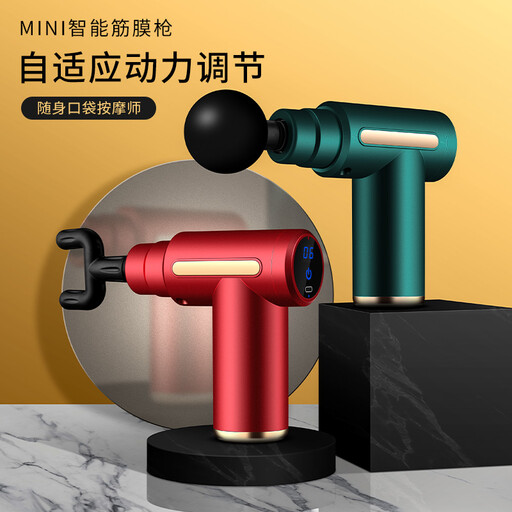
Why this choice suits this profile: Its compact size is ideal for first-time use and for those who want to slip an electric massager into their bag.
Its 6 levels prevent you from starting at full power straight away. USB-C charging also reduces reliance on a proprietary cable.
6 power levels, 4 massage heads, 1,200 mAh battery and USB-C charging.
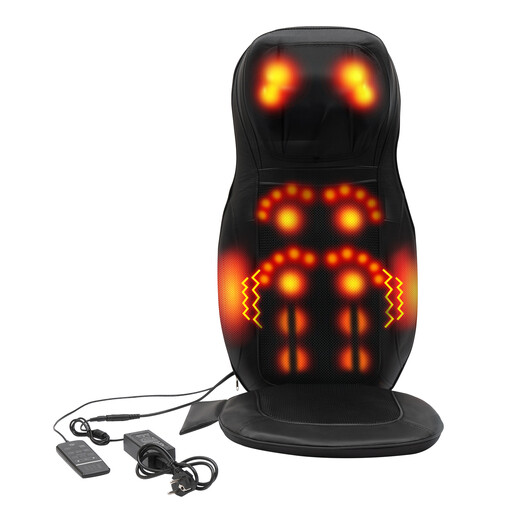
Why this choice suits this profile: This cushion is aimed at those looking for a more complete setup in an armchair or on a chair.
The 20-minute timer prevents sessions from running on accidentally, while the remote control lets you adjust settings without getting up.
8 massage heads, 3 modes, 3 vibration levels, infrared heating function and remote control.
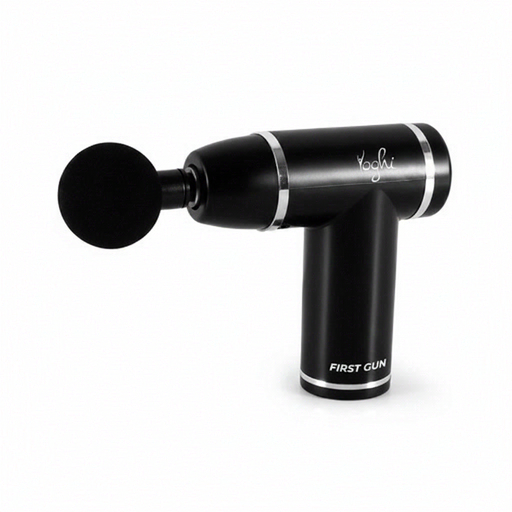
Why this choice suits this profile: Its many settings are ideal for athletes and users who regularly target different muscle groups.
The 8 speeds and 4 attachments prevent you from relying on just one level or one type of contact. The manual recommends starting gradually.
8 speeds, up to 3,300 RPM, 4 attachments, claimed battery life of up to 2 hours and a stated noise level of 50 dB maximum.
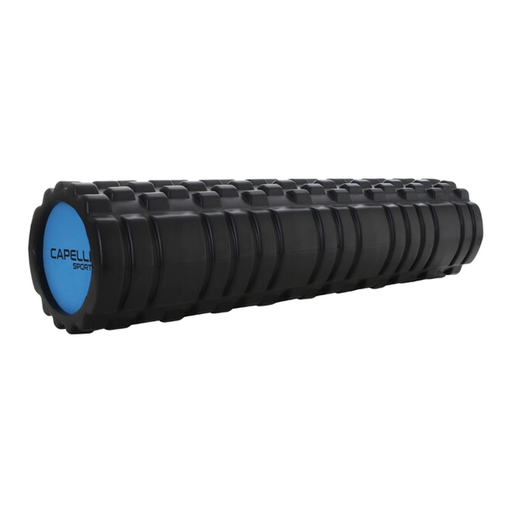
Why this choice suits this profile: This battery-free roller can be used at home, in the gym or outdoors, both before and after physical activity.
Its manual operation avoids the battery life, charging and overheating issues associated with electrical devices.
61 cm length, claimed high-density foam, carry bag and suitable for mobility exercises.
We've put together a comprehensive, real-time updated list of products that meet these demanding selection criteria and European safety regulations.
For your first session, start at the lowest level and move the device slowly, without applying excessive pressure. Avoid lingering too long on any one spot. For the WUHENXING massage gun, the manual states a limit of 15 minutes per muscle group.
Never use the device on a wound, irritated skin, a bruised area or a bony part of the body. Pregnant women, those with a pacemaker or anyone with a specific medical condition should seek advice from a healthcare professional before use. If you feel pain or discomfort, stop the session immediately.
The duration depends on the model and the instructions in its manual. When getting to know the device, a short session, built up gradually, is generally best. Avoid keeping the device on the same area for too long and respect the timer when available.
It can be used on certain muscle areas of the back, but the neck, head and spine require great caution. Some models come with a forked (U-shaped) attachment, but that doesn't mean it can be used directly on the vertebrae. Always check the manufacturer's recommendations.
Power consumption is generally low for a rechargeable device. The cost mainly depends on the battery capacity, how often you use it and the price of electricity. A USB-C model also allows you to use a charger you already have at home, the office or in the car.