
Livraison le jour même ou le lendemain

Qualité garantie

Débloquez vos offres de bienvenue: Livraison GRATUITE | Jusqu'à -80 % | 30 jours d'essai gratuits à JoyPlus
Téléchargez l'application
After a day spent on your feet, a workout or several hours sitting down, an electric massage device can bring a little comfort to your home. But you need to choose the model that suits your needs. A foot massager won't replace a vibrating ball for your muscles, while a cupping device requires more caution.
To avoid a disappointing purchase, here are the criteria to consider, the pitfalls to avoid and a selection of products for different uses.
A high speed or a massage described as "deep" doesn't guarantee a better experience. Vibration that's too intense can quickly become unpleasant, especially on sensitive areas. Choose a device with several adjustable levels, so you can start gently and adapt the session to the area being massaged.
A foot massage device usually has a wraparound design with rotating heads or a compression system. It won't be much use on your arms or thighs. Conversely, a vibrating massage ball is more versatile, but you have to position it manually.
Before ordering, identify your priority: feet and arches, legs, arms, back or deep muscle massage. This stops you paying for features you'll rarely use.
Heat, red light, cupping or EMS stimulation can appear on a spec sheet without guaranteeing a specific result for every user. It's better to check the concrete details: operating time, intensity levels, power supply, dimensions, maintenance and contraindications.
The heating function should also be used with caution if your temperature sensitivity is reduced. Cupping devices can leave temporary marks and aren't suitable for all skin types or situations.
For regular use, look for at least two or three intensity levels. A timer or clearly stated session duration also helps you keep usage sensible. Some devices recommend limiting massage on one area to 15 minutes, while foot models may require a break between uses.
For a vibrating massage ball, five levels offer a good progression. The WUHENXING model shown below offers intensities from around 1,500 to 2,500 rpm, according to the available information, along with a 1,500 mAh battery.
A compact device is easier to store and carry. A mains-powered model can be bulkier, but it saves you having to monitor the battery life. For a portable massage device, check the charging type, the stated battery life and whether you can use it without a cable.
Weight also matters: a floor-standing device needs to stay stable, while a hand-held massager should be manoeuvrable enough to reach your legs or arms.
For devices that come into direct contact with your skin, choose surfaces that are easy to clean. A removable, washable liner is a real advantage for a foot massage device.
On the safety side, read the manual and check for the relevant regulatory information, particularly the CE marking where required, the manufacturer's or importer's contact details, usage conditions and warnings. Do not use a device on an open wound, inflamed area, bruise or irritated skin. If you are pregnant, have a pacemaker, a circulatory condition, deep vein thrombosis, have had recent surgery or have any known medical condition, consult a healthcare professional before use.
The following models suit different uses. The features are presented based on the information available on each product page; they do not constitute a medical promise.
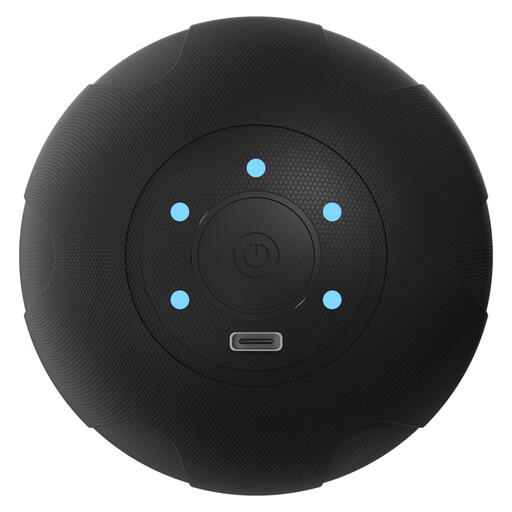
Why this choice suits this profile: Its portable format is ideal for discovering vibration massage on your arms, thighs or certain muscle groups, without installing a bulky device.
Its five intensities let you start at the lowest level, rather than being stuck with a single, overly strong vibration.
1,500 mAh battery, five vibration levels and simple handling. According to the product page, use is limited to 15 minutes per muscle group.
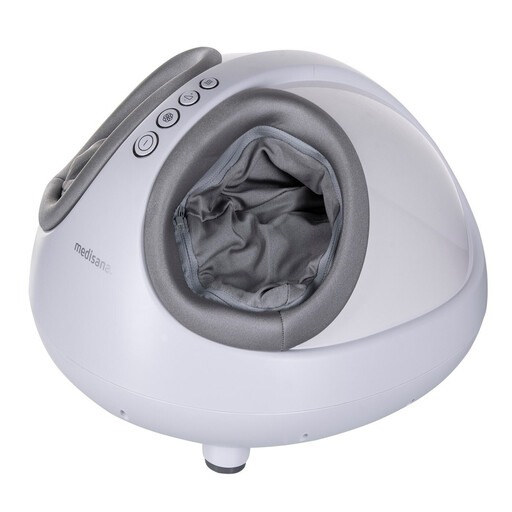
Why this choice suits this profile: This mains-powered electric model is aimed at people who want a dedicated foot device after a day at work or travelling.
The stated foot size goes up to 46 and the removable liner makes maintenance easy, something often overlooked at the time of purchase.
Shiatsu massage for the soles and heels, compression on the top of the feet, two speeds, heat and red light that can be activated separately.
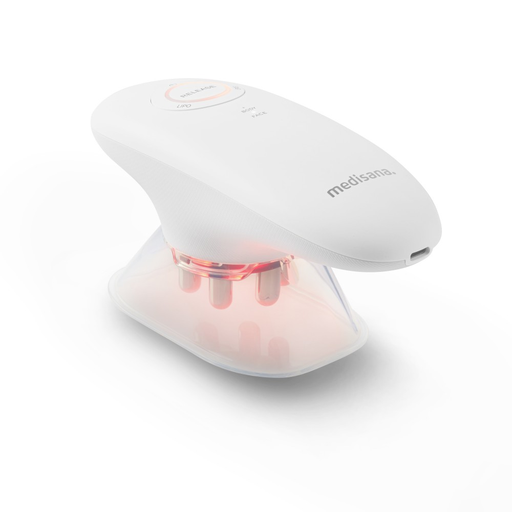
Why this choice suits this profile: Its rechargeable format suits users who want several targeted functions in a device that's easy to move around.
The suction and EMS levels are adjustable. However, sessions on the same area should be limited to 15 minutes.
Three suction levels, six EMS stimulation levels, red light stated at 630 ± 5 nm, 1,400 mAh battery and USB-C charging.
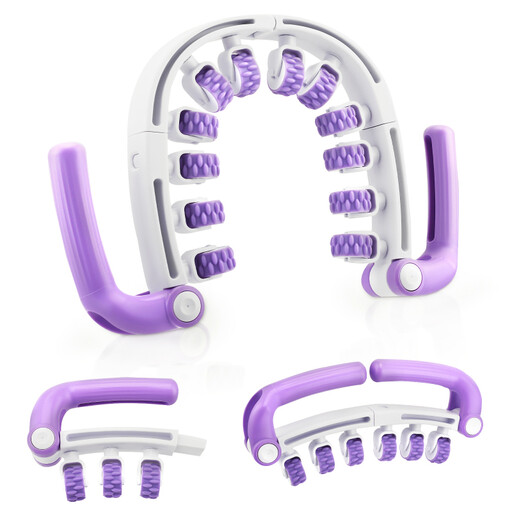
Why this choice suits this profile: Its roller design is described as suitable for legs, thighs, glutes and arms, with manual use depending on the area being targeted.
It targets several parts of the body, rather than limiting your purchase to a device designed for just one area.
Rollers stated as 360° and can be used on legs, thighs, glutes and arms. Consult the manual for usage limits.
We've put together a comprehensive, real-time updated list of products that fully meet these strict selection criteria and European safety regulations.
The duration depends on the model and the area being targeted. A session of 10 to 15 minutes is a common limit for one muscle group or specific area, but the manufacturer's manual remains the reference. Stop immediately if you feel pain, irritation or unusual discomfort.
A mains-powered foot massage device uses electricity while it's running, but the cost depends on its wattage and the price per kilowatt-hour. To estimate it, multiply the power in kilowatts by the number of hours of use, then by your rate per kilowatt-hour. Battery-powered devices avoid leaving a cable plugged in, but they need regular recharging.
No, some situations require prior advice. EMS stimulators and cupping devices are particularly not recommended if you have a pacemaker or any implanted electronic device. Varicose veins, circulatory disorders, pregnancy, thrombosis, recent surgery or skin lesions also warrant a check with a healthcare professional before purchase and use.