
Livraison le jour même ou le lendemain

Qualité garantie

Débloquez vos offres de bienvenue: Livraison GRATUITE | Jusqu'à -80 % | 30 jours d'essai gratuits à JoyPlus
Téléchargez l'application
An electric kettle might seem easy to choose. Yet high power, a large capacity or a nice finish aren't enough to guarantee a practical appliance for everyday use. To avoid a purchase that doesn't fit, it's best to start by working out the volume you actually need, then check the safety features and maintenance requirements specified by the manufacturer.
A fast 2200 W kettle generally heats up quickly, but the time also depends on the amount of water. Boiling 1.7 L inevitably takes longer and uses more energy than heating the equivalent of a single cup. Some manufacturers quote a heating time calculated for a small amount of water – so you can't simply apply that to the maximum capacity.
To avoid using more energy than necessary, choose a model with a clearly readable water level indicator and only heat the amount you need.
A 1.5 L electric kettle is usually suitable for a couple, a small family or an office. A 1.7 L electric kettle lets you prepare several cups at once, but it takes up more space and becomes heavier when full.
On the other hand, a compact 1 L model will be easier to handle for a student, someone living alone or in a kitchenette. The stated capacity refers to the maximum level: always respect the minimum and maximum markers each time you use it.
In the UK, water hardness can vary significantly from one area to another. Limescale slows down heating, can affect the taste of the water and makes cleaning more of a chore. An anti-limescale kettle fitted with a removable filter simplifies maintenance, but it doesn't mean you can skip regular descaling.
A simple stainless steel outer wall can become very hot. A double wall or an insulated handle reduces the risk of contact with hot surfaces, but doesn't eliminate the danger from boiling water and steam.
High power isn't essential in every case. It can be worthwhile if you regularly prepare several drinks, but the amount of water you heat remains the main factor to watch.
A stainless steel kettle stands up well to daily use and has a sleek look. However, its interior needs regular cleaning, especially if your water is very hard.
A glass kettle, usually made from borosilicate glass, makes it easy to see the water level and when it's boiling. On the downside, it can stay hot for several minutes after use and needs a bit of care when handling.
Plastic used on the outside helps keep the appliance lighter, while a double-wall design limits heat transfer. Check the information about parts that come into contact with water, particularly the BPA-free label if the manufacturer states it.
A kettle with temperature control lets you select several levels, for example depending on the type of tea or coffee you're making. However, this feature is only useful if the controls are clear and easy to use.
A kettle with a keep-warm function holds the selected temperature for a set period. Read the specification carefully: on some models, this can last 60 minutes or more.
Features to look for include:
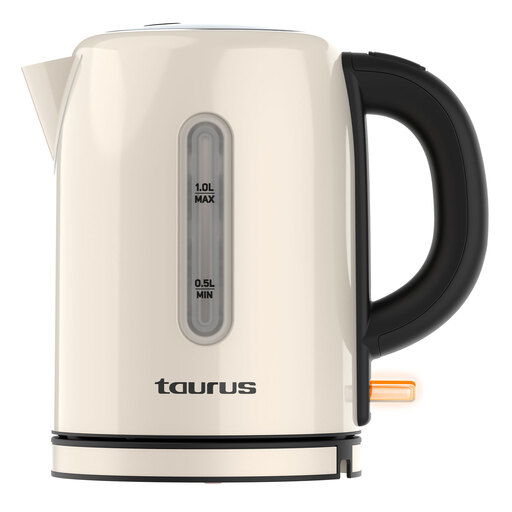
Why this choice suits this profile: Its 1 L size is ideal for one person, a student or a small workspace. The swivel base lets you pick up and put down the kettle from almost any angle.
The visible water level indicator helps you avoid overfilling. The removable, washable filter also makes limescale management easier.
Stated power of 2400 W, automatic shut-off, protection against running dry and an insulated handle.
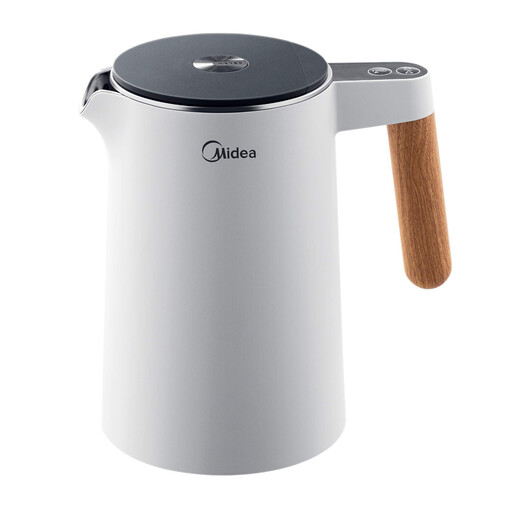
Why this choice suits this profile: This model is aimed at tea and coffee lovers who want to adjust the temperature without cluttering the worktop with multiple appliances.
The selectable temperatures, from 45 to 100 °C, mean you don't have to bring all the water to a boil every time.
Power of 2200 W, digital display, double wall, seven temperature levels and a keep-warm function stated to last one hour.
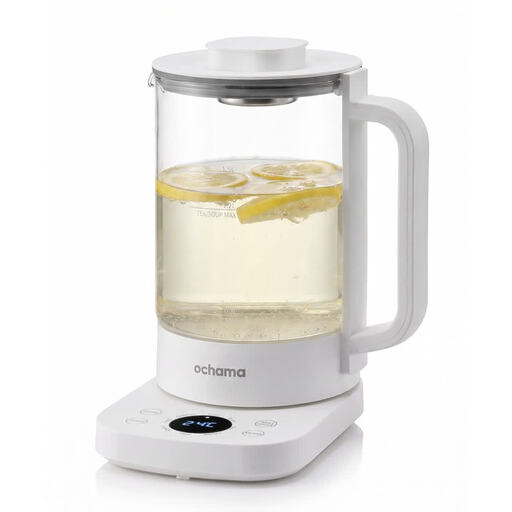
Why this choice suits this profile: Its dedicated programmes are ideal for households that regularly prepare tea, hot drinks, soups or recipes at different temperatures.
The 11 keep-warm levels and 24-hour timer let you programme the appliance rather than leaving it to heat without control.
Capacity of 1.5 L, eight stated functions, adjustable heating power up to 1000 W and protection against running dry.
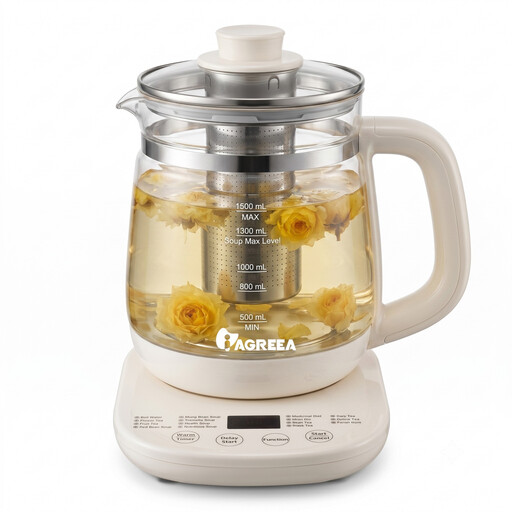
Why this choice suits this profile: The transparent glass and stainless steel infuser are well suited to making tea and infusions, while letting you see what's inside.
The wide opening and removable parts make it easy to remove infusion residue and limescale.
Borosilicate glass, 14 programmes, six temperature settings from 40 to 90 °C, keep-warm function and stated power of 800 W.
We've put together a full selection, updated in real time, of products that meet these selection criteria and European safety requirements.
To keep the heating consistent, empty any leftover water after each use if the instructions recommend it. Rinse the removable filter and descale the appliance with a product compatible with the manufacturer's guidelines. White vinegar isn't necessarily suitable for all materials or all sensors: check the manual before using it.
Never immerse the base, cable or plug in water. Place the kettle on a stable surface, away from the edge of the worktop, and never exceed the maximum marker. Steam and the outer surface of the appliance can cause burns, even after automatic shut-off.
A capacity of 1.5 to 1.7 L is generally enough to prepare several cups. If you only heat one or two portions at a time, a 1 L model will take up less space and avoid heating unnecessary water.
It can stop you from always bringing the water to a full boil. However, energy use depends mainly on the volume heated, the temperature selected and how often you use it. The keep-warm function can also use electricity for as long as it's active.
It depends on build quality, how often you use it, the hardness of your water and how well you maintain it. Regular descaling, respecting the minimum and maximum levels, and using the appliance as the manual instructs all help to extend its lifespan.