
Livraison le jour même ou le lendemain

Qualité garantie

Débloquez vos offres de bienvenue: Livraison GRATUITE | Jusqu'à -80 % | 30 jours d'essai gratuits à JoyPlus
Téléchargez l'application
Buying an electric kettle? On the surface, nothing seems simpler. Yet, between marketing promises and a jungle of models, the pitfalls are numerous and can quickly turn a good deal into a disappointment. A device that leaks after a few months, water that tastes like plastic, or an electricity bill that skyrockets for no reason: these problems are far from inevitable.
My role, as Head of Product Recommendations at Joybuy, is to help you see more clearly. Let's forget the technical jargon and focus on the essentials to make an informed choice that's truly suited to your daily life and your budget.
The market is saturated with options, and it's easy to be swayed by marketing claims that don't always deliver. Here are the main traps to avoid.
You don't need to be an expert to make the right choice. Just focus on a few key features that guarantee the performance and durability of your future kettle.
Capacity is logically the first criterion to consider.
Power, expressed in watts (W), directly affects the heating time. A power rating between 1800 and 2200W offers an excellent compromise for rapid boiling without causing a surge in energy consumption.
The material of the kettle's interior is crucial, both for the purity of the taste and for the appliance's lifespan.
Beyond simply boiling water, certain options can truly enhance your daily experience.
Rather than an endless list, we have selected a few models that meet specific needs while adhering to our quality and safety criteria.
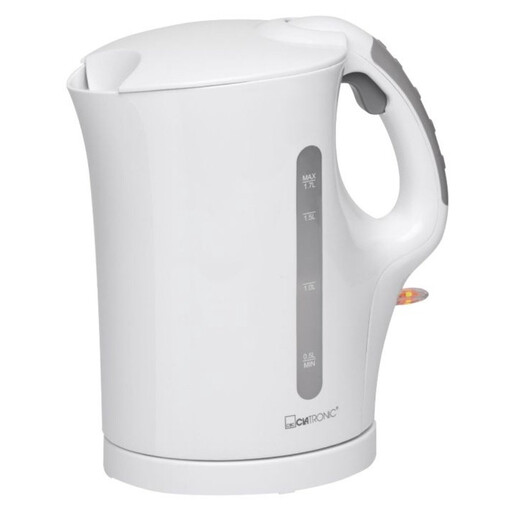
Why we chose it: Ideal for families or intensive daily use, this model gets straight to the point. Its large 1.7 L capacity and 2200W power ensure fast heating for breakfast or meal prep, without any superfluous features.
It focuses on the fundamentals: high power for genuine speed and essential safety features like automatic shut-off and overheat protection. No marketing fluff, just efficiency.
Its excellent balance of capacity, power, and safety. The removable anti-scale filter and cordless design with a 360° base make it incredibly practical for daily use.
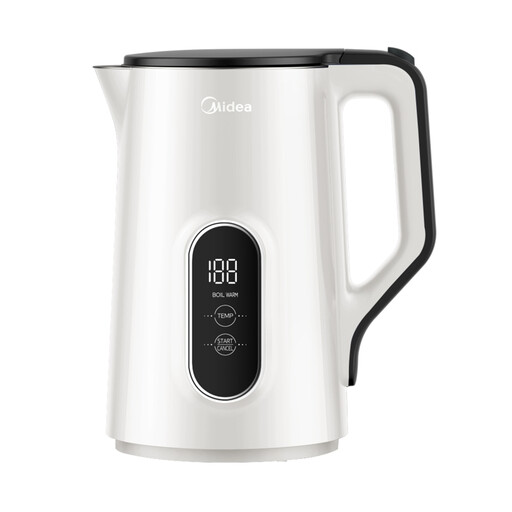
Why we chose it: For those who take their tea or coffee preparation very seriously. Its variable temperature function (from 45 °C to 100 °C) allows you to extract the best from every beverage. The keep-warm function is a real bonus.
It justifies its price with genuinely useful features, not marketing hype. The 304 stainless steel interior and BPA-free design eliminate the risk of low-grade materials. Its double-wall construction protects against burns, a safety feature that is too often overlooked.
Precise temperature control with 7 presets. The anti-scald double wall and real-time digital temperature display are true marks of comfort and safety.
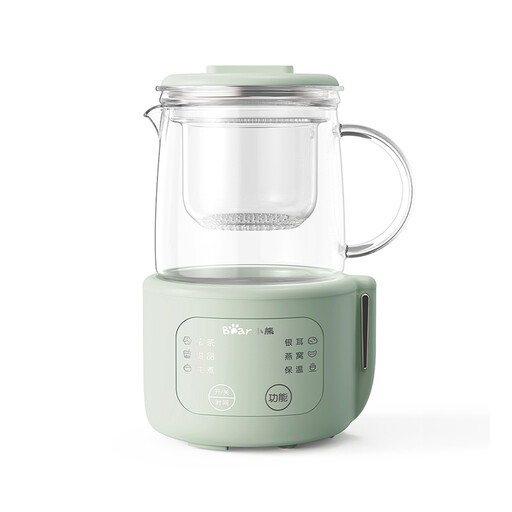
Why we chose it: This is the perfect solution for solo use. With its 400ml capacity, this small kettle is ideal for an office, a student dorm, or even for travel. It's much more than a simple kettle, with functions dedicated to different recipes.
It doesn't try to compete with family-sized kettles on their own turf. Its strength lies in its compactness and versatility for one person. The borosilicate glass body ensures a pure taste and avoids the trap of poor-quality plastic.
Extremely compact and lightweight. Its 6 preset functions and integrated filter make it ultra-versatile for preparing teas, infusions, and other hot drinks directly in the cup.
We have put together a complete and up-to-date selection of products that meet our demanding selection criteria and European safety standards.
The lifespan of an electric kettle is typically between 3 and 5 years. It heavily depends on the frequency of use, the quality of the materials, and the hardness of your water (limescale is its number one enemy!). Regular descaling is the best way to extend its life and maintain its performance.
For simple and economical descaling, fill the kettle with a 50/50 mixture of water and white vinegar. Let it sit for an hour (without heating), then empty, rinse thoroughly, and boil one last time with clean water to remove any residual odour. Commercial descaling products are, of course, also very effective.
Yes, a borosilicate glass kettle is an excellent choice. This material is perfectly neutral and does not alter the taste of the water in any way. It allows you to see the water boiling and keep an eye on limescale build-up, which encourages more regular cleaning. Its only drawback is its relative fragility against impacts, which requires a bit more care than a stainless steel model.